Plastic Cutting Circular Knife: Precision Blades for Industrial Plastic Processing and Manufacturing

All Categories

Get a Free Quote

Our representative will contact you soon.
Email
WhatsApp
Name
Company Name
Message
0/1000

plastic cutting circular knife

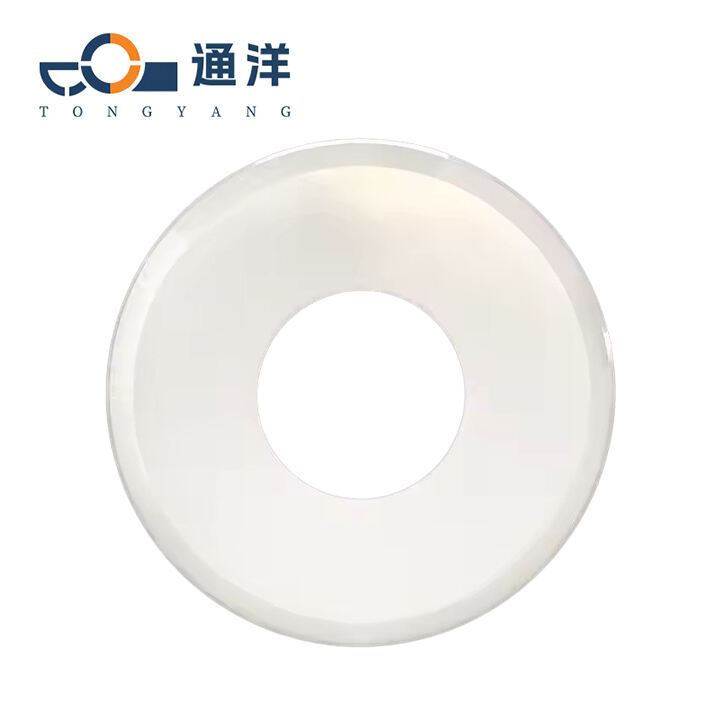
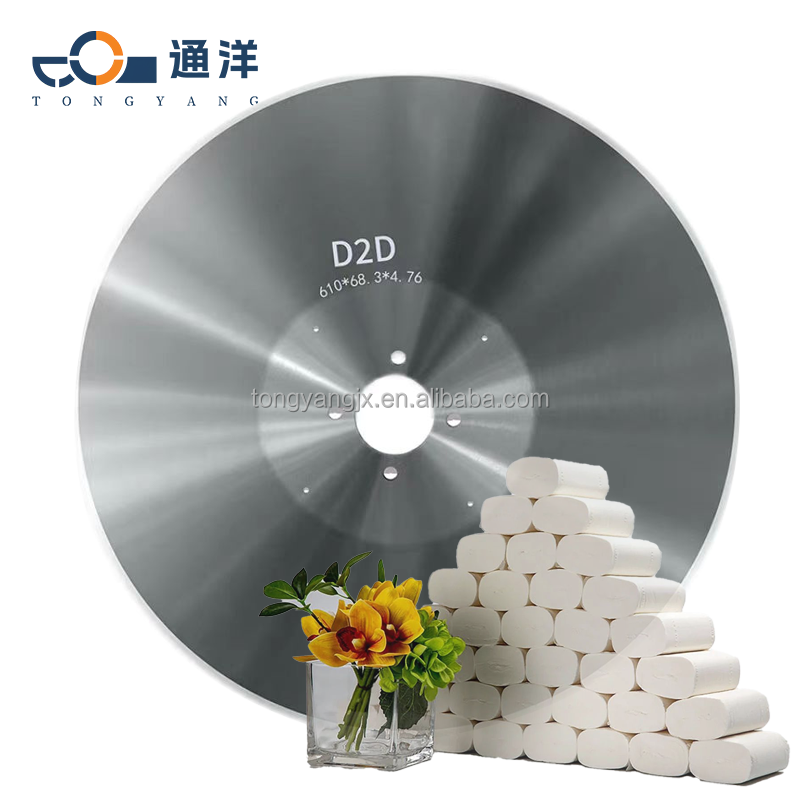
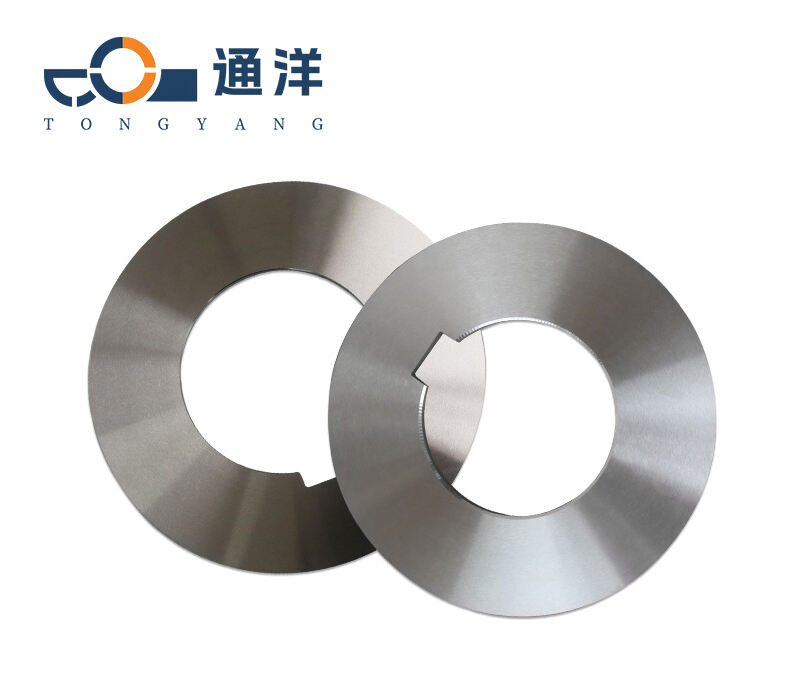
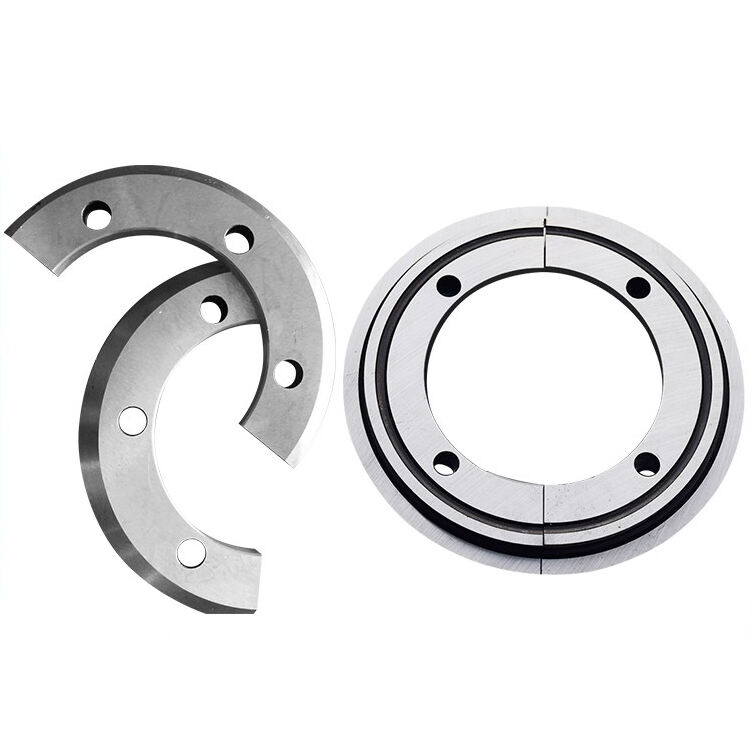
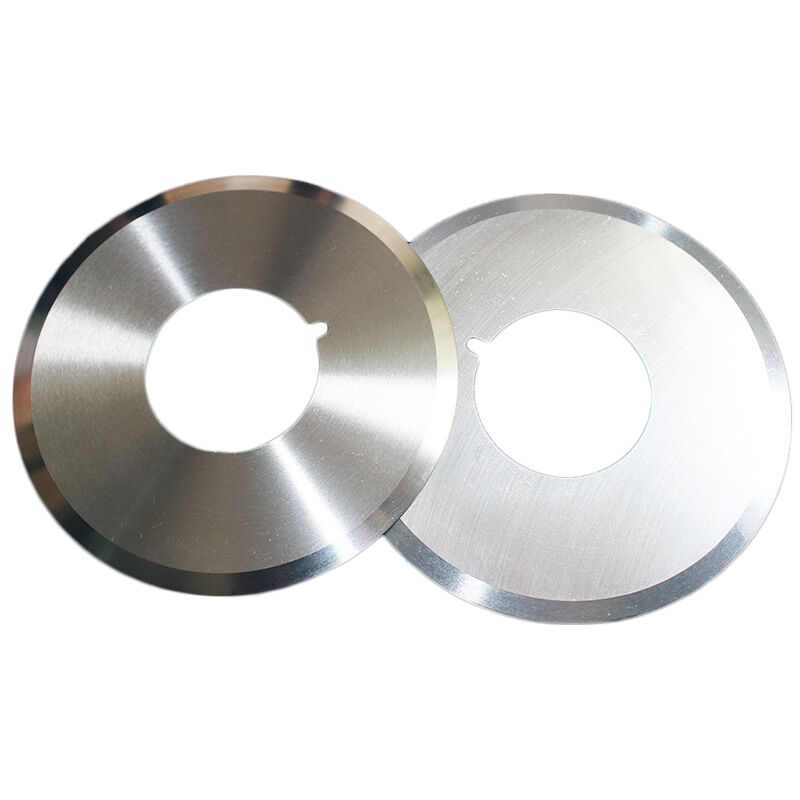
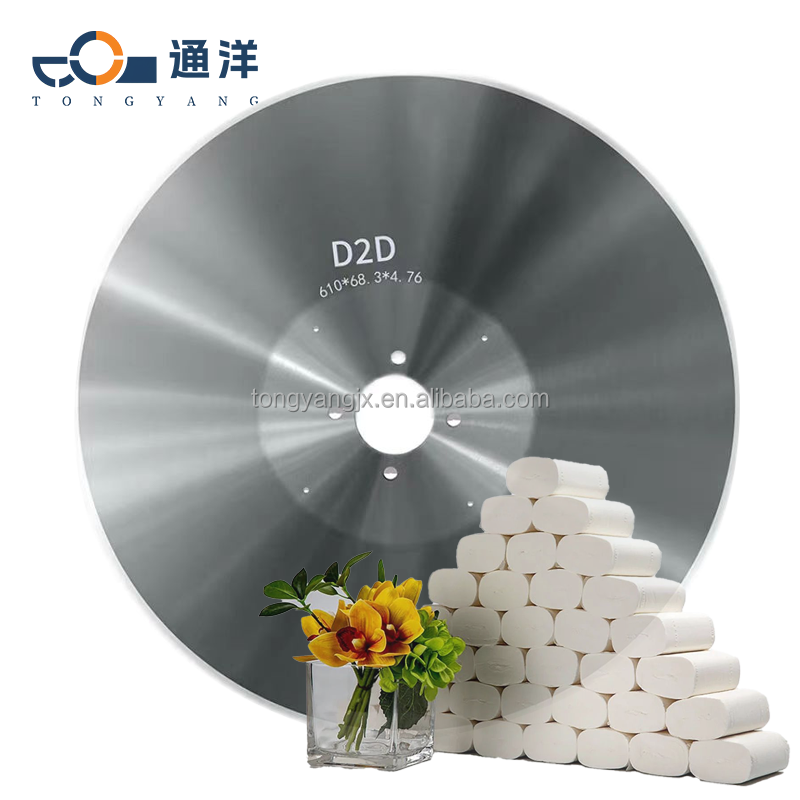
The plastic cutting circular knife represents a specialized industrial blade designed specifically for precision cutting operations in plastic manufacturing and processing environments. This essential tool features a circular design with razor-sharp edges manufactured from premium-grade steel alloys, ensuring consistent performance across diverse plastic materials. The primary function of a plastic cutting circular knife involves slicing through various thermoplastic and polymer sheets, films, tubes, and profiles with exceptional accuracy and minimal material waste. These rotary blades operate within industrial cutting machines, converting continuous plastic materials into precise dimensions required for downstream manufacturing processes. The technological features of these circular knives include advanced metallurgical compositions that maintain edge sharpness over extended production runs, reducing downtime for blade replacements. Manufacturers engineer these blades with specific geometry parameters, including diameter, thickness, bore size, and edge angles, all calibrated to optimize cutting performance for particular plastic types. The heat treatment processes applied during production enhance the blade's hardness and wear resistance, enabling it to withstand the friction and heat generated during high-speed cutting operations. Applications for the plastic cutting circular knife span numerous industries, including packaging, automotive components, construction materials, medical devices, and consumer products. In packaging operations, these blades slice through polyethylene, polypropylene, and PET films with clean edges that prevent material fraying. Automotive manufacturers utilize these cutting tools for trimming interior components and weatherstripping materials. The construction sector employs plastic cutting circular knives for processing vinyl siding, PVC pipes, and insulation materials. Medical device production requires ultra-precise cuts in sterile plastic components, where blade consistency directly impacts product quality. The versatility of the plastic cutting circular knife makes it indispensable for operations demanding reliable, repeatable cutting results across varying production volumes and material specifications.

New Product Recommendations

Choosing a plastic cutting circular knife delivers substantial operational benefits that directly impact manufacturing efficiency and product quality. First, these specialized blades produce exceptionally clean cuts with smooth edges, eliminating the need for secondary finishing operations that consume additional time and resources. The precision cutting capability reduces material waste significantly, as the blade creates minimal kerf width and prevents tearing or deformation of plastic materials during the cutting process. This waste reduction translates directly into cost savings, particularly valuable when processing expensive specialty plastics or operating high-volume production lines. The durability of a properly manufactured plastic cutting circular knife extends blade life considerably compared to standard cutting tools. Advanced steel compositions and heat treatment protocols enable these blades to maintain sharp cutting edges through thousands of linear cutting meters, reducing replacement frequency and associated maintenance costs. Extended blade life also minimizes production interruptions, allowing manufacturers to maintain consistent output schedules without unexpected downtime for blade changes. The circular design facilitates continuous cutting motion, enabling faster processing speeds than reciprocating blade systems. This speed advantage becomes particularly significant in automated production environments where throughput directly affects profitability. Operators appreciate the ease of installation and adjustment that circular knives offer, as most systems allow quick blade changes without complex tools or extensive technical knowledge. The consistent cutting performance ensures uniform product dimensions across entire production runs, reducing quality control rejections and maintaining customer satisfaction with reliable product specifications. Temperature control represents another advantage, as the rotary motion and proper blade geometry minimize friction-induced heat that could melt or distort sensitive plastic materials. Many plastic cutting circular knives feature specialized coatings that further reduce friction and prevent material adhesion to the blade surface, maintaining cutting quality throughout extended production periods. The versatility to process different plastic types with appropriate blade selection provides manufacturers flexibility to adapt to changing product requirements without investing in entirely new cutting systems. Economic benefits extend beyond direct cost savings to include improved worker safety, as properly guarded circular blade systems reduce operator exposure to cutting hazards compared to manual cutting methods. The reduced physical effort required when using powered circular knife systems decreases operator fatigue, improving workplace comfort and productivity. Environmental advantages emerge through reduced scrap generation and lower energy consumption compared to alternative cutting technologies like laser or waterjet systems for many plastic applications.

Practical Tips

5 Best Metal Cutting Blade Options for DIY Projects

25

Mar

5 Best Metal Cutting Blade Options for DIY Projects

Choosing the right metal cutting blade can make the difference between a successful DIY project and a frustrating experience filled with poor cuts and damaged materials. Whether you're working on home renovations, crafting custom metalwork, or tackli...
View More
Can a Circular Blade Cut Metal? A Look at Hardened Metal Cutting Blades

25

Mar

Can a Circular Blade Cut Metal? A Look at Hardened Metal Cutting Blades

The ability to cut through metal efficiently and precisely has always been a cornerstone of modern manufacturing and fabrication industries. When professionals need to slice through various metal materials, the choice of cutting tool can make the dif...
View More
Industrial Corrugated Cardboard Cutting Blade Selection Tips

25

Mar

Industrial Corrugated Cardboard Cutting Blade Selection Tips

Selecting the right cutting blade for corrugated cardboard processing operations represents a critical decision that directly impacts production efficiency, product quality, and operational costs. Industrial facilities handling large volumes of corru...
View More
Common Slitter Blades Problems and Solutions

30

Mar

Common Slitter Blades Problems and Solutions

Manufacturing operations that rely on slitter blades face a variety of challenges that can significantly impact production efficiency, material quality, and operational costs. Understanding the most common problems associated with slitter blades and ...
View More

Get a Free Quote

Our representative will contact you soon.
Email
WhatsApp
Name
Company Name
Message
0/1000

plastic cutting circular knife

Superior Edge Retention Technology for Extended Production Runs

Superior Edge Retention Technology for Extended Production Runs

The plastic cutting circular knife incorporates advanced metallurgical engineering that fundamentally transforms blade performance in demanding industrial environments. Manufacturers produce these specialized blades using carefully selected steel alloys containing precise ratios of carbon, chromium, and other elements that optimize hardness, toughness, and wear resistance simultaneously. The heat treatment process subjects the blade to controlled heating and cooling cycles that restructure the steel's molecular composition, creating a microstructure that resists edge degradation even under continuous cutting stress. This superior edge retention technology means production facilities can operate for significantly longer periods between blade replacements, reducing both direct replacement costs and indirect expenses associated with production interruptions. When a plastic cutting circular knife maintains its sharpness consistently, it delivers identical cutting quality from the first cut to the final cut before requiring replacement, ensuring product uniformity that quality control systems demand. The economic impact of extended edge retention becomes particularly significant in high-volume manufacturing operations where blade replacement downtime directly affects output targets and delivery schedules. Additionally, longer blade life reduces the inventory burden of maintaining extensive spare blade stocks, freeing capital for other operational needs. The environmental benefits of durable blades include reduced waste generation from discarded cutting tools and decreased resource consumption associated with manufacturing replacement blades. Operators benefit from predictable blade performance that eliminates unexpected quality issues mid-production, allowing confident scheduling of maintenance activities during planned downtime rather than reactive emergency replacements. The consistent cutting force required throughout the blade's service life also reduces stress on cutting machinery components, potentially extending equipment lifespan and reducing maintenance requirements for drive systems and bearings. For manufacturers processing abrasive-filled plastics or materials with additives that accelerate blade wear, the advanced edge retention technology of specialized plastic cutting circular knives becomes even more valuable, as conventional blades might require replacement multiple times daily in such demanding applications. The precision grinding processes used to create the cutting edge ensure micro-level smoothness that minimizes friction during cutting, further contributing to both edge longevity and cut quality.
Precision Geometry Optimization for Clean, Accurate Cuts

Precision Geometry Optimization for Clean, Accurate Cuts

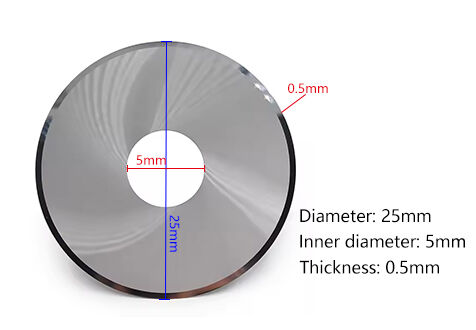
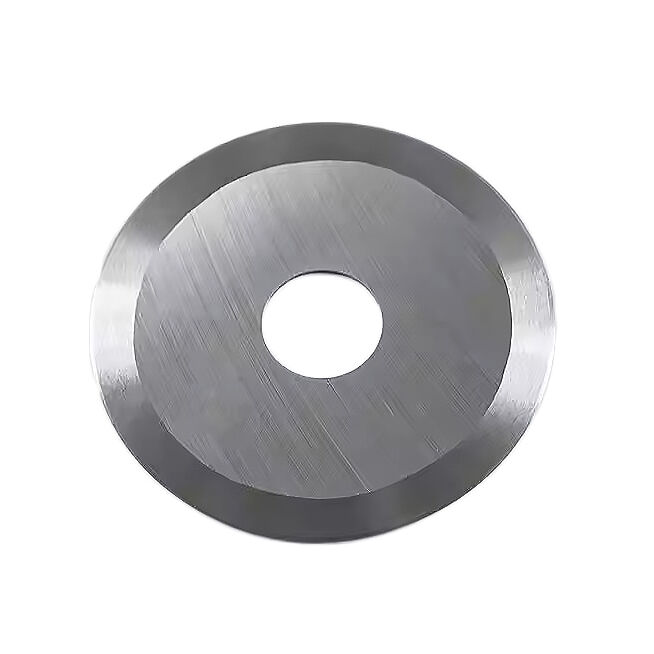
The geometric design of a plastic cutting circular knife represents sophisticated engineering that balances multiple performance parameters to achieve optimal cutting results across diverse plastic materials. Blade diameter selection influences cutting speed and the ability to process materials of varying thickness, with larger diameters enabling higher linear cutting speeds at given rotational velocities. The thickness specification affects blade rigidity and deflection resistance, critical factors for maintaining dimensional accuracy when cutting materials under tension or processing thicker plastic profiles. Bore size and mounting hole patterns ensure secure, centered blade installation that prevents vibration-induced quality problems or safety hazards during operation. The cutting edge angle represents perhaps the most critical geometric parameter, as this angle determines how effectively the blade penetrates material, how much cutting force is required, and how the material behaves during the cutting process. Acute edge angles create extremely sharp blades ideal for thin films and soft plastics, while more obtuse angles provide durability for harder materials or abrasive-filled compounds. Many specialized plastic cutting circular knives feature compound edge geometries that combine different angles to optimize both initial penetration and sustained cutting performance. The relief angle ground behind the cutting edge prevents friction between the blade body and freshly cut material surfaces, reducing heat generation and preventing material welding back together immediately after cutting. Some designs incorporate micro-serrations or specialized tooth patterns that enhance cutting efficiency for particular plastic types, such as fibrous composites or materials prone to stretching rather than clean separation. The surface finish quality of the blade faces influences how smoothly material flows past the cutting edge and whether cut materials tend to adhere to the blade during operation. Precision grinding and polishing processes create mirror-smooth surfaces that minimize friction and prevent material buildup that could degrade cut quality. Manufacturers often apply specialized coatings like titanium nitride or diamond-like carbon that further reduce friction coefficients while adding an additional wear-resistant layer to extend blade life. The runout tolerance, which measures how precisely circular the blade is and how concentrically it mounts, directly affects cutting smoothness and whether vibration issues occur during operation. High-precision plastic cutting circular knives maintain runout within micrometers, ensuring smooth operation even at high rotational speeds.
Versatile Material Compatibility Across Plastic Types

Versatile Material Compatibility Across Plastic Types

The plastic cutting circular knife demonstrates remarkable adaptability across the extensive spectrum of plastic materials encountered in modern manufacturing, from soft, flexible films to rigid, reinforced engineering plastics. This versatility stems from the availability of different blade specifications optimized for particular material characteristics, allowing manufacturers to select the ideal cutting tool for their specific applications. For processing thin plastic films used in packaging applications, such as polyethylene bags or shrink wrap, blades feature extremely sharp edges with acute angles that slice cleanly through material without causing stretching or deformation that would compromise product appearance or dimensional accuracy. These film-cutting variants often incorporate ultra-smooth surface finishes and anti-adhesive coatings that prevent static-induced material clinging to blade surfaces during high-speed processing. When cutting rigid plastic sheets like acrylic, polycarbonate, or PVC boards, the plastic cutting circular knife employs more robust edge geometries that withstand the higher cutting forces required while maintaining edge integrity through extended production runs. The blade specifications for sheet materials balance sharpness with durability, often featuring slightly increased edge angles and thicker blade bodies that resist deflection when cutting materials under clamping pressure. For processing plastic tubes and profiles used in plumbing, electrical conduit, or structural applications, specialized circular knives incorporate designs that accommodate the cylindrical geometry while delivering square, perpendicular cuts essential for proper fitting and assembly. Composite materials containing glass fibers, mineral fillers, or other reinforcing additives present particularly demanding cutting challenges, as these inclusions accelerate blade wear through abrasive action. Plastic cutting circular knives designed for composite applications utilize premium steel alloys with enhanced wear resistance and may feature specialized coatings that protect against abrasive damage while maintaining cutting performance. The medical and pharmaceutical industries require circular knives capable of processing materials to extremely tight tolerances while maintaining sterile conditions, demands met through precision-ground blades manufactured from corrosion-resistant steel alloys that withstand repeated sterilization procedures. Foam plastics, whether flexible polyurethane or rigid polystyrene insulation, require blade designs that compress and cut simultaneously rather than tearing material cellular structures. The adaptability of the plastic cutting circular knife extends to processing recycled plastics, which often contain contaminants and variations in material properties that challenge cutting consistency.

Get a Free Quote

Our representative will contact you soon.
Email
WhatsApp
Name
Company Name
Message
0/1000
Newsletter
Please Leave A Message With Us