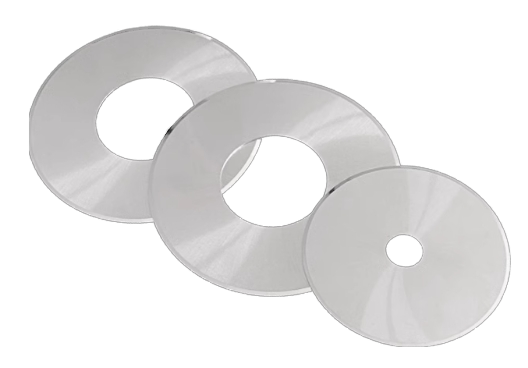
Carbide Circular Knife - Premium Industrial Cutting Blades for Superior Performance and Longevity

All Categories

Get a Free Quote

Our representative will contact you soon.
Email
WhatsApp
Name
Company Name
Message
0/1000

carbide circular knife

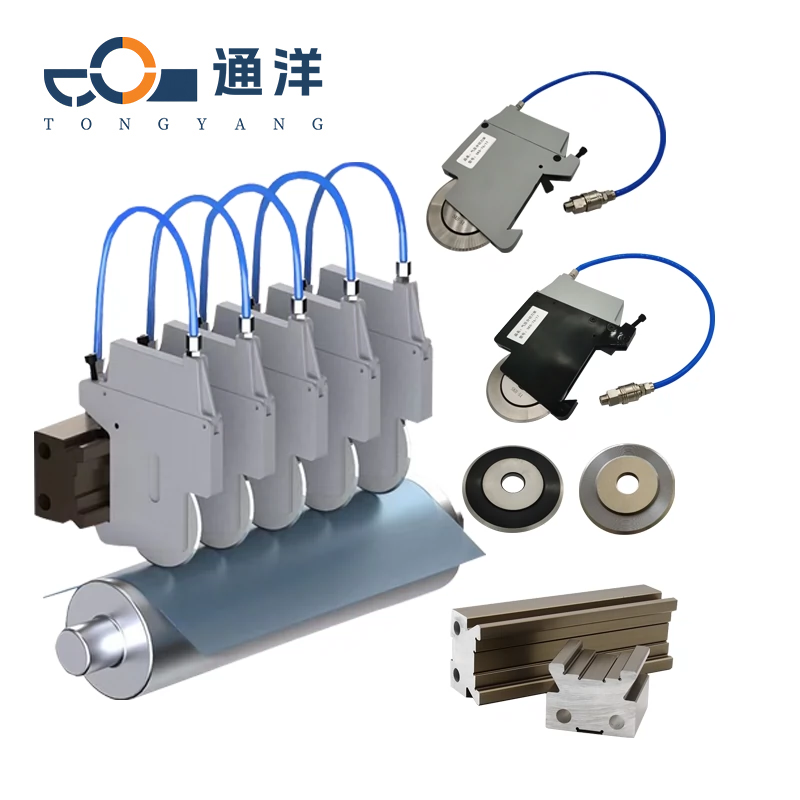
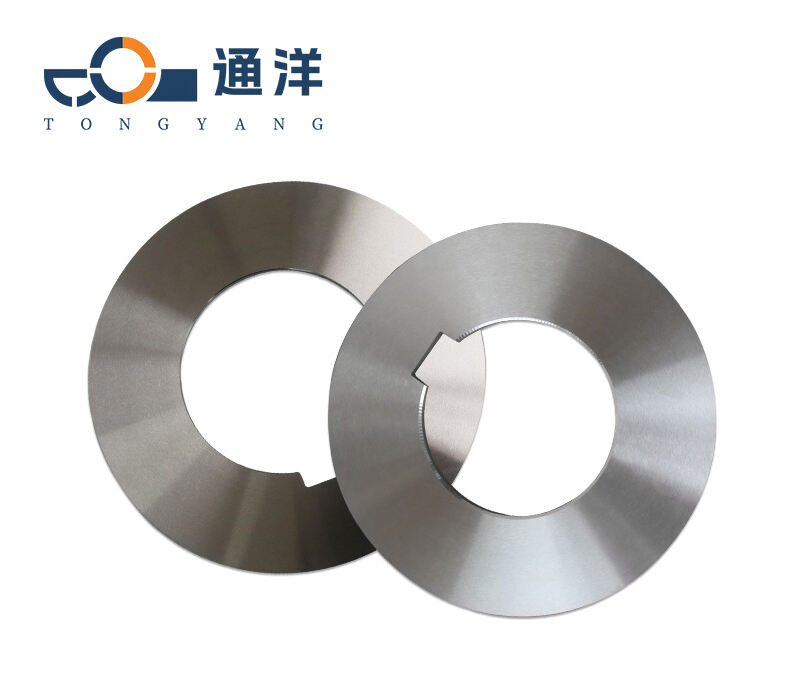
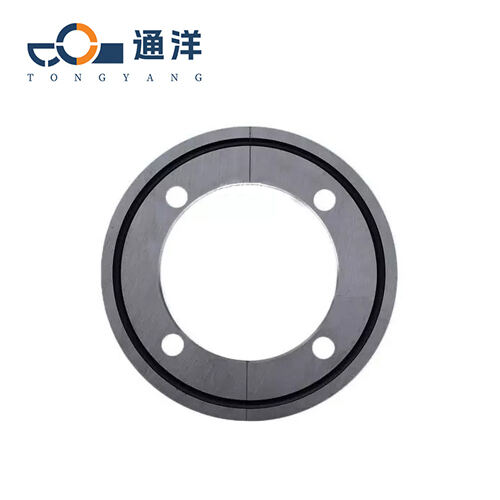
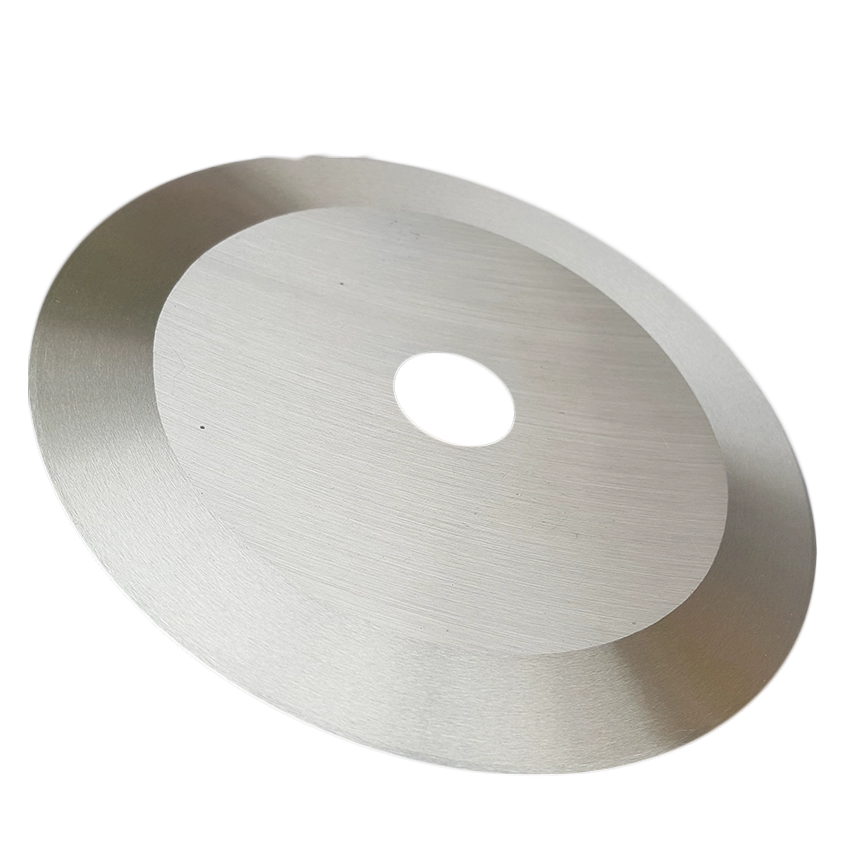
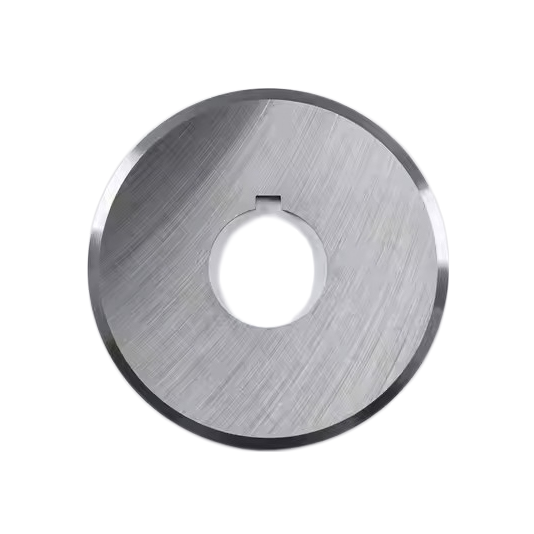
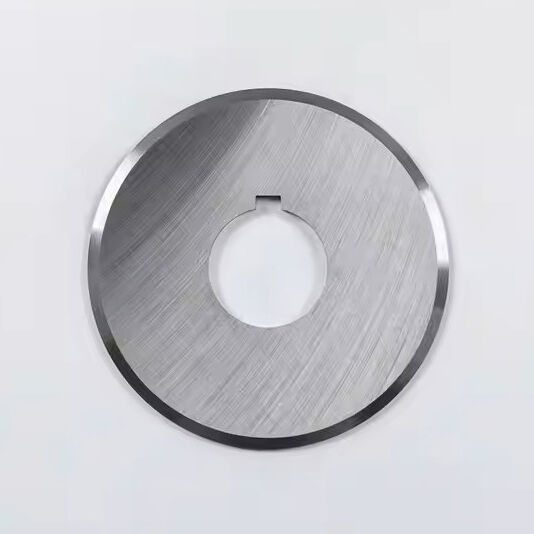
The carbide circular knife represents a cutting-edge solution in industrial blade technology, designed to deliver superior performance across diverse manufacturing and processing applications. This specialized cutting tool features a circular design constructed from tungsten carbide, one of the hardest materials available for industrial tooling. The carbide circular knife excels in environments demanding precision, durability, and consistent cutting quality over extended operational periods. Its primary functions include slicing, trimming, perforating, and shearing various materials ranging from paper and plastics to textiles, rubber, and metal foils. The technological features of the carbide circular knife set it apart from conventional steel blades. The tungsten carbide composition provides exceptional hardness ratings, typically ranging between 85 to 92 HRA on the Rockwell scale, ensuring remarkable resistance to wear and deformation. Advanced manufacturing processes, including precision grinding and specialized heat treatments, create edges that maintain sharpness significantly longer than traditional alternatives. Many carbide circular knife models incorporate sophisticated geometries with optimized rake angles and relief angles that reduce cutting forces while improving material flow during operation. The application spectrum for carbide circular knife products spans numerous industries. In packaging facilities, these blades process corrugated materials, paperboard, and flexible packaging films with exceptional consistency. Textile manufacturers rely on carbide circular knife technology for cutting synthetic fabrics, nonwovens, and technical textiles where precision matters. The plastics industry utilizes these cutting tools for film slitting, sheet trimming, and profile cutting operations. Food processing plants implement carbide circular knife solutions for hygienic cutting of packaging materials and processed products. Additionally, printing operations, converting facilities, and specialized manufacturing environments benefit from the reliability and performance characteristics that carbide circular knife technology delivers across demanding production schedules and challenging material conditions.

New Products

Choosing a carbide circular knife for your operations delivers tangible benefits that directly impact your production efficiency and bottom line. The most immediate advantage comes from the extraordinary longevity these blades provide. Unlike standard steel knives that require frequent replacement, a carbide circular knife maintains its cutting edge up to fifty times longer in comparable applications. This extended lifespan translates to fewer production interruptions for blade changes, reducing downtime that costs your facility money and disrupts schedules. Your maintenance teams spend less time replacing blades and more time on value-adding activities, while your production lines maintain consistent output without unexpected stops. The superior hardness of the carbide circular knife creates cuts that remain clean and precise throughout the blade's operational life. This consistency means your finished products meet quality standards batch after batch, reducing waste from imperfect cuts and maintaining customer satisfaction. When cuts stay sharp and accurate, you avoid the material damage, fraying, and deformation that occur with dulling blades, protecting your raw material investment and finished product value. Cost efficiency represents another compelling advantage. While the initial investment in a carbide circular knife exceeds that of conventional blades, the total cost of ownership tells a different story. Calculate the expense of purchasing replacement blades fifty times more frequently, factor in labor costs for change-overs, and consider production losses during blade replacement, and the economic case becomes clear. Your facility achieves lower per-unit cutting costs and improved operational budgets. The carbide circular knife also performs exceptionally well with abrasive and challenging materials that quickly destroy standard blades. Fiberglass-reinforced plastics, abrasive papers, and materials with mineral fillers no longer present obstacles to continuous production. This versatility means you can expand your material offerings and accept more diverse jobs without worrying about blade performance limitations. Temperature stability gives the carbide circular knife an edge in high-speed operations where friction generates significant heat. The material maintains its hardness and edge geometry under thermal stress that would soften and deform steel alternatives, enabling faster cutting speeds and higher throughput. Your facility can increase production rates without sacrificing cut quality or blade life. Safety improvements come from the predictable performance of carbide circular knife technology. Blades that maintain consistent sharpness reduce the likelihood of unexpected blade failures, binding, or material kickback that can endanger operators. Environmental benefits emerge from reduced blade disposal requirements, as fewer replacement blades mean less industrial waste entering landfills, supporting your sustainability initiatives while improving your operational efficiency and profitability.

Practical Tips

5 Best Metal Cutting Blade Options for DIY Projects

25

Mar

5 Best Metal Cutting Blade Options for DIY Projects

Choosing the right metal cutting blade can make the difference between a successful DIY project and a frustrating experience filled with poor cuts and damaged materials. Whether you're working on home renovations, crafting custom metalwork, or tackli...
View More
How to Extend Your Cutting Blade Life: Pro Tips

25

Mar

How to Extend Your Cutting Blade Life: Pro Tips

Maximizing the lifespan of your cutting blade is essential for maintaining operational efficiency and reducing replacement costs in any professional environment. Whether you work in manufacturing, printing, packaging, or crafts, understanding proper ...
View More
Maximizing ROI with Quality Corrugated Cardboard Cutting Blade

25

Mar

Maximizing ROI with Quality Corrugated Cardboard Cutting Blade

In today's competitive packaging industry, maximizing return on investment requires strategic investments in high-quality equipment and tools. The efficiency of your corrugated cardboard production line directly impacts your bottom line, and selectin...
View More
Paper Cutting Blade Safety: Essential Guidelines

23

Apr

Paper Cutting Blade Safety: Essential Guidelines

Workplace safety incidents involving paper cutting blade equipment account for thousands of injuries annually across commercial and industrial facilities. From minor cuts to severe lacerations requiring medical attention, these incidents often stem f...
View More

Get a Free Quote

Our representative will contact you soon.
Email
WhatsApp
Name
Company Name
Message
0/1000

carbide circular knife

Exceptional Wear Resistance Through Advanced Material Science

Exceptional Wear Resistance Through Advanced Material Science

The carbide circular knife achieves its remarkable performance through sophisticated material science that combines tungsten and carbon in precise ratios to create tungsten carbide, a compound that ranks among the hardest substances used in industrial applications. This material composition gives the carbide circular knife a hardness level that approaches diamond on the Mohs scale, creating a cutting edge that resists wear from even the most abrasive materials. The crystalline structure of tungsten carbide features incredibly strong metallic bonds that prevent the material breakdown occurring in softer blade materials during cutting operations. When a carbide circular knife contacts materials during cutting, the extreme hardness prevents the micro-chipping and edge rolling that degrades conventional blades within hours of operation. Manufacturing processes for premium carbide circular knife products involve powder metallurgy techniques where ultrafine tungsten carbide particles combine with metallic binders under extreme pressure and temperature conditions. This sintering process creates a homogeneous material structure without weak points or inconsistencies that might compromise blade performance. The resulting carbide circular knife blank then undergoes precision grinding operations using diamond abrasives to achieve the exact edge geometry required for specific applications. Quality manufacturers employ computer-controlled grinding systems that maintain tolerances measured in microns, ensuring every carbide circular knife meets exacting specifications. The wear resistance of a carbide circular knife becomes particularly valuable in production environments processing abrasive materials like sandpaper, fiberglass-reinforced composites, or mineral-filled plastics. These materials contain hard particles that act like microscopic grinding wheels against blade edges, rapidly dulling steel knives and creating rough, damaged cuts. A carbide circular knife withstands this abrasive action, maintaining edge sharpness through millions of cutting cycles. Production managers report that facilities cutting abrasive materials experience blade life improvements of fifty to one hundred times when switching from steel to carbide circular knife technology, transforming operational economics and eliminating the constant blade replacement cycle that disrupts production schedules and inflates operating costs.
Precision Engineering for Consistent Cutting Performance

Precision Engineering for Consistent Cutting Performance

The engineering excellence embodied in a premium carbide circular knife extends beyond material selection to encompass geometric design factors that optimize cutting performance across diverse applications. Every dimension of a carbide circular knife receives careful consideration during the design phase, from overall diameter and bore size to edge angle configurations and surface finish characteristics. The cutting edge geometry of a carbide circular knife typically features precisely controlled rake angles that determine how aggressively the blade engages material, clearance angles that prevent friction between the blade and cut material, and edge radii that balance sharpness with durability. Engineers design these parameters based on specific material characteristics and cutting conditions, creating carbide circular knife variants optimized for different applications. A carbide circular knife intended for cutting soft, sticky materials might feature steeper rake angles and polished surfaces that prevent material adhesion, while blades for tough, fibrous materials incorporate reinforced edge geometries that resist chipping. Manufacturing tolerances for quality carbide circular knife products ensure remarkable consistency in dimensions critical to performance. Blade thickness remains uniform within micrometers across the entire circumference, preventing vibration and ensuring smooth rotation during operation. The bore diameter that mounts the carbide circular knife to drive shafts meets precise specifications that eliminate runout and wobble, conditions that degrade cut quality and accelerate wear. Surface finish on both the cutting edge and blade faces receives attention during manufacturing, with grinding and polishing operations creating smooth surfaces that reduce friction and prevent material buildup. Advanced carbide circular knife designs incorporate features addressing specific operational challenges. Some models include expansion slots that accommodate thermal expansion during high-speed cutting, preventing blade warping that would compromise accuracy. Others feature specialized coatings applied to carbide circular knife surfaces that further reduce friction, prevent corrosion, or provide non-stick properties when cutting adhesive materials. The precision engineering invested in carbide circular knife manufacturing delivers practical benefits in production environments, where consistent cutting performance means predictable quality, minimal waste, and reliable operation that keeps production schedules on track and customers satisfied with finished product quality.
Versatile Application Range Across Multiple Industries

Versatile Application Range Across Multiple Industries

The adaptability of carbide circular knife technology across diverse industries and applications demonstrates the versatility this cutting solution provides to manufacturers and processors facing varied material challenges. The fundamental strength and wear resistance of a carbide circular knife create a foundation supporting successful implementation in environments ranging from delicate film slitting to demanding metal foil cutting. In packaging industries, the carbide circular knife handles everything from tissue-thin films to heavy corrugated materials, maintaining cut quality across this broad material spectrum. Converting operations particularly benefit from carbide circular knife implementation, as these facilities often process multiple material types on the same equipment. A production line might cut polyester films in the morning, switch to paper products at midday, and process nonwoven materials in the afternoon. Traditional blade materials struggle with this variety, dulling quickly on abrasive papers or chipping when encountering hard spots in synthetic materials. A carbide circular knife navigates these material transitions without performance degradation, enabling flexible scheduling and rapid changeovers that improve facility utilization and responsiveness to customer demands. The textile industry employs carbide circular knife technology for cutting operations involving technical fabrics, synthetic fibers, and composite materials that destroy conventional blades. Glass fiber fabrics, aramid textiles, and carbon fiber materials contain elements that act as aggressive abrasives against cutting edges, but a carbide circular knife maintains sharpness through extended production runs. Food processing and pharmaceutical packaging sectors value the carbide circular knife for its sanitary properties and longevity. The dense, non-porous surface of tungsten carbide resists bacterial growth and permits thorough cleaning and sterilization without material degradation. Facilities can implement carbide circular knife solutions in environments requiring strict hygiene standards, achieving both performance and safety objectives. Printing operations utilize carbide circular knife products for trimming, perforating, and cutting finished materials where precision directly affects product quality. The ability of a carbide circular knife to maintain tight tolerances throughout its operational life ensures consistent registration and dimensional accuracy in printed materials. Specialized applications demonstrate the remarkable range of carbide circular knife technology. Electronics manufacturers cut thin metal foils and composite materials for batteries and circuit boards. Automotive suppliers process rubber, gaskets, and sealing materials. Even industrial applications cutting abrasive materials like ceramics, composites, and reinforced plastics successfully implement carbide circular knife solutions where other blade technologies fail completely.

Get a Free Quote

Our representative will contact you soon.
Email
WhatsApp
Name
Company Name
Message
0/1000
Newsletter
Please Leave A Message With Us