Tape Roll Slitting Blade - Precision Cutting Solutions for Industrial Tape Manufacturing

All Categories

Get a Free Quote

Our representative will contact you soon.
Email
WhatsApp
Name
Company Name
Message
0/1000

tape roll slitting blade

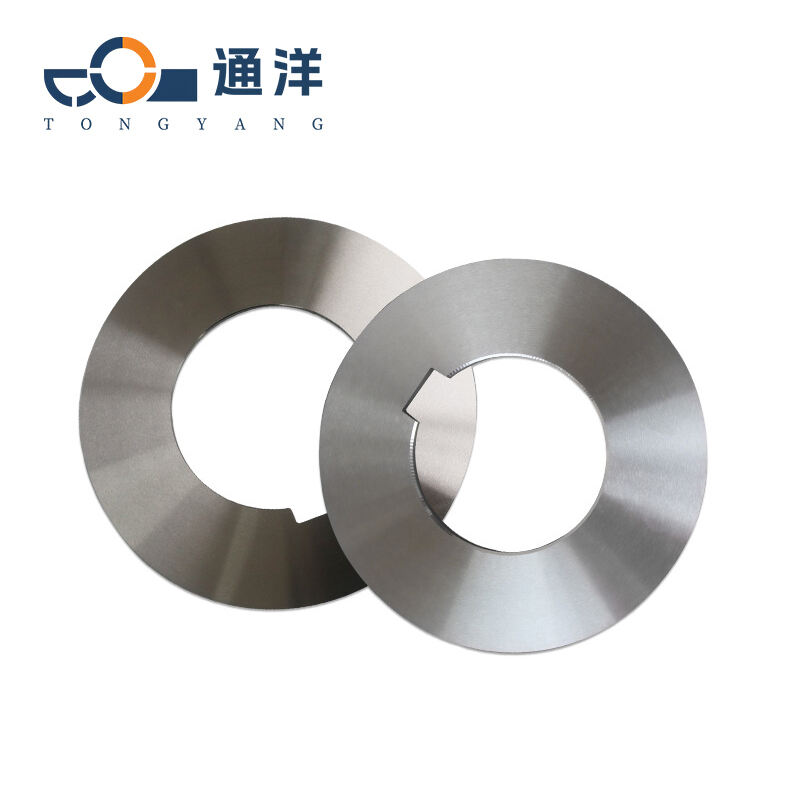
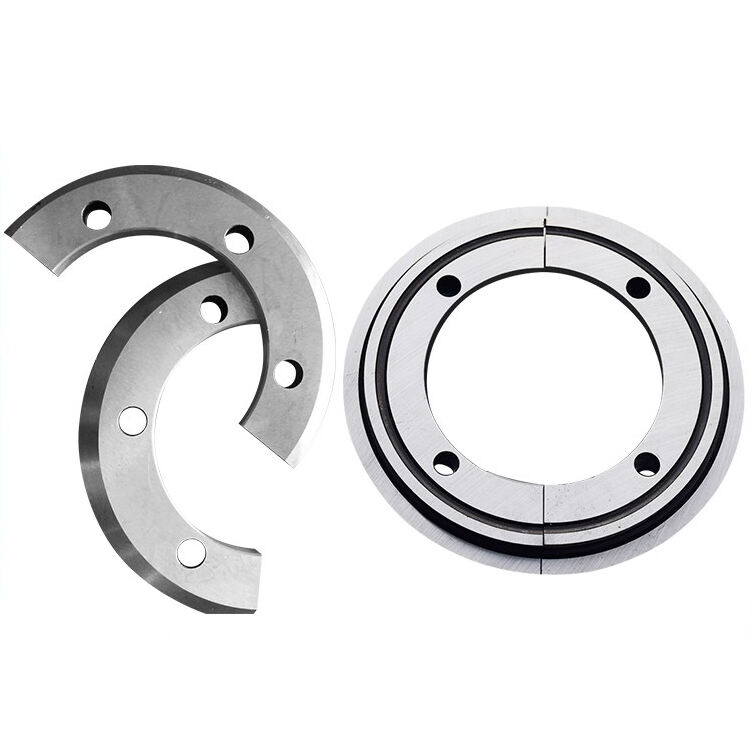
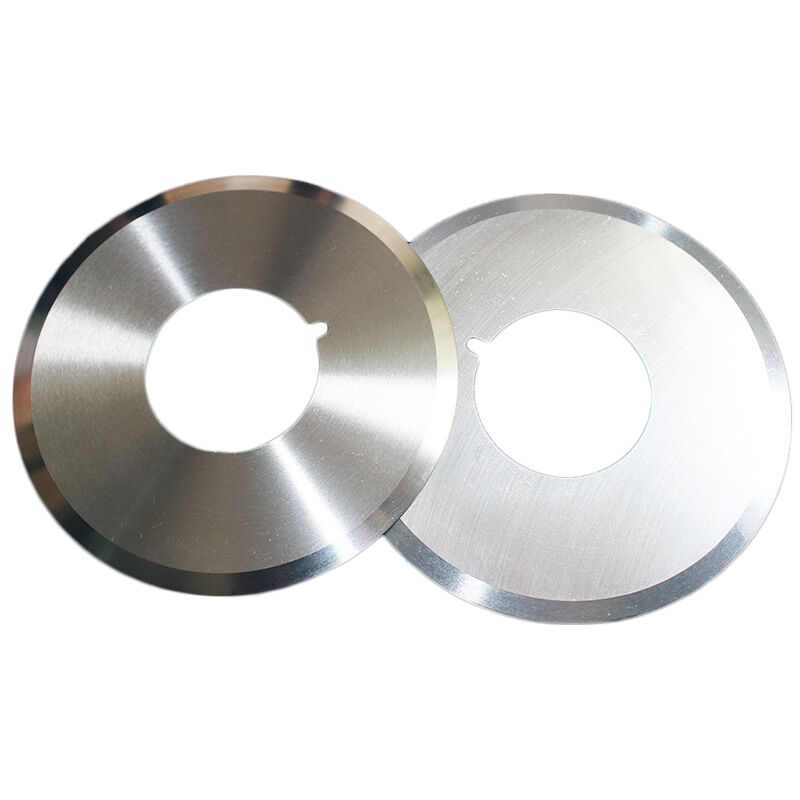
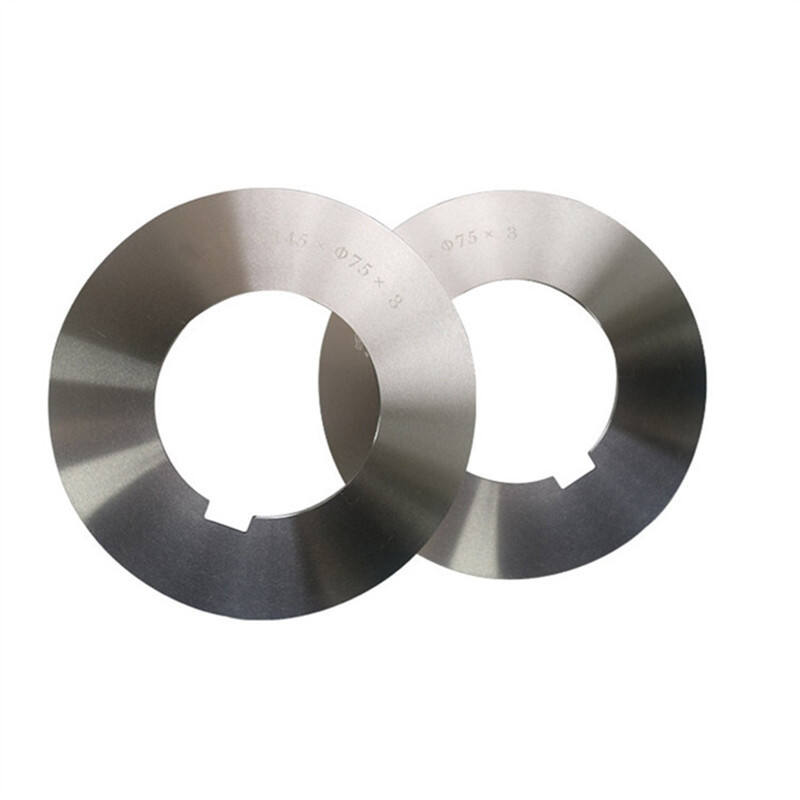
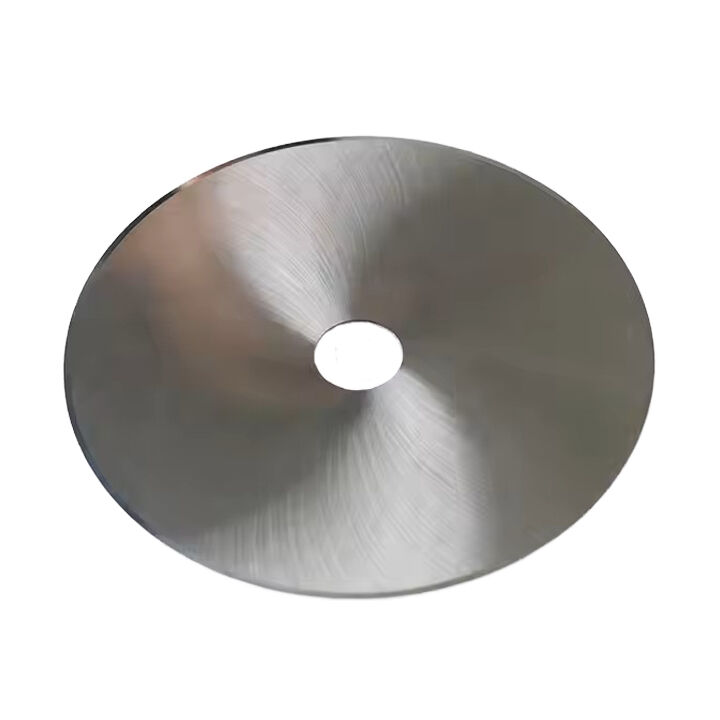
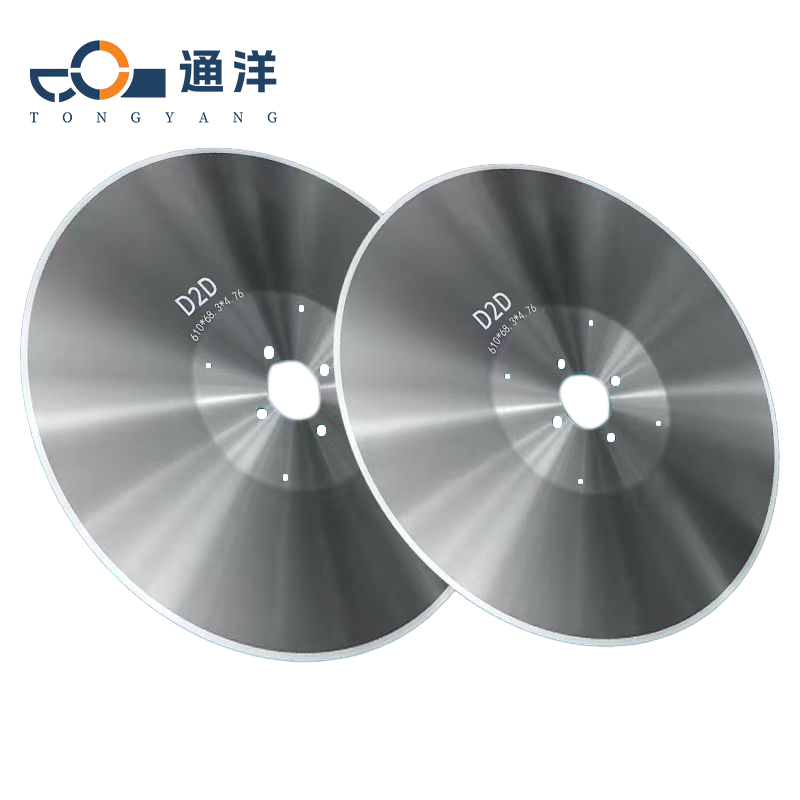
The tape roll slitting blade represents a precision-engineered cutting tool designed specifically for converting large master rolls of adhesive tape into smaller, more manageable widths. This specialized industrial blade serves as the cornerstone of tape manufacturing and converting operations, enabling businesses to produce custom-sized tape products efficiently and accurately. The tape roll slitting blade operates through a shearing action that cleanly separates tape material without causing edge defects, adhesive transfer, or material deformation. These blades are manufactured from high-grade steel alloys that undergo specialized heat treatment processes to achieve optimal hardness levels between 58-62 HRC, ensuring prolonged edge retention and consistent cutting performance throughout extended production runs. The blade design incorporates precise geometric specifications, including carefully calculated edge angles, blade thickness tolerances, and surface finish requirements that directly impact cutting quality. Modern tape roll slitting blades feature advanced coatings such as titanium nitride or chrome plating that reduce friction, minimize adhesive buildup, and extend operational lifespan. The technological features of these blades include micro-ground cutting edges that maintain sharpness over millions of linear feet of cutting, balanced construction that reduces vibration during high-speed operation, and material compatibility across diverse tape substrates including polypropylene, polyester, PVC, paper, and foam-backed materials. Applications for the tape roll slitting blade span multiple industries including packaging, automotive, electronics, medical device manufacturing, and general industrial sectors where precise tape dimensions are critical. Converting facilities utilize these blades in various slitting machine configurations, from simple log slitters to sophisticated differential shaft rewinders, each requiring specific blade characteristics to optimize performance. The tape roll slitting blade must maintain dimensional stability under thermal stress generated during continuous operation while resisting corrosive effects from adhesive chemistry and cleaning solvents used in production environments.

New Product Releases

Investing in quality tape roll slitting blade technology delivers measurable returns through enhanced production efficiency and superior product quality. The primary advantage centers on achieving clean, precise cuts that eliminate ragged edges, which directly translates to reduced waste and higher yields from expensive master roll inventory. When your operation uses properly maintained tape roll slitting blades, you experience consistent edge quality that meets stringent customer specifications without requiring secondary trimming operations. This precision cutting capability means your finished tape products exhibit professional appearance and reliable performance in end-use applications. Another significant benefit involves extended blade life that minimizes downtime for blade changes and reduces overall tooling costs. High-quality tape roll slitting blades maintain their cutting edge sharpness through millions of linear meters, allowing your production teams to focus on output rather than constant maintenance interruptions. The time saved from fewer blade changes accumulates into substantial productivity gains across weekly and monthly production cycles. Operators appreciate the predictable performance that quality blades deliver, as they can schedule maintenance during planned downtime rather than responding to emergency blade failures. The reduced friction characteristics of advanced tape roll slitting blade coatings provide another practical advantage by minimizing heat generation during cutting operations. Lower operating temperatures prevent adhesive softening that can cause material buildup on blade surfaces, which would otherwise compromise cut quality and require frequent cleaning cycles. This thermal stability also protects sensitive tape substrates from heat-related damage that could alter adhesive properties or backing material characteristics. Cost-conscious businesses recognize that superior tape roll slitting blade performance directly impacts their bottom line through reduced scrap rates. When blades cut cleanly without tearing or creating dust, less material ends up in waste bins and more finished product ships to customers. The improved first-pass yield percentages translate directly into better material utilization and improved profit margins on every master roll processed. Additionally, consistent blade performance reduces quality control rejections and customer complaints related to poor edge finish. The operational flexibility provided by versatile tape roll slitting blade designs allows manufacturers to process diverse material types without maintaining extensive blade inventories. Modern blade metallurgy and geometry accommodate varying tape thicknesses, adhesive formulations, and backing materials, enabling quick product changeovers that maximize equipment utilization. This adaptability proves especially valuable for converting operations serving multiple market segments with different tape specifications.

Latest News

What is the difference between a combination blade and a ripping or crosscutting blade?

25

Mar

What is the difference between a combination blade and a ripping or crosscutting blade?

What is the Difference Between a Combination Blade and a Ripping or Crosscutting Blade? In woodworking, the type of saw blade you use directly affects the quality of your cuts, the efficiency of your work, and even the lifespan of your tools. Three c...
View More
Industrial Corrugated Cardboard Cutting Blade Selection Tips

25

Mar

Industrial Corrugated Cardboard Cutting Blade Selection Tips

Selecting the right cutting blade for corrugated cardboard processing operations represents a critical decision that directly impacts production efficiency, product quality, and operational costs. Industrial facilities handling large volumes of corru...
View More
Common Slitter Blades Problems and Solutions

30

Mar

Common Slitter Blades Problems and Solutions

Manufacturing operations that rely on slitter blades face a variety of challenges that can significantly impact production efficiency, material quality, and operational costs. Understanding the most common problems associated with slitter blades and ...
View More
How to Choose the Perfect Metal Cutting Blade: Pro Guide

06

May

How to Choose the Perfect Metal Cutting Blade: Pro Guide

Selecting the right metal cutting blade is a critical decision that directly impacts production efficiency, cut quality, blade lifespan, and overall operational costs in industrial metalworking operations. Whether you're processing thin gauge steel, ...
View More

Get a Free Quote

Our representative will contact you soon.
Email
WhatsApp
Name
Company Name
Message
0/1000

tape roll slitting blade

Superior Material Engineering for Extended Performance

Superior Material Engineering for Extended Performance

The foundation of exceptional tape roll slitting blade performance lies in advanced material science and precision manufacturing processes that create tools capable of withstanding extreme operational demands. Premium tape roll slitting blade manufacturers select specialized steel alloys containing precise ratios of carbon, chromium, vanadium, and molybdenum that provide the ideal balance between hardness and toughness. This careful material selection ensures the blade can maintain a sharp cutting edge while resisting brittle fracture under the cyclical stress encountered during high-speed slitting operations. The heat treatment process applied to tape roll slitting blade blanks involves controlled heating and quenching cycles that transform the molecular structure of the steel, creating optimal grain size and carbide distribution throughout the blade body. This metallurgical transformation results in uniform hardness across the entire blade thickness, eliminating soft spots that would accelerate wear and create inconsistent cutting performance. Advanced grinding technologies then shape the blade profile with micron-level precision, creating cutting edges with specific included angles optimized for different tape materials. The surface finish achieved during grinding directly impacts how adhesive interacts with the blade face, with smoother finishes reducing material buildup and extending intervals between cleaning cycles. Modern tape roll slitting blade manufacturing incorporates sophisticated coating technologies that further enhance performance characteristics beyond what base steel alone can provide. Titanium nitride coatings create an ultra-hard surface layer that significantly extends edge life while providing a low-friction interface that minimizes heat generation during cutting. Chrome plating offers excellent release properties that prevent adhesive accumulation, particularly valuable when processing high-tack materials. These engineered coatings maintain their integrity through millions of cutting cycles, providing consistent performance that justifies the initial investment through reduced replacement frequency and lower total cost of ownership. The dimensional stability of precision-manufactured tape roll slitting blades ensures they maintain critical geometric specifications even when subjected to thermal cycling and mechanical stress during operation, delivering predictable performance that production managers can rely upon for consistent quality output.
Precision Cutting Technology That Maximizes Product Quality

Precision Cutting Technology That Maximizes Product Quality

The cutting performance of tape roll slitting blade technology directly determines the quality and marketability of finished tape products, making blade selection a critical decision for converting operations. Superior blade geometry creates a shearing action that cleanly separates tape material at the molecular level, producing edges that appear smooth and uniform under magnification. This precision cutting eliminates the micro-tears and ragged edges that compromise tape performance in critical applications such as electrical insulation, medical device assembly, and automotive bonding operations. When the tape roll slitting blade maintains optimal sharpness, it cuts through both the backing material and adhesive layer simultaneously without causing delamination or adhesive squeeze-out that would contaminate adjacent surfaces. The edge quality achieved through precision slitting impacts how tape unwinds from finished rolls, with clean-cut edges providing consistent release characteristics that prevent flagging or edge lifting during dispensing operations. Manufacturing facilities producing tape for automated application equipment recognize that edge quality directly affects machine performance, as rough edges can trigger sensor faults or cause jamming in high-speed application systems. The tape roll slitting blade accomplishes this precision through carefully engineered rake angles and clearance specifications that optimize cutting forces for specific material characteristics. Softer, conformable tapes require different blade geometry compared to rigid, dimensionally stable materials, and premium blade suppliers provide application-specific recommendations that optimize results. The consistent tension control enabled by sharp tape roll slitting blades prevents material distortion during the cutting process, maintaining the original tape properties including width tolerances, thickness uniformity, and adhesive distribution. This dimensional consistency proves critical for customers who require precise tape dimensions for automated dispensing equipment or applications where gaps and overlaps must be carefully controlled. Production quality metrics improve measurably when operations upgrade to precision tape roll slitting blade systems, with defect rates dropping and customer satisfaction scores rising in direct correlation to edge quality improvements. The competitive advantage gained through superior product quality justifies investment in premium blade technology that delivers consistent performance.
Operational Efficiency Through Optimized Blade Performance

Operational Efficiency Through Optimized Blade Performance

The economic impact of tape roll slitting blade performance extends far beyond the initial purchase price, encompassing total operational costs including labor, downtime, waste, and quality-related expenses. Efficient blade design minimizes the cutting forces required to separate tape materials, reducing stress on drive systems and allowing slitting equipment to operate at higher line speeds without sacrificing cut quality. This capability to increase throughput using existing equipment represents a significant competitive advantage for converting operations facing growing demand without capital budget for new machinery. When the tape roll slitting blade operates efficiently, electric motors consume less power, reducing energy costs across production shifts and contributing to sustainability initiatives. The extended operational life achieved through premium blade materials and coatings translates into fewer blade change cycles, which represents substantial savings in both replacement blade costs and the labor hours required for changeover procedures. Production managers calculate that each blade change consumes between thirty minutes to two hours of productive time, depending on machine configuration and operator skill levels. By extending blade life from thousands to millions of linear feet, advanced tape roll slitting blade technology dramatically reduces these non-productive intervals, improving overall equipment effectiveness metrics. The predictable wear characteristics of quality blades enable planned maintenance scheduling during off-shifts or low-demand periods, eliminating the costly emergency stops that disrupt production schedules and delay customer shipments. Reduced adhesive buildup on advanced coating surfaces means cleaning cycles can be extended, further minimizing interruptions to production flow. The tape roll slitting blade also impacts material utilization efficiency through improved yield rates that reduce scrap generation. When blades cut cleanly without creating edge defects, less material requires trimming or rejection during quality inspection processes. This improved yield directly reduces raw material costs per finished unit, improving profit margins on every production run. Additionally, consistent blade performance reduces variation in finished product dimensions, minimizing the safety margins that converters typically build into their slitting programs to ensure minimum width specifications are met. This optimization allows more finished rolls to be produced from each master roll, further improving material utilization. Maintenance teams appreciate the reliability of premium tape roll slitting blade systems that require less frequent intervention, allowing them to focus on other equipment needs rather than constantly addressing blade-related issues.

Get a Free Quote

Our representative will contact you soon.
Email
WhatsApp
Name
Company Name
Message
0/1000
Newsletter
Please Leave A Message With Us