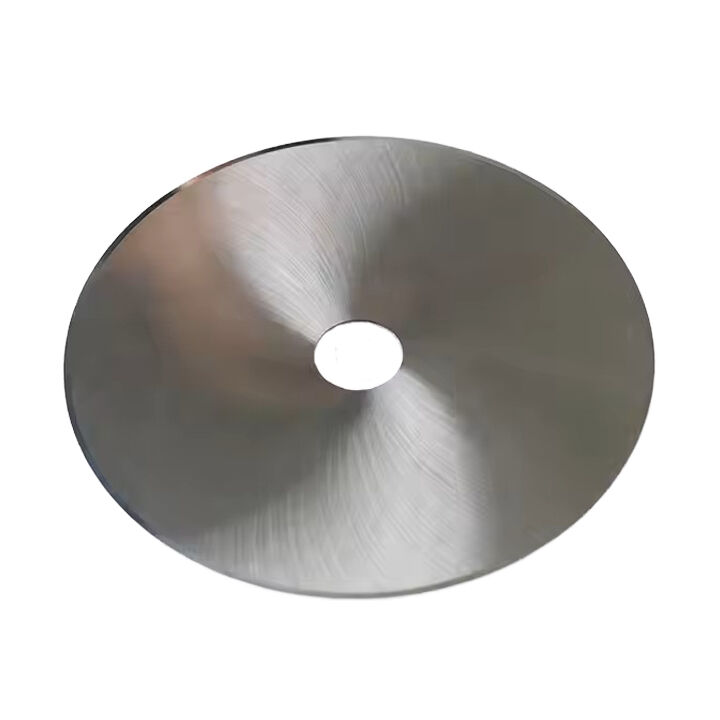
Versatile Material Processing Capabilities
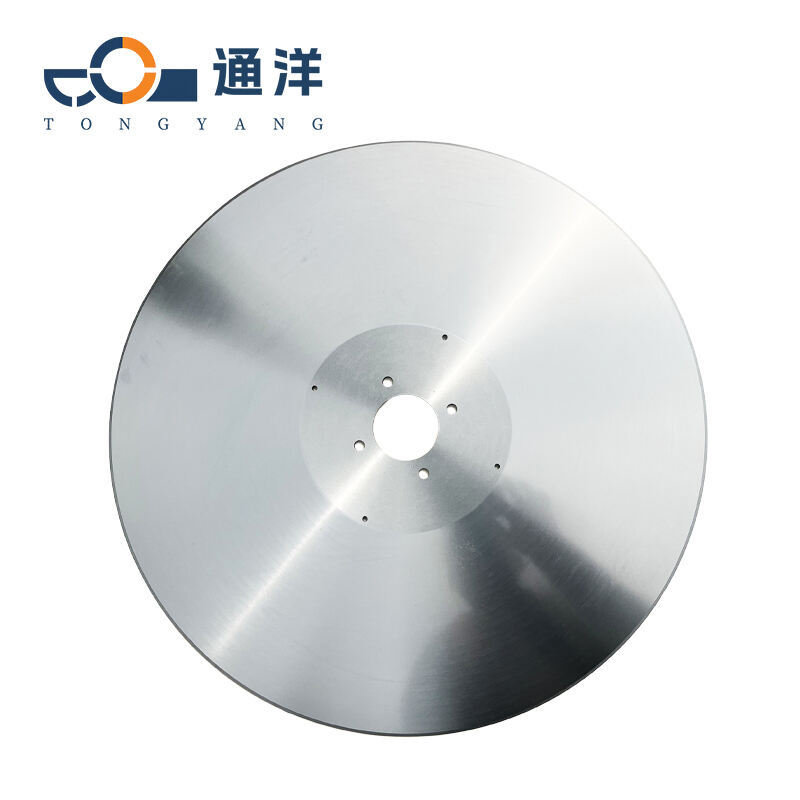
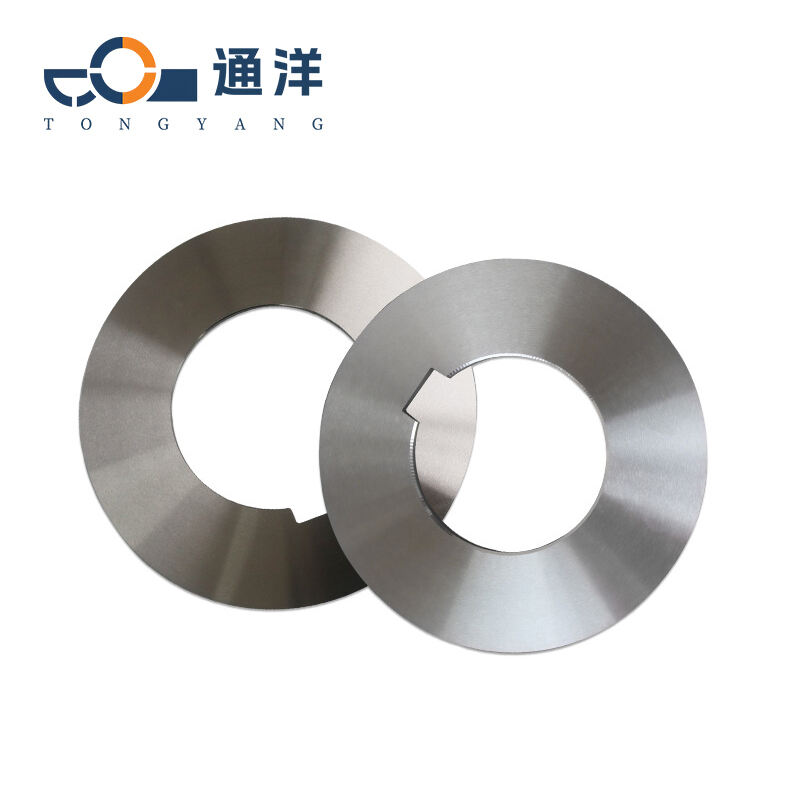
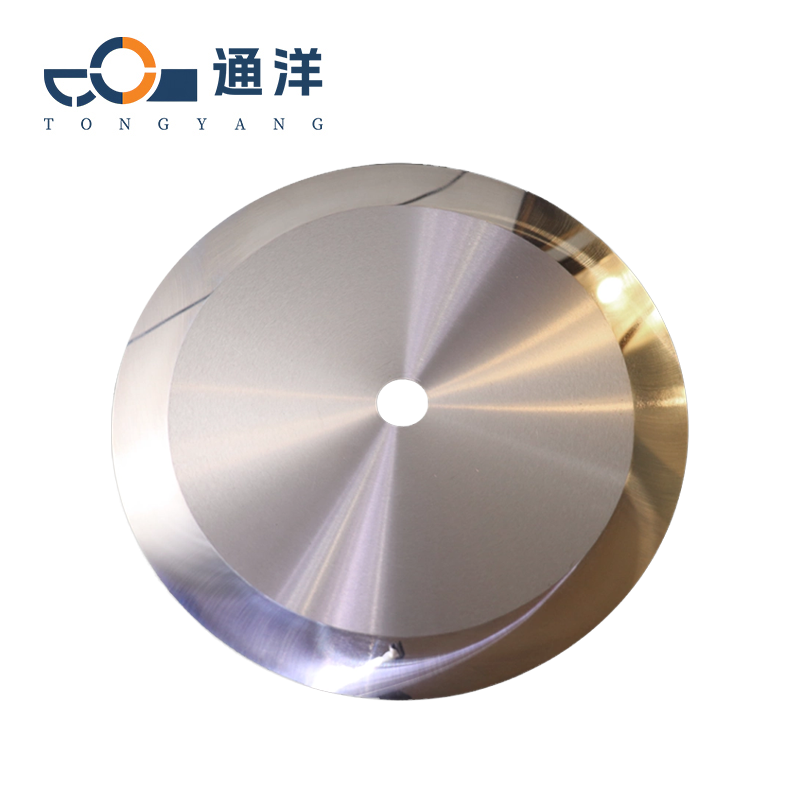
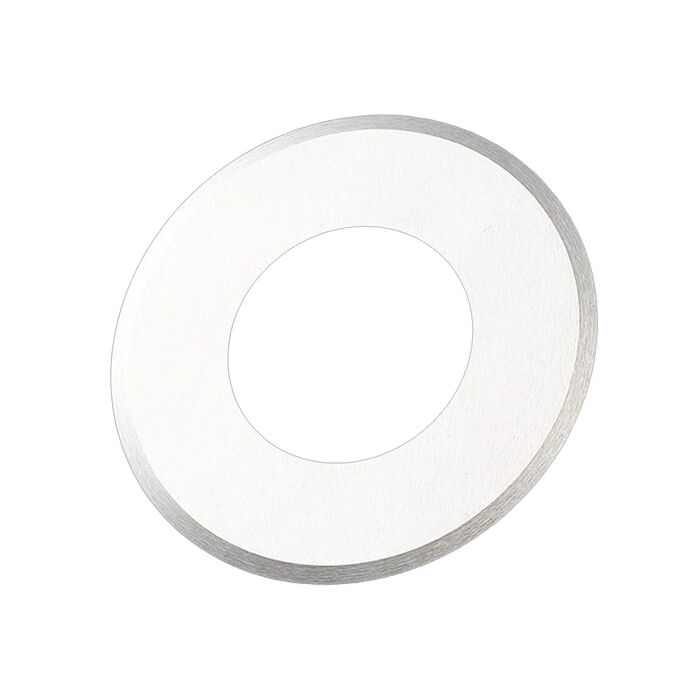
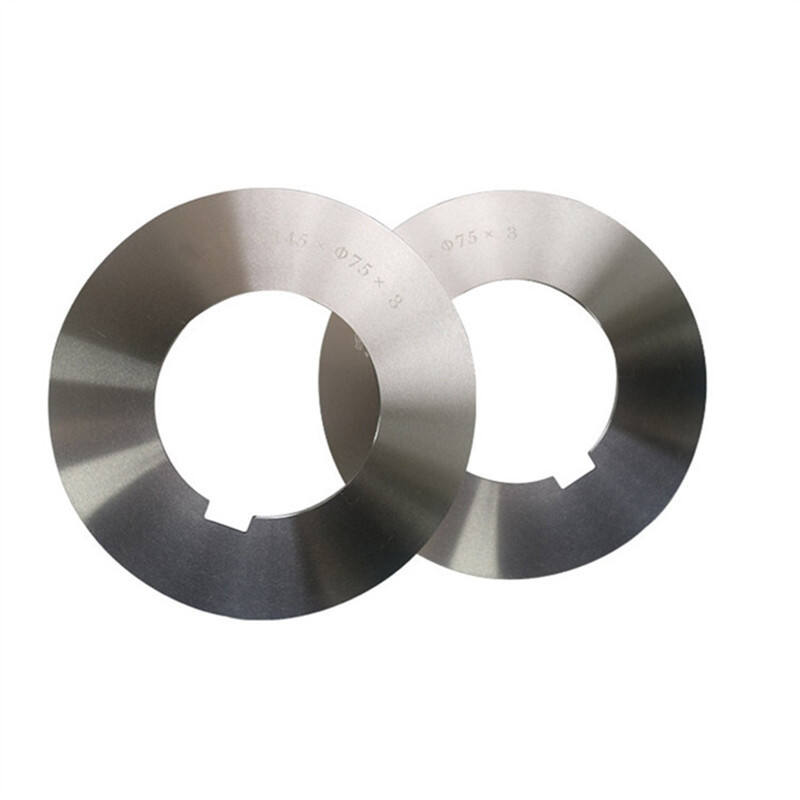
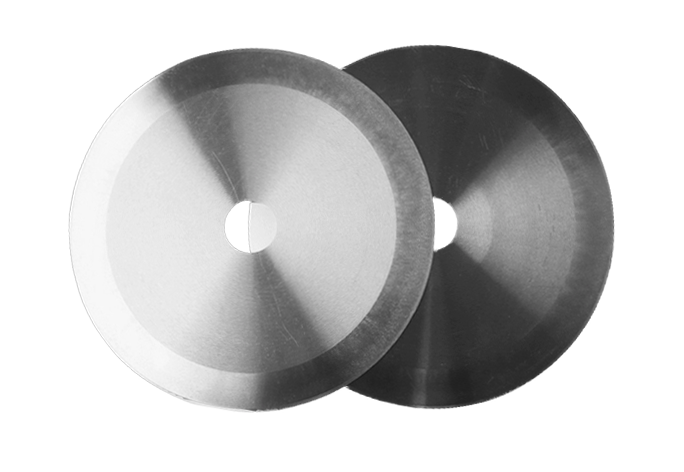
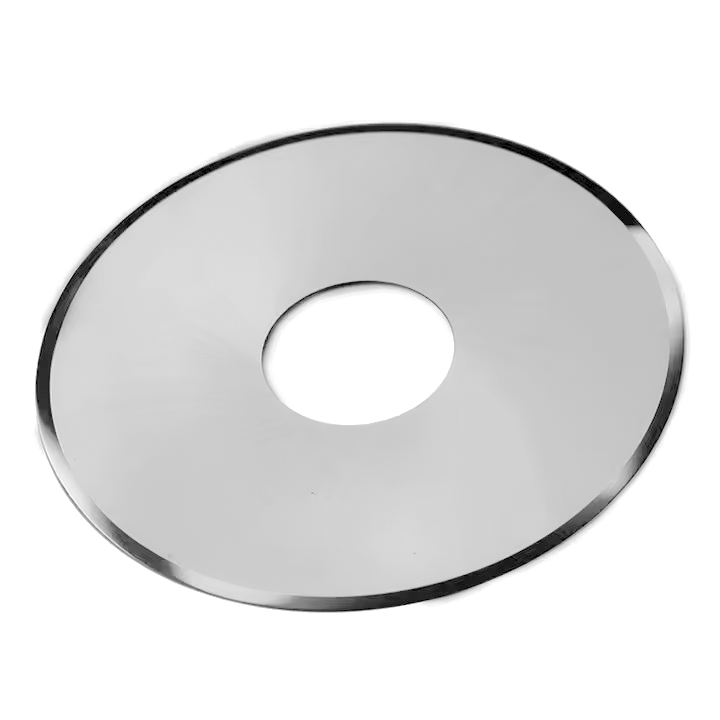
The remarkable versatility of circular slitting knives enables manufacturers to process an extraordinarily diverse range of materials using a single cutting platform, delivering flexibility that adapts to changing production requirements and market demands. This adaptability stems from the fundamental cutting mechanics of circular slitting knives, which employ a rotational shearing action that effectively separates materials regardless of their specific composition, thickness, or physical properties. Thin films measuring just 12 microns in thickness can be slit with the same equipment configuration that handles robust materials up to 3 millimeters thick, simply by adjusting cutting parameters such as blade overlap, pressure settings, and operational speed. Plastic films including polyethylene terephthalate, polyethylene, polypropylene, polyvinyl chloride, and polyamide variants all respond excellently to circular slitting knife processing, yielding clean edges without the melting or deformation that can occur with thermal cutting methods. Paper products spanning tissue-grade materials to heavy cardboard substrates can be efficiently processed, with the circular slitting knife maintaining consistent performance across the entire density spectrum. Metallic foils composed of aluminum, copper, or composite laminates used in battery manufacturing, electromagnetic shielding, and food packaging applications are routinely slit using specialized circular slitting knives designed for the unique challenges these materials present. Textile fabrics, both woven and non-woven varieties, can be divided into precise widths for garment production, industrial applications, and medical products. Adhesive tapes, labels, and pressure-sensitive materials that pose challenges for many cutting methods due to their sticky nature are successfully processed by circular slitting knives equipped with appropriate release coatings. Composite materials combining multiple layers of dissimilar substances, such as laminated packaging films with barrier layers, are cleanly separated without delamination when proper circular slitting knife specifications and settings are employed. The ability to switch between different materials with minimal downtime provides tremendous operational flexibility, allowing manufacturers to respond quickly to customer orders without maintaining separate dedicated slitting lines for each material type. This versatility reduces capital equipment investment requirements while maximizing asset utilization rates. The circular slitting knife's performance remains consistent across varying ambient conditions, processing materials effectively in both climate-controlled environments and standard production facilities. Seasonal humidity variations that affect some materials have minimal impact on cutting quality when using properly maintained circular slitting knives. The wide processing window of circular slitting knives accommodates material property variations that occur between different production lots, maintaining quality standards without requiring constant parameter adjustments. This forgiving nature simplifies operator training and reduces the expertise required to achieve acceptable results.
 EN
EN