Application Versatility and Operational Efficiency Benefits
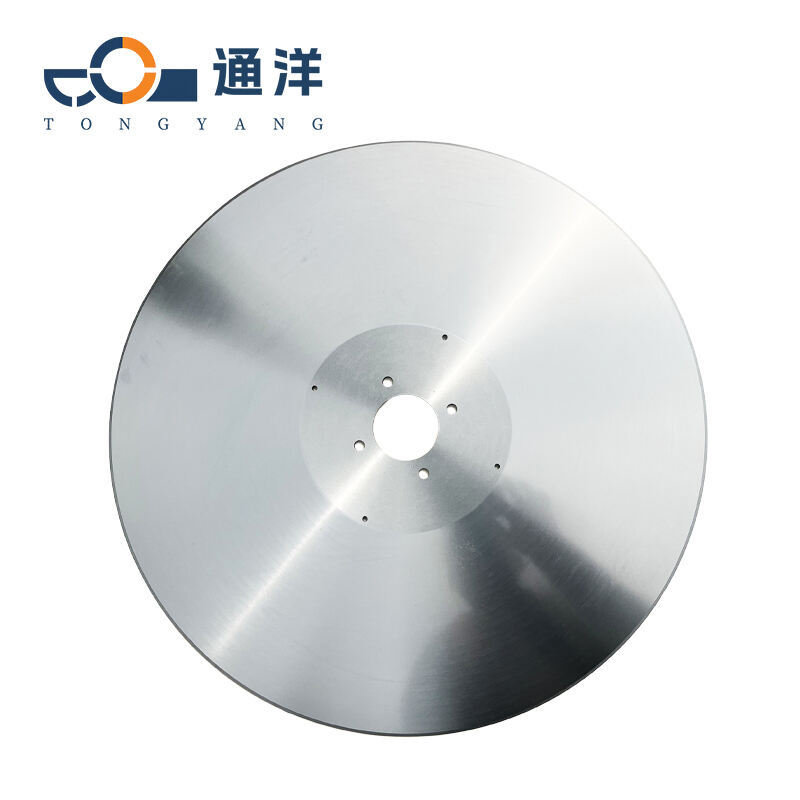
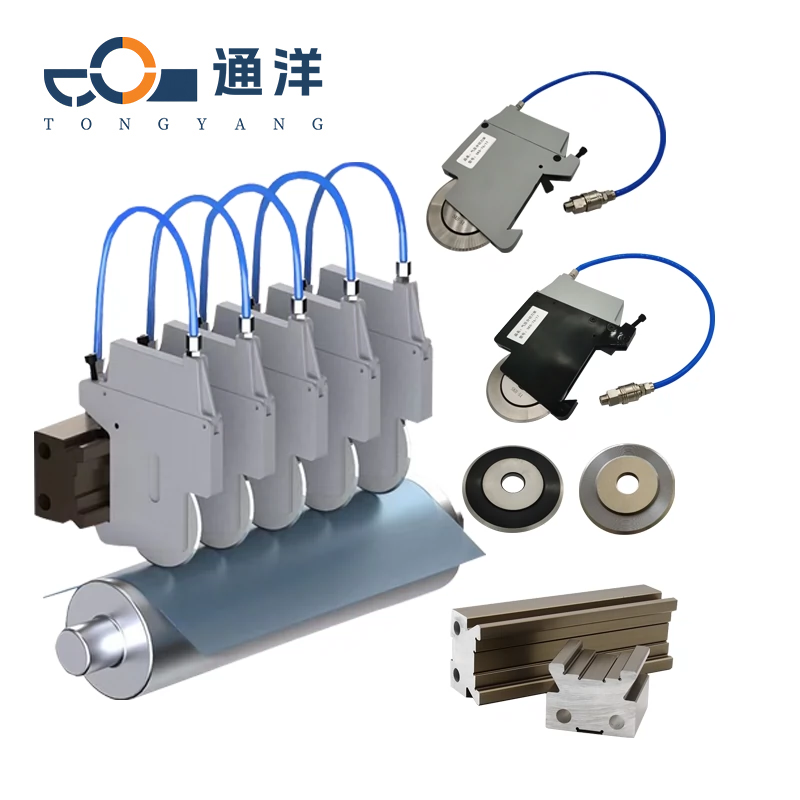
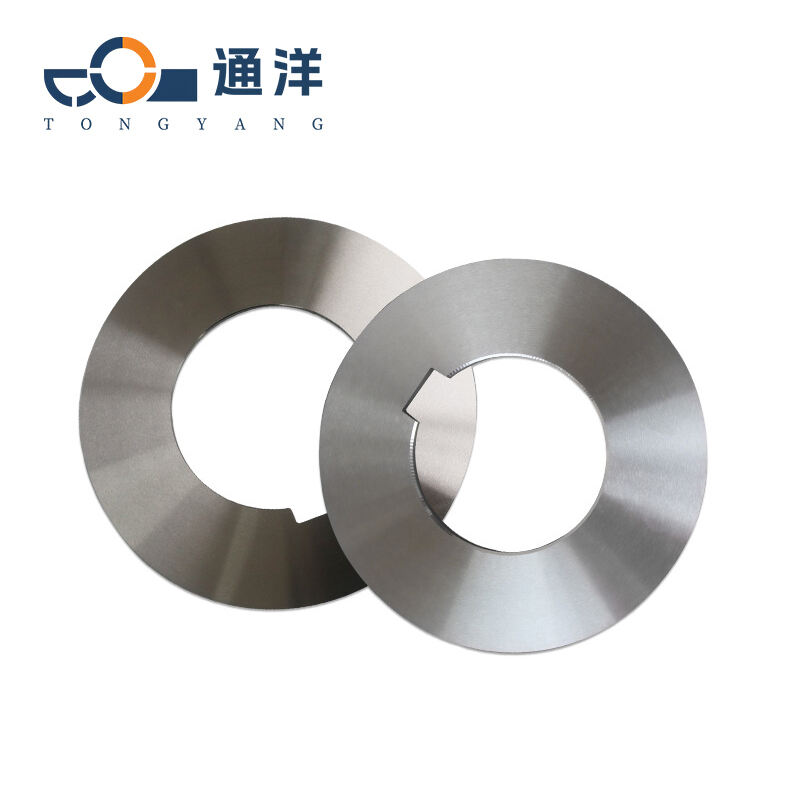
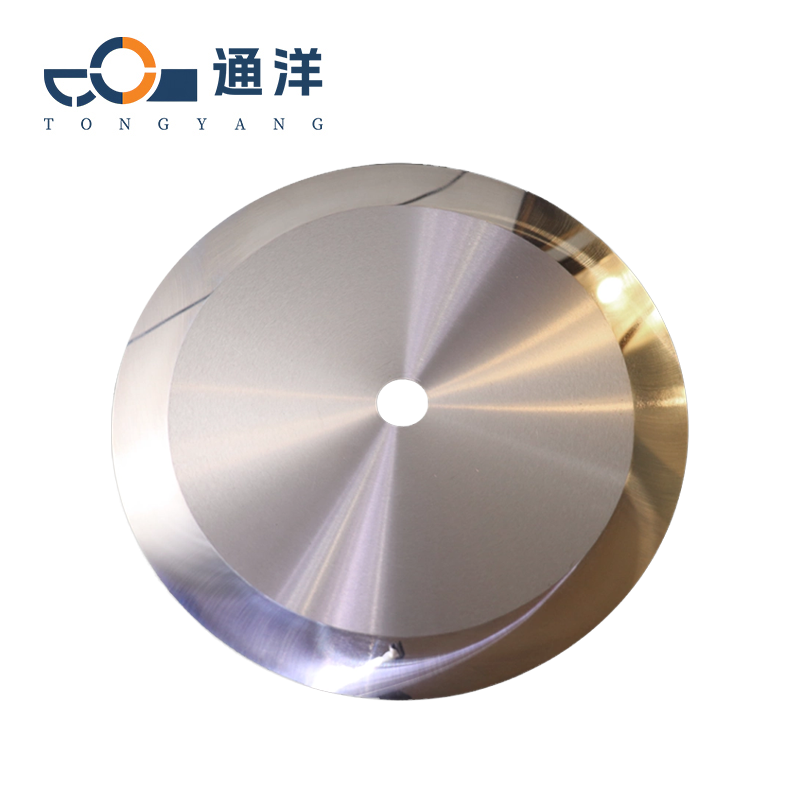
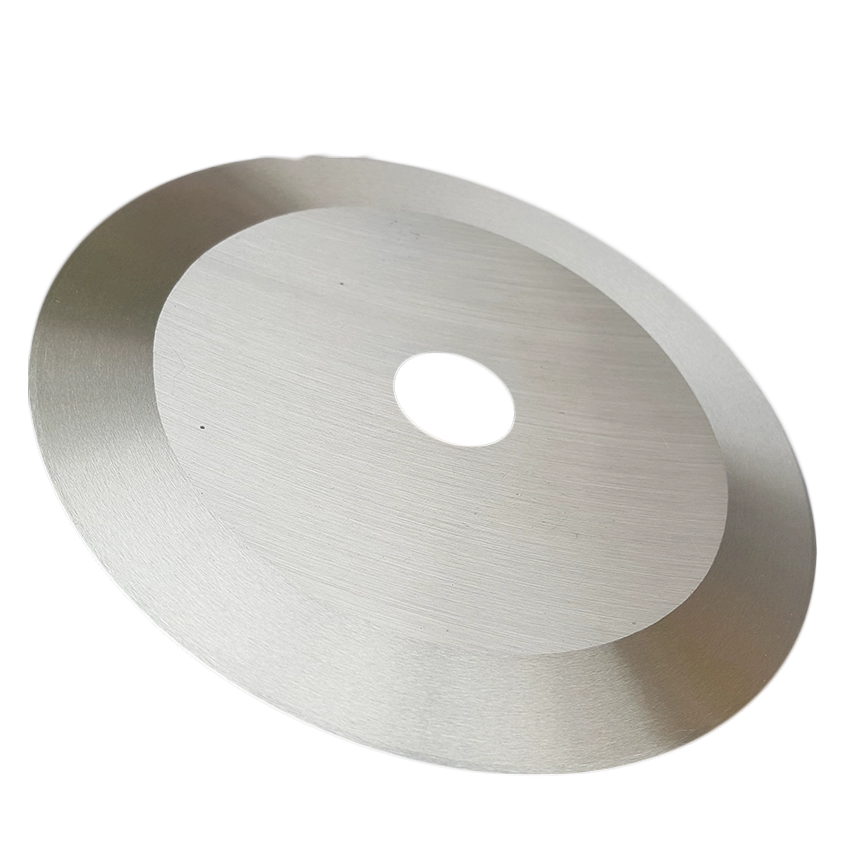
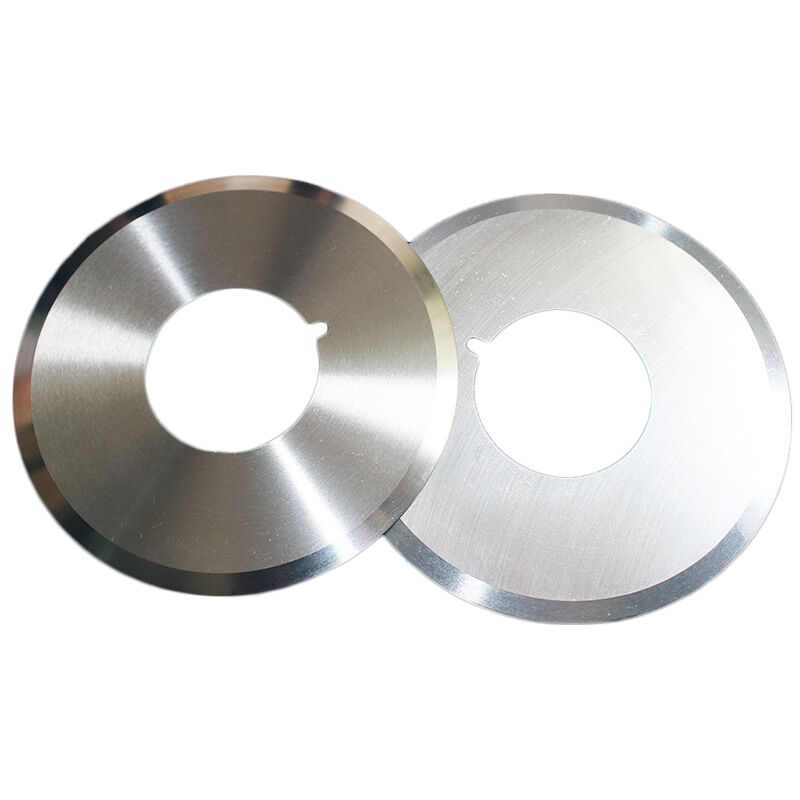
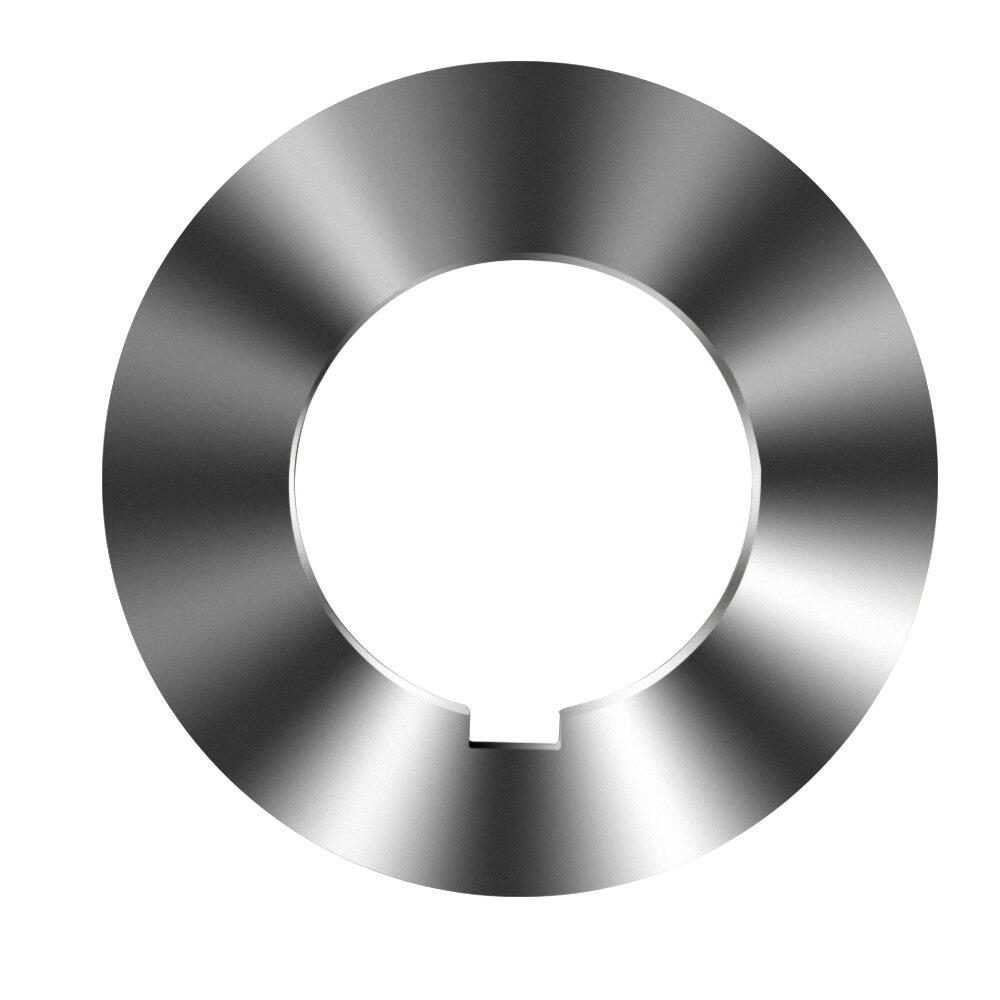
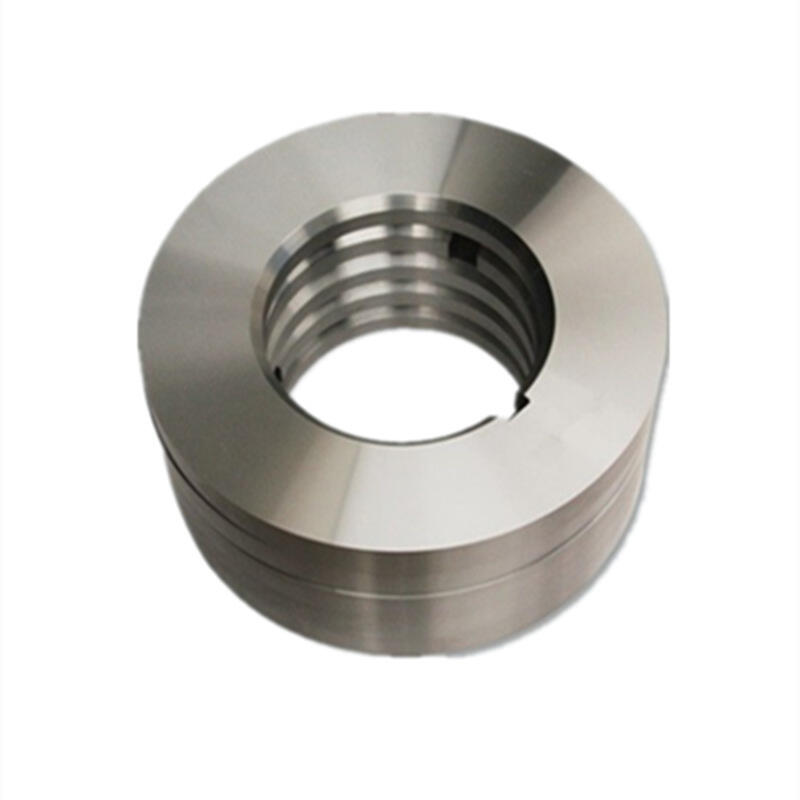
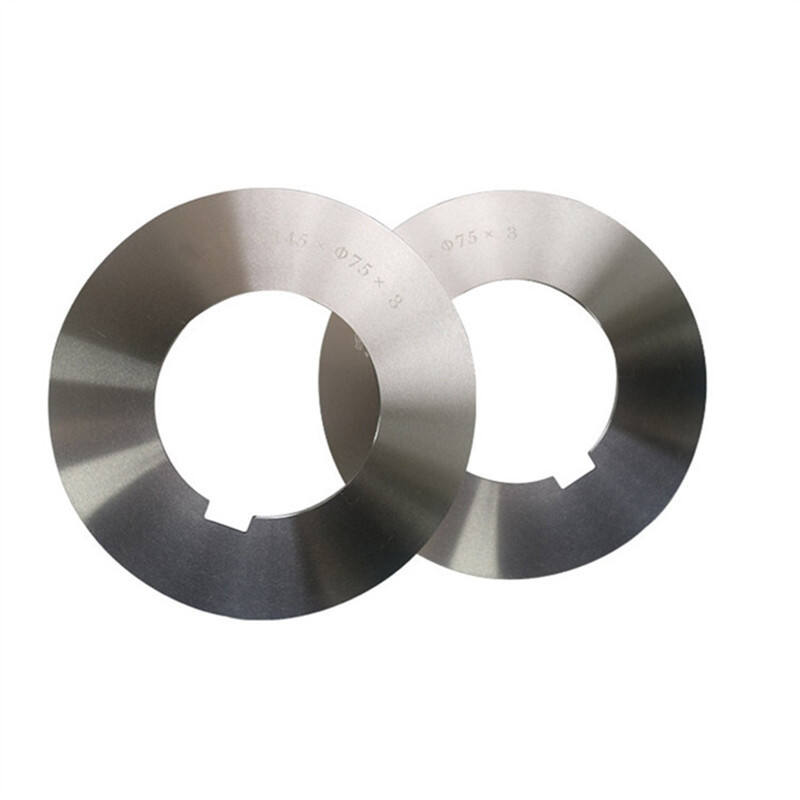
The remarkable versatility of modern metal sheet slitting blade technology enables manufacturers to process an extensive range of materials, thicknesses, and widths within a single production facility, providing the operational flexibility that competitive markets demand. A well-configured metal sheet slitting blade system can seamlessly transition from cutting thin aluminum foils measuring just 0.05 millimeters to heavy-gauge steel plates exceeding 6 millimeters thick, accommodating the diverse requirements of different customer orders without requiring completely different equipment setups. This adaptability stems from the availability of metal sheet slitting blade options in various diameters, typically ranging from 100 to 400 millimeters, with thickness options from 3 to 20 millimeters to match specific material gauges and production speeds. The ability to quickly change blade configurations means your production team can respond rapidly to order variations, minimizing setup time and maximizing the productive utilization of your slitting equipment. When processing challenging materials like high-strength steel alloys, stainless steel, or abrasive-coated metals, specialized metal sheet slitting blade grades and coatings provide the enhanced wear resistance needed to maintain cost-effective operations. The operational efficiency gains extend beyond material versatility to include significant improvements in production economics through reduced scrap rates and improved material yield. Because quality metal sheet slitting blades produce consistently accurate strip widths with minimal edge trim requirements, you extract maximum value from each metal coil, directly improving your material utilization percentages and reducing waste disposal costs. The extended service life characteristic of premium metal sheet slitting blade products means fewer production interruptions for blade changes or sharpening operations, which translates into higher overall equipment effectiveness and improved on-time delivery performance. Moreover, the reduced cutting forces required by properly designed and maintained metal sheet slitting blades decrease energy consumption per ton of processed material, contributing to lower operating costs and supporting corporate sustainability initiatives. The predictable performance degradation curve of quality blades enables you to implement condition-based maintenance strategies rather than arbitrary time-based replacements, further optimizing operational costs. For companies operating multiple slitting lines, standardizing on proven metal sheet slitting blade suppliers and specifications simplifies inventory management, reduces procurement complexity, and ensures consistent quality across all production assets. The technical support typically available from specialized metal sheet slitting blade manufacturers provides valuable assistance with application optimization, troubleshooting cut quality issues, and developing cutting parameters for new materials, effectively extending your engineering capabilities without adding permanent staff.
 EN
EN