Premium Metal Cutting Blade Solutions - Professional Grade Precision Cutting Tools

All Categories

Get a Free Quote

Our representative will contact you soon.
Email
WhatsApp
Name
Company Name
Message
0/1000

metal cutting blade

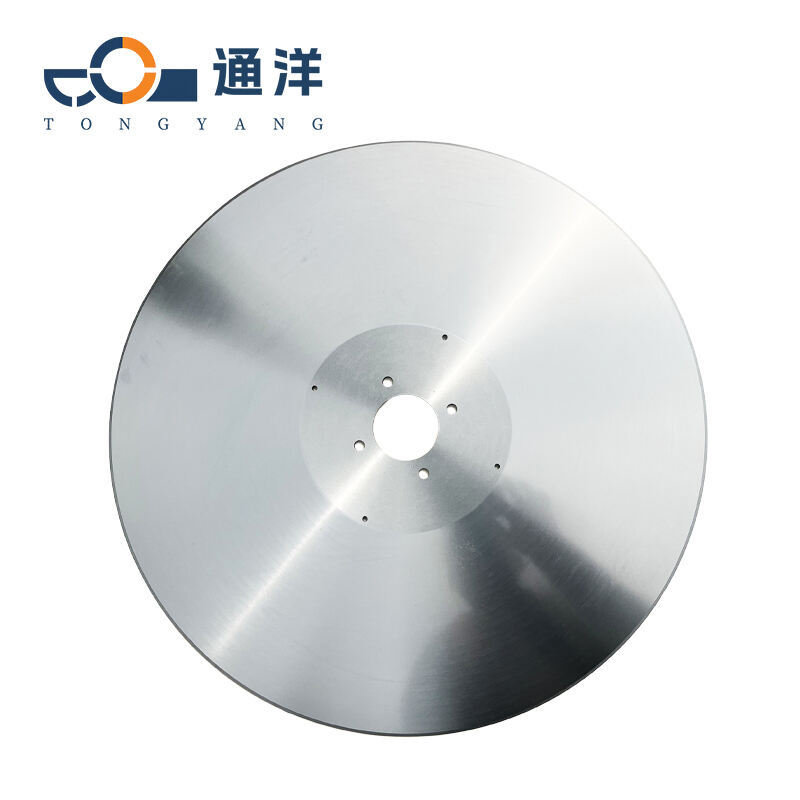
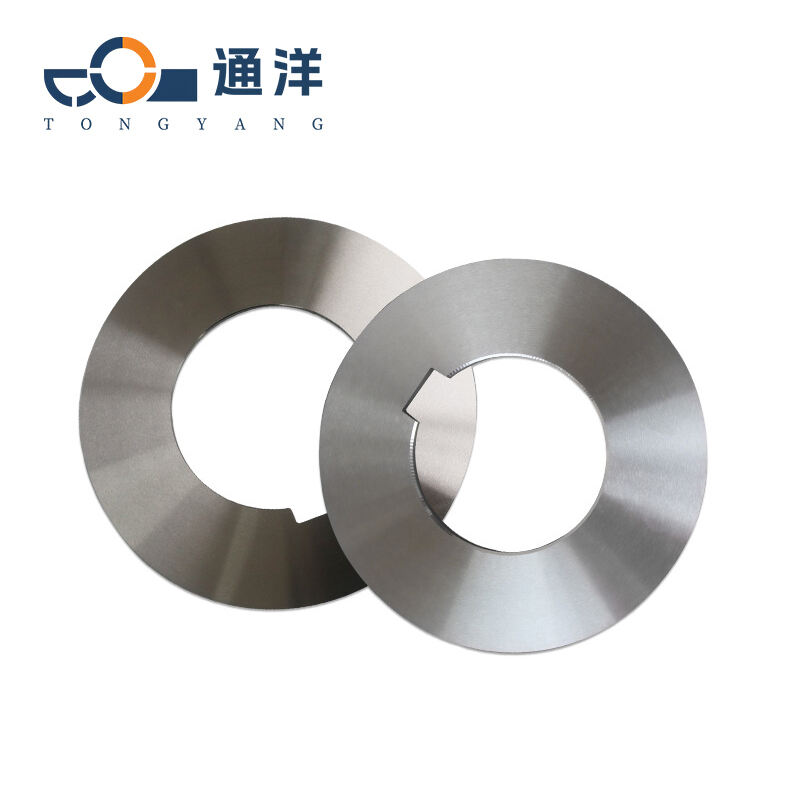
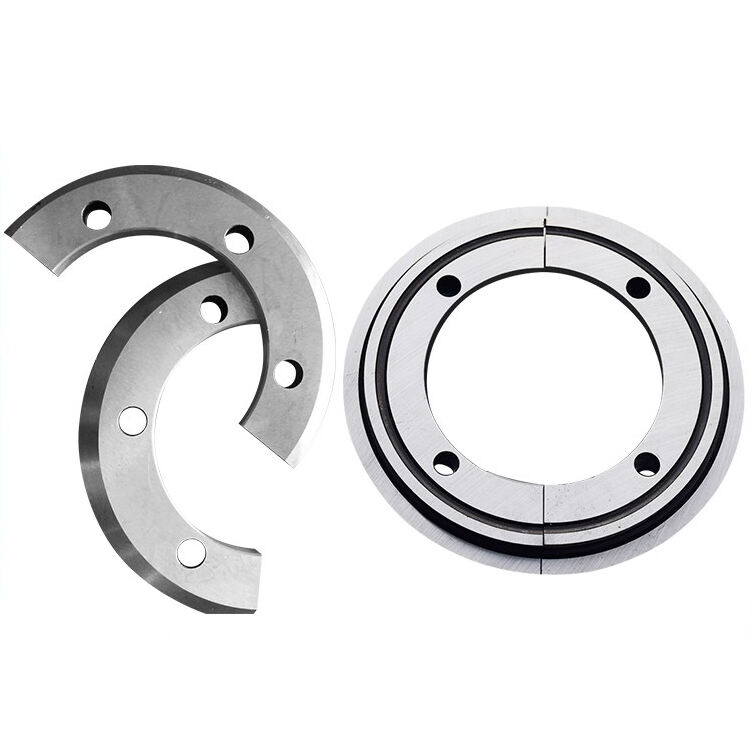
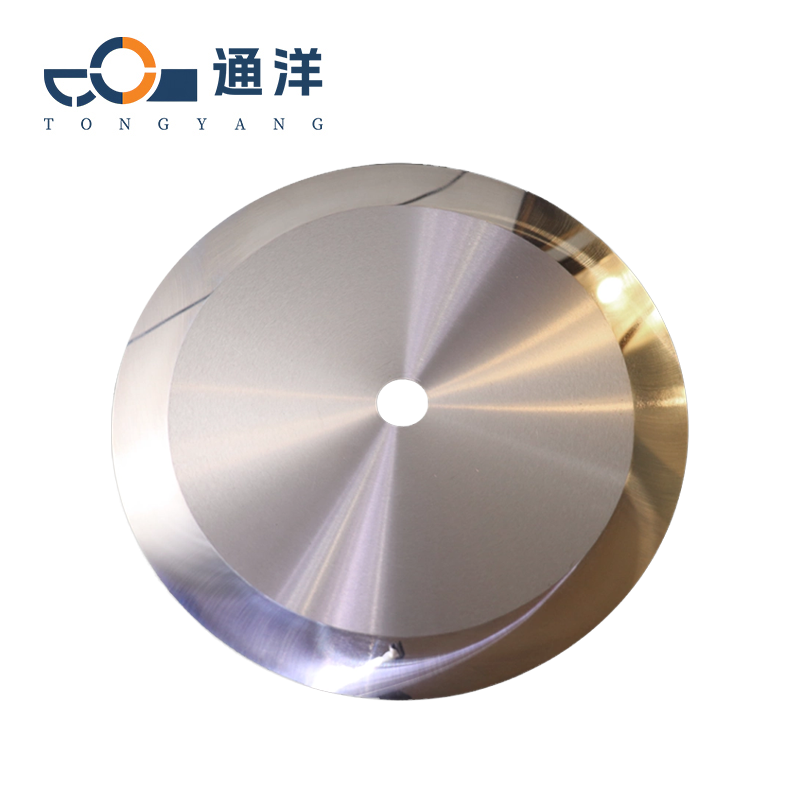
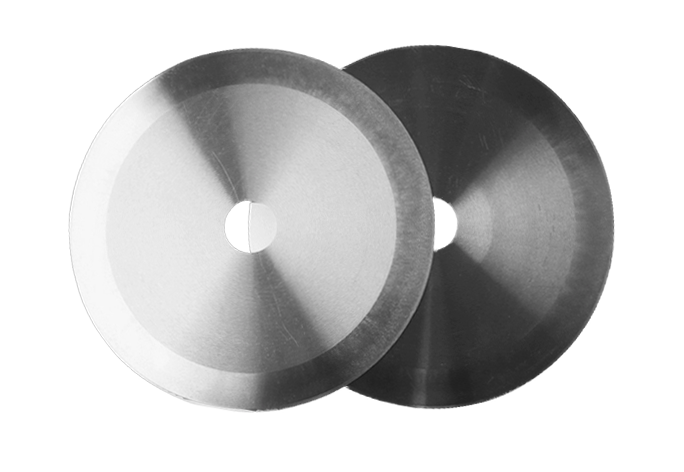
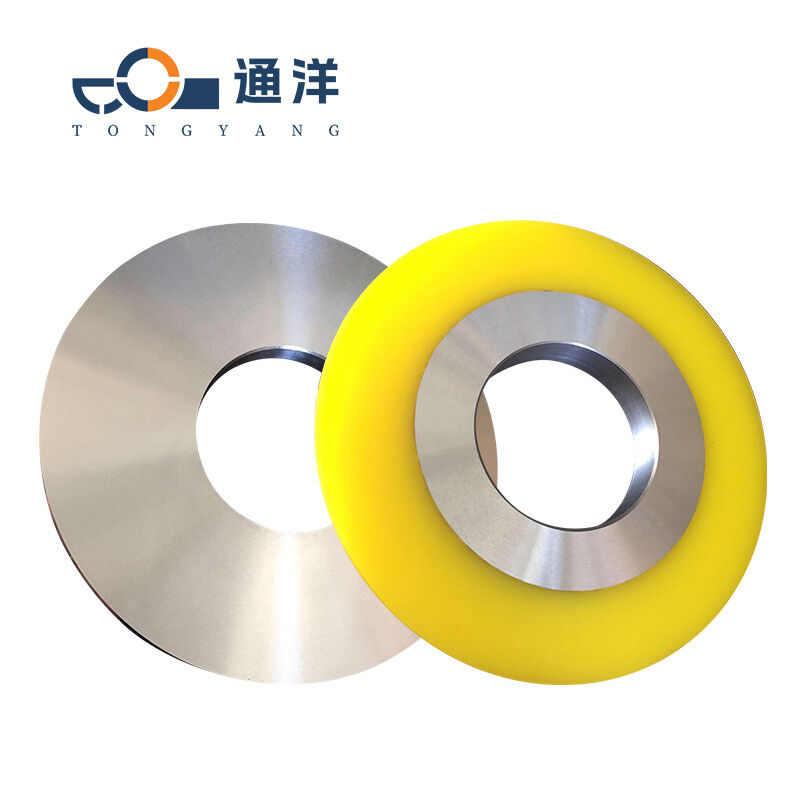
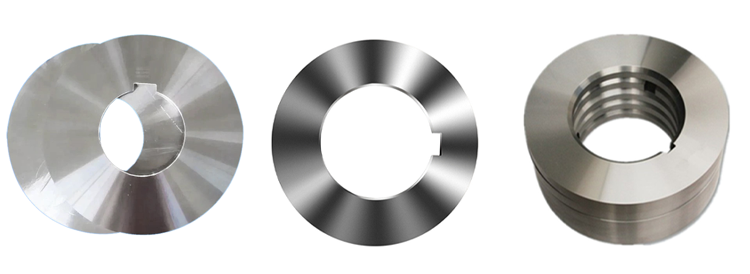
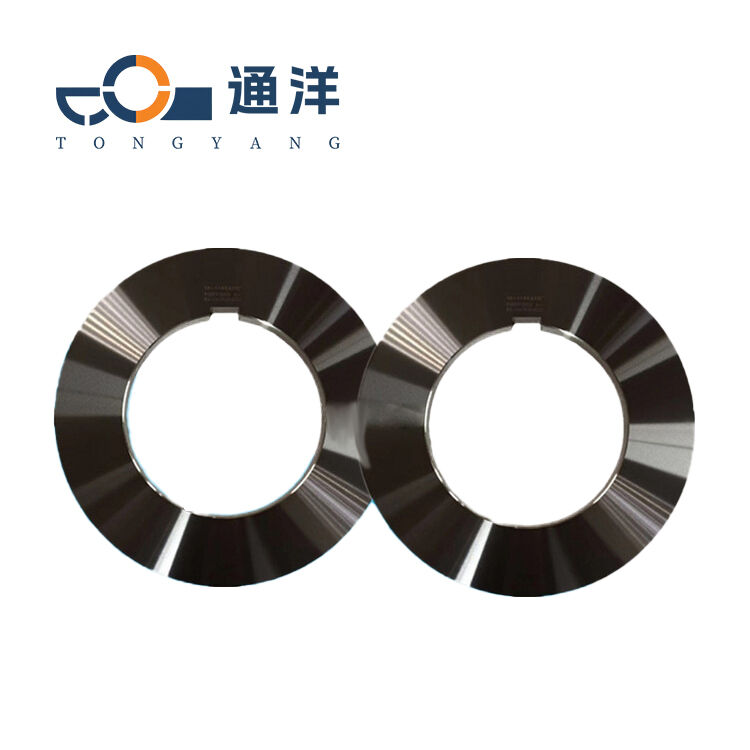
A metal cutting blade represents an essential tool in modern manufacturing, construction, and metalworking industries, designed specifically to slice through various types of metals with precision and efficiency. This specialized cutting implement features carefully engineered teeth or abrasive materials that enable it to penetrate hard metal surfaces while maintaining structural integrity throughout the cutting process. Metal cutting blades come in numerous configurations, including circular saw blades, band saw blades, reciprocating saw blades, and abrasive cut-off wheels, each optimized for specific applications and metal types. The primary function of a metal cutting blade revolves around creating clean, accurate cuts in materials ranging from soft aluminum and copper to hardened steel and stainless steel alloys. These blades utilize advanced tooth geometries, specialized coatings, and precise manufacturing techniques to deliver consistent performance across diverse cutting scenarios. Technological features incorporated into modern metal cutting blade designs include carbide-tipped teeth that maintain sharpness longer than conventional steel, vibration-dampening slots that reduce noise and improve cut quality, and heat-dissipating coatings that prevent warping during extended use. Many professional-grade metal cutting blades also incorporate laser-cut expansion slots that allow the blade to expand and contract during temperature changes without compromising cutting accuracy. Applications for metal cutting blades span numerous industries, from automotive repair shops cutting exhaust pipes and body panels to construction sites slicing through structural steel beams and metal roofing materials. Fabrication workshops rely on these blades for creating precise components, while maintenance professionals use them for demolition and renovation projects. The versatility of metal cutting blade technology allows operators to work with sheet metal, pipes, tubes, bars, and profiles of varying thicknesses. Selecting the appropriate metal cutting blade requires consideration of factors such as the metal type being cut, material thickness, desired cut quality, and the power tool being used, ensuring optimal performance and safety in every application.

New Product Releases

Investing in quality metal cutting blade technology delivers substantial practical benefits that directly impact your productivity and bottom line. First and foremost, these specialized blades dramatically reduce cutting time compared to using general-purpose cutting tools, allowing you to complete projects faster and take on more work. The precision engineering behind each metal cutting blade ensures that your cuts remain straight and accurate, eliminating the need for extensive finishing work that wastes valuable time and materials. This accuracy translates into less material waste, as you can maximize the usable portions of expensive metal stock without ruining pieces through imprecise cuts. The durability of modern metal cutting blades means you will replace them less frequently, reducing your ongoing operational costs and minimizing downtime associated with blade changes. Advanced tooth designs and specialized coatings enable these blades to stay sharper for extended periods, maintaining consistent cutting performance throughout their lifespan rather than degrading quickly like inferior alternatives. Safety represents another significant advantage, as purpose-built metal cutting blades generate fewer sparks and less heat than abrasive wheels, creating a safer work environment for operators. The reduced heat generation also prevents damage to the metal being cut, preserving its structural properties and eliminating discoloration that requires additional finishing steps. Metal cutting blades produce cleaner edges with minimal burring, which means less grinding and deburring work after cutting, saving labor hours and reducing worker fatigue. The versatility of these blades allows you to tackle multiple metal types with a single tool setup, eliminating the need to switch between different cutting methods for different materials. This adaptability streamlines your workflow and reduces the number of specialized tools you need to purchase and maintain. Modern metal cutting blade designs also operate more quietly than traditional cutting methods, creating a more comfortable work environment and helping you comply with noise regulations in residential or urban settings. The smooth cutting action reduces vibration transmitted to the operator and the tool, resulting in better cut quality and less operator fatigue during extended use. Furthermore, these blades work efficiently with both corded and cordless power tools, giving you the flexibility to work in locations without immediate power access. The cost-effectiveness becomes apparent when you calculate the total cost per cut rather than just the initial purchase price, as premium metal cutting blades deliver thousands of cuts before requiring replacement. Finally, the consistent performance of quality metal cutting blades helps you build a reputation for precision work, potentially attracting more discerning clients who value craftsmanship and accuracy in their metal fabrication projects.

Tips And Tricks

What is the difference between a combination blade and a ripping or crosscutting blade?

25

Mar

What is the difference between a combination blade and a ripping or crosscutting blade?

What is the Difference Between a Combination Blade and a Ripping or Crosscutting Blade? In woodworking, the type of saw blade you use directly affects the quality of your cuts, the efficiency of your work, and even the lifespan of your tools. Three c...
View More
Industrial Corrugated Cardboard Cutting Blade Selection Tips

25

Mar

Industrial Corrugated Cardboard Cutting Blade Selection Tips

Selecting the right cutting blade for corrugated cardboard processing operations represents a critical decision that directly impacts production efficiency, product quality, and operational costs. Industrial facilities handling large volumes of corru...
View More
Comparing Steel vs Ceramic Paper Cutting Blades

30

Mar

Comparing Steel vs Ceramic Paper Cutting Blades

When selecting the right paper cutting blade for industrial or commercial applications, the choice between steel and ceramic materials represents one of the most critical decisions affecting cut quality, operational efficiency, and long-term costs. E...
View More
How to Sharpen Your Circular Knife: Step-by-Step Guide

30

Apr

How to Sharpen Your Circular Knife: Step-by-Step Guide

Maintaining the sharpness of your circular knife is essential for achieving clean, precise cuts in industrial and commercial applications. Whether you work in rubber processing, textile manufacturing, paper cutting, or food production, a dull circula...
View More

Get a Free Quote

Our representative will contact you soon.
Email
WhatsApp
Name
Company Name
Message
0/1000

metal cutting blade

Superior Cutting Speed and Efficiency

Superior Cutting Speed and Efficiency

The exceptional cutting speed delivered by advanced metal cutting blade technology fundamentally transforms how quickly you can complete metalworking projects, directly impacting your operational efficiency and profitability. Unlike conventional cutting methods that slowly grind through metal, these specialized blades feature precisely engineered tooth patterns that aggressively bite into metal while simultaneously clearing chips efficiently from the cutting path. This optimized tooth geometry creates a cutting action that slices through metal rather than abrading it away, resulting in cutting speeds that can be three to five times faster than traditional abrasive wheels. The increased speed does not come at the expense of control or accuracy, as the blade design maintains stable cutting dynamics even at higher feed rates. This speed advantage becomes particularly valuable when working on time-sensitive projects or when cutting large quantities of similar pieces, where even small improvements in cutting time multiply into substantial time savings across the entire job. The efficiency extends beyond raw cutting speed to include the elimination of secondary operations that other cutting methods require. When you use a metal cutting blade, the resulting edge quality often eliminates or significantly reduces the need for grinding, filing, or deburring operations that consume additional time and labor. The blade removes material in a controlled manner that minimizes work hardening of the cut edge, making any necessary finishing work proceed more quickly and with less tool wear. Additionally, the efficient cutting action generates less heat in the workpiece compared to abrasive cutting methods, which means you can handle cut pieces sooner without waiting for cooling periods, maintaining continuous workflow without interruptions. The speed and efficiency advantages also translate into reduced power consumption per cut, as the blade accomplishes more work with less energy input, potentially reducing your electrical costs over time. For professionals running busy shops, the ability to complete more cuts in a standard workday without sacrificing quality represents a direct path to increased revenue, as you can accept more projects or deliver completed work ahead of schedule. The efficiency gains become even more pronounced when cutting thicker materials, where the time difference between a metal cutting blade and alternative methods grows substantially, turning hours-long cutting operations into tasks completed in minutes.
Extended Blade Life and Durability

Extended Blade Life and Durability

The remarkable longevity of modern metal cutting blade construction delivers exceptional value by dramatically reducing how frequently you need to purchase replacement blades, lowering your operational costs while simultaneously minimizing production interruptions caused by blade changes. This durability stems from multiple advanced engineering approaches working in concert to resist the extreme forces and temperatures encountered during metal cutting operations. Premium metal cutting blades incorporate carbide tips or carbide-enriched tooth edges that maintain their cutting edge sharpness far longer than standard steel teeth, with some blades delivering thousands of linear feet of cutting before showing significant performance degradation. The carbide material resists the abrasive wear that rapidly dulls conventional blades, maintaining consistent cutting performance throughout the blade's usable life rather than experiencing the gradual performance decline typical of lesser quality alternatives. Beyond the tooth material itself, sophisticated heat treatment processes create blade bodies with optimal hardness and flexibility, allowing the blade to flex slightly under cutting stress without cracking or permanently deforming. This resilience proves particularly important when cutting materials of varying thickness or when encountering unexpected hard spots in metal stock that might damage more brittle blades. Many professional-grade metal cutting blades also feature specialized coatings applied through advanced processes like physical vapor deposition, creating ultra-thin protective layers that reduce friction, prevent corrosion, and dissipate heat more effectively. These coatings serve multiple purposes: they reduce the cutting force required, which decreases tooth stress and extends life; they prevent rust formation during storage, maintaining blade condition between uses; and they help chips slide off the blade more easily, preventing buildup that can affect cut quality. The blade body design itself contributes to longevity through features like laser-cut expansion slots and vibration-dampening holes that manage the thermal expansion occurring during cutting and reduce harmonic vibrations that can lead to premature tooth failure. This attention to thermal management prevents the warping and distortion that plague cheaper blades exposed to cutting heat, ensuring the blade remains flat and true even after extensive use. The extended service life translates into tangible economic benefits beyond just blade replacement costs, as each blade change requires stopping productive work, removing safety guards, swapping blades, and then re-establishing proper cutting parameters before resuming work. By reducing the frequency of these interruptions, durable metal cutting blades keep your operations running smoothly with fewer productivity losses, and they reduce the inventory of spare blades you need to maintain on hand, freeing up capital for other business needs.
Versatile Application Across Metal Types

Versatile Application Across Metal Types

The remarkable versatility of quality metal cutting blade designs enables you to tackle an impressive range of metal types and thicknesses with a single blade platform, eliminating the need to maintain extensive inventories of specialized cutting tools for different materials and significantly simplifying your tool selection process. This adaptability stems from carefully balanced tooth geometries and cutting angles that perform effectively across materials with vastly different hardness levels and cutting characteristics, from soft non-ferrous metals like aluminum and copper through mild steel and into challenging stainless steel alloys. When working with aluminum, the metal cutting blade efficiently clears the soft chips that this material produces, preventing the gumming and loading that can occur with inappropriate blade designs, while the same blade transitions seamlessly to cutting steel without requiring adjustment or blade changes. This cross-material capability proves invaluable in real-world working environments where projects often involve cutting multiple metal types, such as automotive repair work that might require cutting aluminum body panels, steel frame members, and stainless steel exhaust components all within the same repair job. The versatility extends to accommodating different material forms, as these blades cut effectively through solid bar stock, hollow tubes and pipes, angle iron, channel sections, sheet metal, and expanded metal mesh, adapting to whatever form your project materials take. Thickness versatility represents another crucial dimension of application range, with quality metal cutting blades performing well on thin sheet metal that requires delicate handling to prevent distortion, while also powering through thick structural members that demand aggressive cutting action. This thickness adaptability eliminates the common problem of needing different blades optimized for thin versus thick materials, streamlining your tool setup and reducing the learning curve for operators who might otherwise need to understand when to switch between specialized blades. The practical benefits of this versatility become apparent in fabrication shops and construction environments where material requirements change from job to job or even within a single project, as operators can maintain confidence that their metal cutting blade will handle whatever cutting challenges arise without requiring trips to acquire different tooling. The versatility also provides valuable insurance against unexpected cutting requirements, as you can confidently take on projects involving unfamiliar metal types knowing your blade will deliver acceptable results even if it is not perfectly optimized for that specific material. Furthermore, this broad application range makes metal cutting blades ideal for maintenance and repair scenarios where you might encounter unknown metal alloys or composite materials, as the blade design incorporates enough flexibility to cut various materials safely without the catastrophic failures that can occur when using grossly inappropriate cutting tools. For businesses managing tool inventories across multiple work sites or service vehicles, the ability to standardize on versatile metal cutting blades reduces the complexity and cost of maintaining adequate tool supplies everywhere they are needed, as fewer blade variations accomplish more cutting tasks effectively.

Get a Free Quote

Our representative will contact you soon.
Email
WhatsApp
Name
Company Name
Message
0/1000
Newsletter
Please Leave A Message With Us