Professional Metal Sheet Slitting Services - Precision Cutting & Custom Width Solutions

All Categories

Get a Free Quote

Our representative will contact you soon.
Email
WhatsApp
Name
Company Name
Message
0/1000

metal sheet slitting

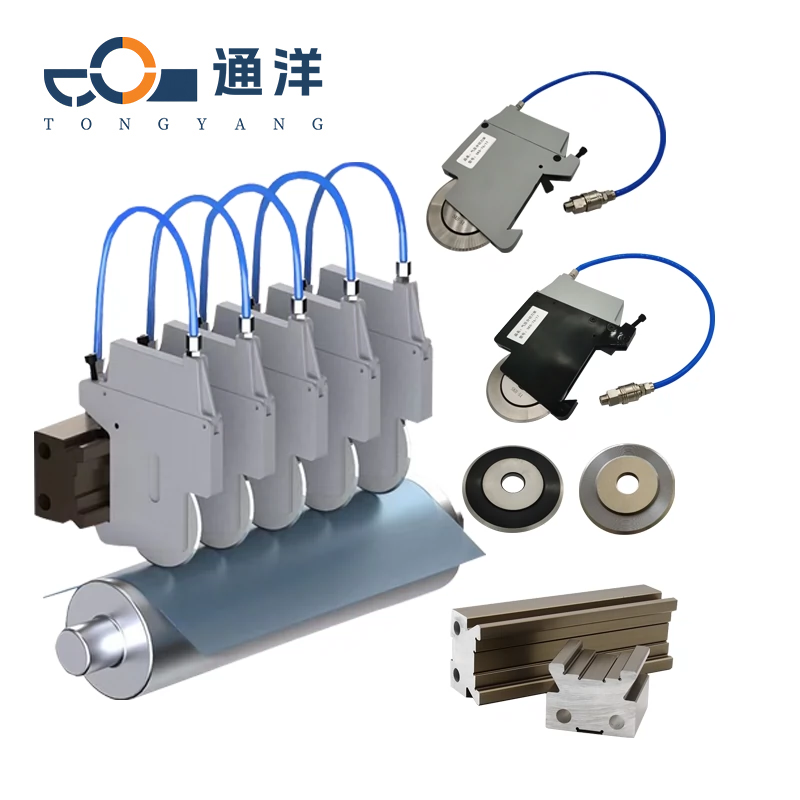
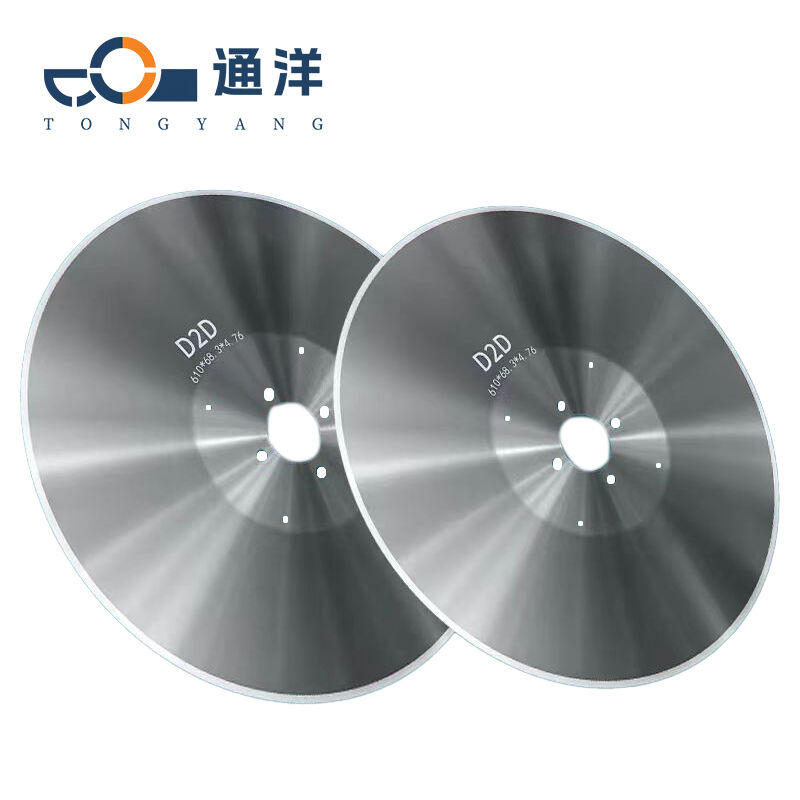
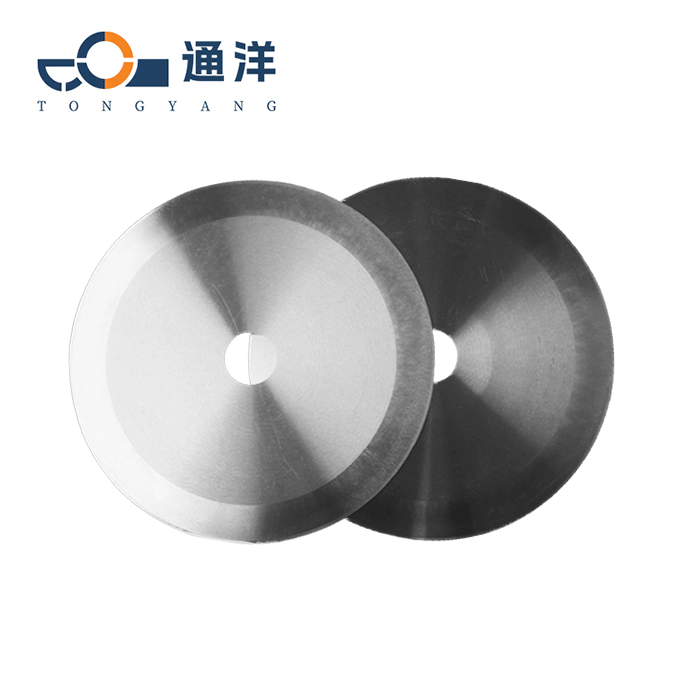
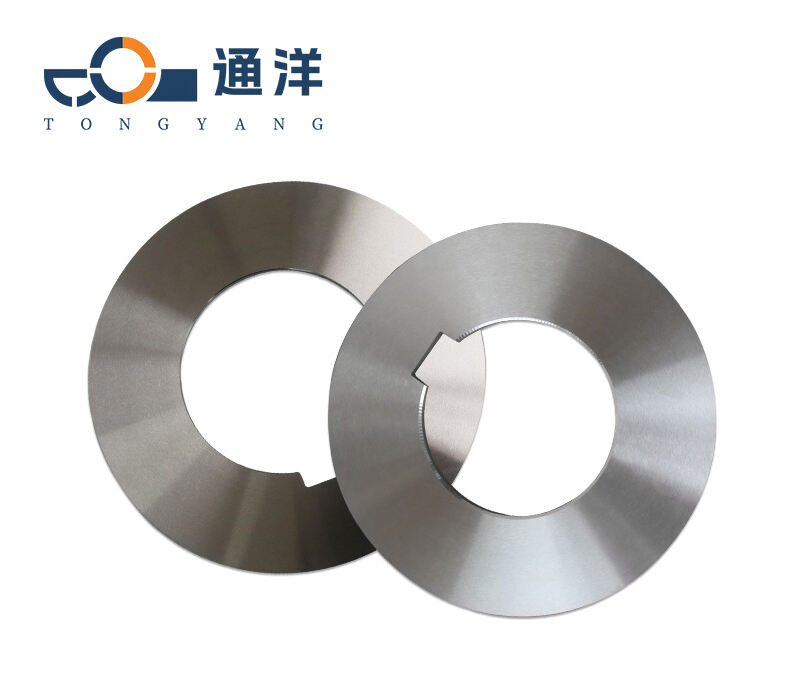
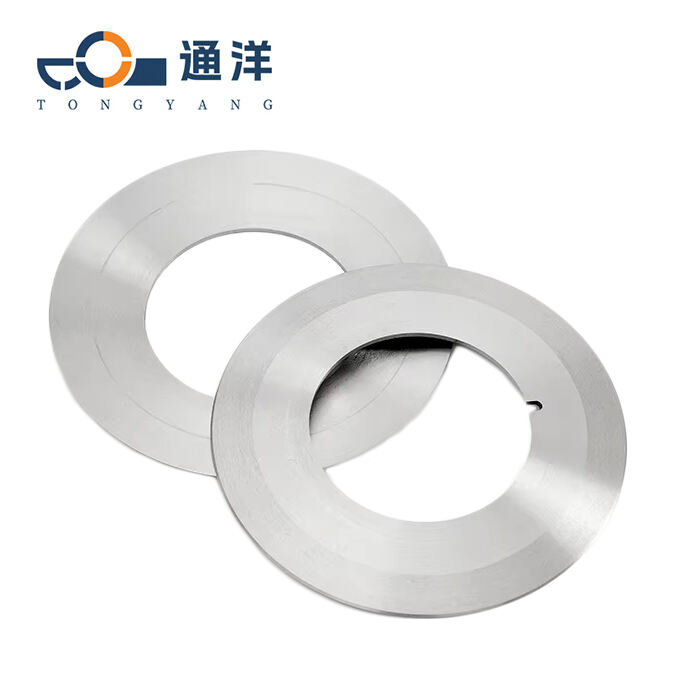
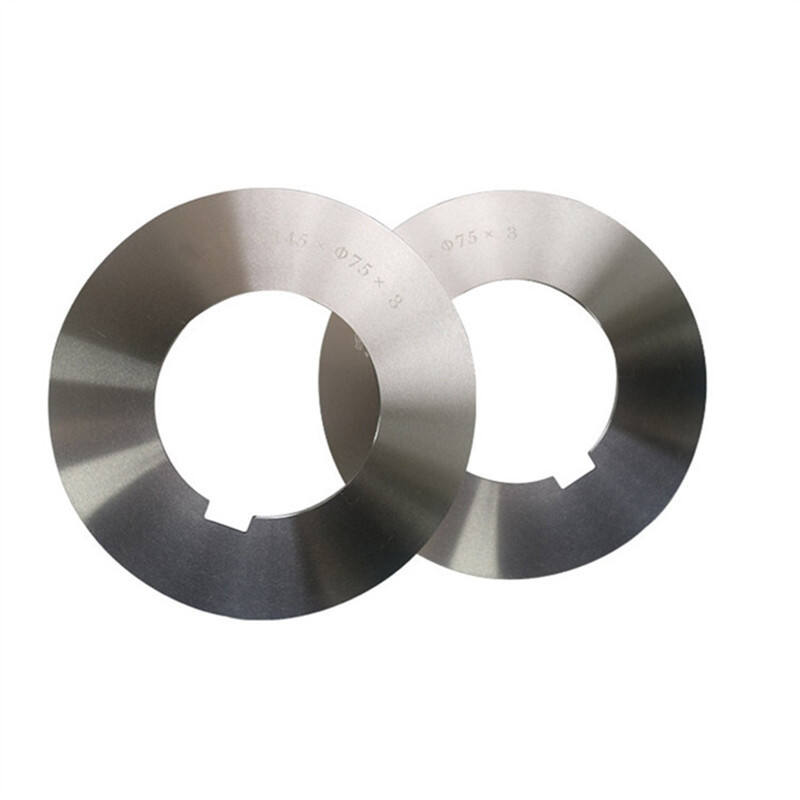
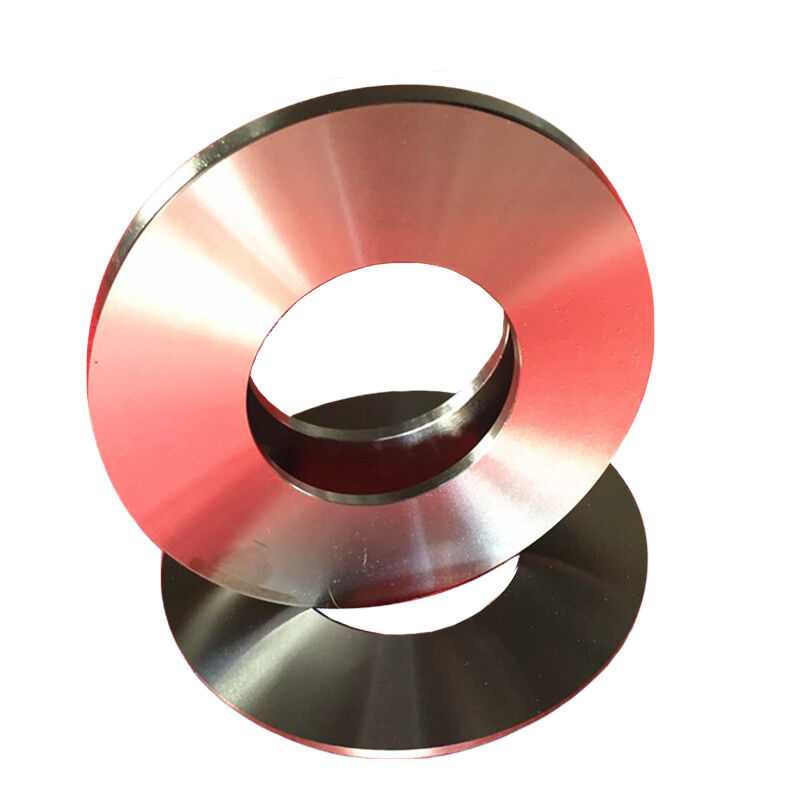
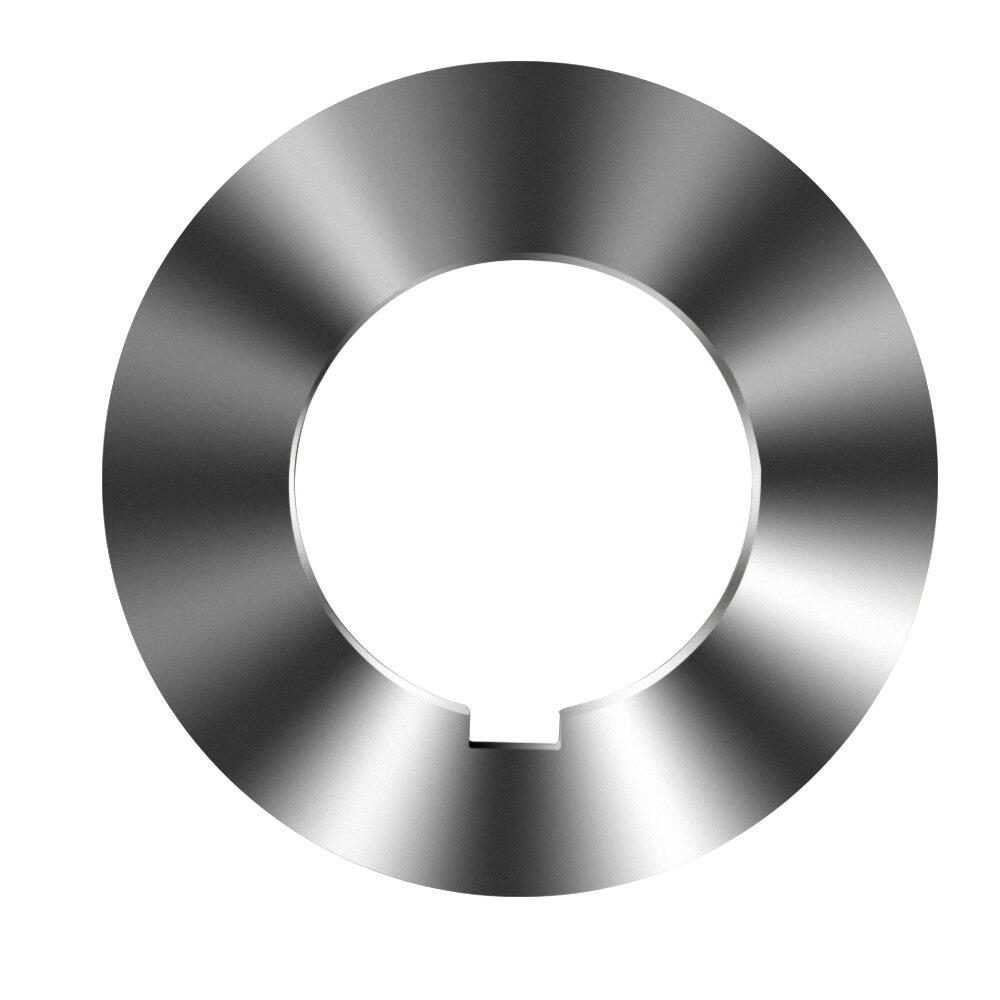
Metal sheet slitting represents a critical manufacturing process that transforms wide coils of metal into narrower, more manageable strips with precise dimensions. This specialized cutting technique serves industries worldwide by converting large master coils into custom widths that meet specific production requirements. The metal sheet slitting process involves feeding a wide metal coil through a series of circular blades mounted on arbors, which simultaneously cut the material into multiple narrower strips in a single pass. Modern metal sheet slitting equipment incorporates advanced tension control systems, automated positioning mechanisms, and precision blade technology to ensure consistent quality across every cut. The process handles various metal types including steel, aluminum, copper, brass, and stainless steel, accommodating different gauges and material properties. Metal sheet slitting machines typically feature adjustable cutting heads that allow operators to configure strip widths according to customer specifications, ranging from narrow strips measuring just millimeters to wider sections spanning several inches. The technological sophistication of contemporary metal sheet slitting systems includes computerized controls that monitor cutting parameters, edge quality, and dimensional accuracy throughout production runs. Safety features such as blade guards, emergency stops, and automated material handling systems protect operators while maintaining operational efficiency. The metal sheet slitting process proves essential for manufacturers who require materials in specific widths for their production lines, eliminating waste and reducing inventory costs. Recoiling systems integrated into metal sheet slitting lines wind the finished strips onto individual cores, creating neat coils ready for shipping or further processing. Quality control measures during metal sheet slitting ensure burr-free edges, consistent width tolerances, and proper coil tension. The versatility of metal sheet slitting equipment allows processors to handle coated materials, pre-painted metals, and specialty alloys without damaging surface finishes.

Popular Products

Choosing metal sheet slitting for your material processing needs delivers substantial economic benefits that directly impact your bottom line. By converting wide coils into exact widths required for your manufacturing processes, metal sheet slitting eliminates material waste that occurs when purchasing pre-cut strips in non-optimal dimensions. This precision cutting approach means you pay only for the metal you actually use, rather than trimming excess material and discarding valuable resources. The cost savings extend beyond raw material efficiency, as metal sheet slitting reduces handling time in your facility by delivering production-ready strips that feed directly into your fabrication equipment. Your production teams spend less time measuring, marking, and cutting materials manually, allowing them to focus on value-added manufacturing activities that increase throughput. Metal sheet slitting services provide flexibility that inventory management teams appreciate, enabling you to order exactly the quantities and widths needed for specific projects without maintaining expensive stockpiles of various strip sizes. This just-in-time approach frees up valuable warehouse space and reduces capital tied up in inventory. The consistent quality achieved through professional metal sheet slitting ensures every strip meets your dimensional specifications, reducing reject rates and rework costs in your production processes. Modern metal sheet slitting operations deliver clean, burr-free edges that often require no additional finishing, saving you secondary processing steps and associated labor costs. The speed of metal sheet slitting equipment means faster turnaround times for your orders, helping you meet tight production schedules and respond quickly to customer demands. When you partner with experienced metal sheet slitting providers, you gain access to expertise in material handling, tension control, and edge quality management without investing in expensive equipment or specialized training. The scalability of metal sheet slitting services accommodates both small prototype runs and large production volumes, giving you flexibility as your business needs change. Environmental benefits accompany the economic advantages, as metal sheet slitting minimizes scrap generation and supports sustainable manufacturing practices. The improved material utilization reduces your carbon footprint while maintaining the high-quality standards your customers expect. Transportation costs decrease when materials arrive pre-slit to your specifications, as properly sized coils optimize shipping container space and reduce freight expenses.

Tips And Tricks

5 Best Metal Cutting Blade Options for DIY Projects

25

Mar

5 Best Metal Cutting Blade Options for DIY Projects

Choosing the right metal cutting blade can make the difference between a successful DIY project and a frustrating experience filled with poor cuts and damaged materials. Whether you're working on home renovations, crafting custom metalwork, or tackli...
View More
How to Extend Your Film Slitting Blade Lifespan

25

Mar

How to Extend Your Film Slitting Blade Lifespan

Manufacturing operations that rely on precise film cutting know that blade performance directly impacts production efficiency and product quality. A well-maintained film slitting blade can significantly reduce downtime, minimize material waste, and e...
View More
How to Choose the Perfect Metal Cutting Blade: Pro Guide

06

May

How to Choose the Perfect Metal Cutting Blade: Pro Guide

Selecting the right metal cutting blade is a critical decision that directly impacts production efficiency, cut quality, blade lifespan, and overall operational costs in industrial metalworking operations. Whether you're processing thin gauge steel, ...
View More
Leather Cutting Blade Maintenance: Essential Tips

30

Apr

Leather Cutting Blade Maintenance: Essential Tips

Proper maintenance of your leather cutting blade directly determines the quality of your cuts, the longevity of your equipment, and the efficiency of your production workflow. Whether you operate a small leather workshop or manage a large-scale manuf...
View More

Get a Free Quote

Our representative will contact you soon.
Email
WhatsApp
Name
Company Name
Message
0/1000

metal sheet slitting

Precision Engineering for Superior Edge Quality

Precision Engineering for Superior Edge Quality

The edge quality achieved through professional metal sheet slitting stands as a defining characteristic that separates industrial-grade processing from inferior cutting methods. Advanced circular blade technology employed in metal sheet slitting operations creates smooth, consistent edges that meet the strictest quality standards demanded by modern manufacturing applications. The rotary cutting action of precision-ground blades produces edges with minimal burr formation, often eliminating the need for secondary deburring operations that add time and expense to production workflows. Edge quality directly affects how materials perform in subsequent manufacturing processes, influencing everything from welding integrity to coating adhesion and final product appearance. Metal sheet slitting systems maintain blade sharpness through regular maintenance protocols and automated blade positioning that ensures optimal cutting geometry throughout production runs. The relationship between blade overlap, clearance settings, and material properties requires deep technical knowledge that experienced metal sheet slitting operators apply to each job. Proper blade selection for specific materials and gauges prevents edge defects such as rough cuts, rolled edges, or work-hardened zones that compromise material performance. Temperature control during metal sheet slitting prevents heat-affected zones that can alter material properties near cut edges, preserving the metallurgical characteristics essential for demanding applications. The consistency of edge quality across thousands of linear feet of metal sheet slitting production ensures that every coil segment performs identically in your manufacturing processes, reducing variability and improving final product quality. Sophisticated tension control systems integrated into metal sheet slitting equipment prevent edge wave, center buckle, and other flatness issues that interfere with automated feeding systems in stamping presses, roll forming equipment, and other downstream processes. The investment in precision tooling and calibration equipment that professional metal sheet slitting operations maintain delivers edge quality that manual cutting methods simply cannot match. When edge quality matters for your application, whether for safety-critical components, aesthetic requirements, or functional performance, metal sheet slitting provides the consistency and precision your specifications demand.
Versatile Material Handling Across Metal Types

Versatile Material Handling Across Metal Types

The remarkable versatility of metal sheet slitting technology enables processing of an extensive range of materials, gauges, and surface finishes that span the complete spectrum of industrial metals. From soft aluminum alloys used in architectural applications to high-strength steel grades required for structural components, metal sheet slitting equipment adapts to diverse material characteristics through adjustable parameters and specialized tooling configurations. This adaptability means a single metal sheet slitting operation can serve multiple industries, from automotive and aerospace to electronics and construction, handling the specific materials each sector requires. Stainless steel processing through metal sheet slitting demands particular attention to blade materials and cutting parameters to prevent work hardening and maintain the corrosion-resistant properties that make stainless valuable. Coated and pre-painted metals receive special handling during metal sheet slitting to protect surface finishes from scratches, scuffs, or coating damage that would render the material unusable for appearance-sensitive applications. The gauge range capability of modern metal sheet slitting lines extends from thin foils measuring just thousandths of an inch to heavy-gauge plate materials exceeding quarter-inch thickness, accommodating virtually any production requirement. Copper and brass materials processed through metal sheet slitting benefit from specialized blade geometries that account for the unique ductility and work-hardening characteristics of non-ferrous metals. Material-specific expertise within metal sheet slitting operations ensures optimal processing parameters for each alloy family, preventing common issues like edge cracking in brittle materials or excessive burr formation in ductile metals. The ability to process both ferrous and non-ferrous materials makes metal sheet slitting operations valuable partners for manufacturers who work with multiple material types. Specialty alloys including titanium, nickel-based superalloys, and exotic metals find proper handling in experienced metal sheet slitting facilities equipped with appropriate tooling and technical knowledge. Width flexibility in metal sheet slitting accommodates everything from narrow strips for precision components to wide sections for architectural panels, typically ranging from fractions of an inch to several feet. Coil weight capacity in industrial metal sheet slitting equipment handles master coils weighing tens of thousands of pounds, enabling efficient processing of large material volumes.
Automated Precision for Consistent Production Quality

Automated Precision for Consistent Production Quality

The integration of advanced automation technology into modern metal sheet slitting operations transforms material processing from a labor-intensive craft into a precisely controlled manufacturing science. Computer numerical control systems govern every aspect of the metal sheet slitting process, from blade positioning and cutting speed to tension management and coil winding, ensuring reproducible results across production runs. This automation eliminates human error variables that compromise consistency in manual operations, delivering strips that meet dimensional specifications within tolerances measured in thousandths of an inch. Automated blade positioning in metal sheet slitting equipment allows rapid changeover between different strip width configurations, reducing setup time and enabling economical processing of smaller order quantities. The programmable controls store setup parameters for recurring jobs, enabling operators to recall proven cutting recipes that guarantee consistent results for repeat orders. Real-time monitoring systems integrated into automated metal sheet slitting lines track critical parameters including strip width, edge quality, coil tension, and line speed, alerting operators to any deviations before they result in material waste. Statistical process control capabilities within sophisticated metal sheet slitting systems collect production data that supports continuous improvement initiatives and quality documentation requirements. Automated tension control represents perhaps the most critical aspect of quality metal sheet slitting, maintaining precisely balanced forces across multiple strips simultaneously to prevent edge stretching, center looseness, or coil telescoping. Sensor technology monitors strip tension continuously during metal sheet slitting operations, making instantaneous adjustments that human operators could never achieve manually. The precision of automated metal sheet slitting equipment supports lean manufacturing principles by reducing variability, minimizing waste, and ensuring predictable production schedules. Integration capabilities allow modern metal sheet slitting systems to communicate with enterprise resource planning software, providing real-time production status, inventory updates, and quality metrics that support data-driven decision making. Automated material handling systems reduce physical demands on operators while improving workplace safety during metal sheet slitting operations, mechanizing the movement of heavy coils and finished strips. The consistency achieved through automated metal sheet slitting proves especially valuable for manufacturers operating just-in-time production systems where material variability can disrupt carefully synchronized manufacturing schedules.

Get a Free Quote

Our representative will contact you soon.
Email
WhatsApp
Name
Company Name
Message
0/1000
Newsletter
Please Leave A Message With Us