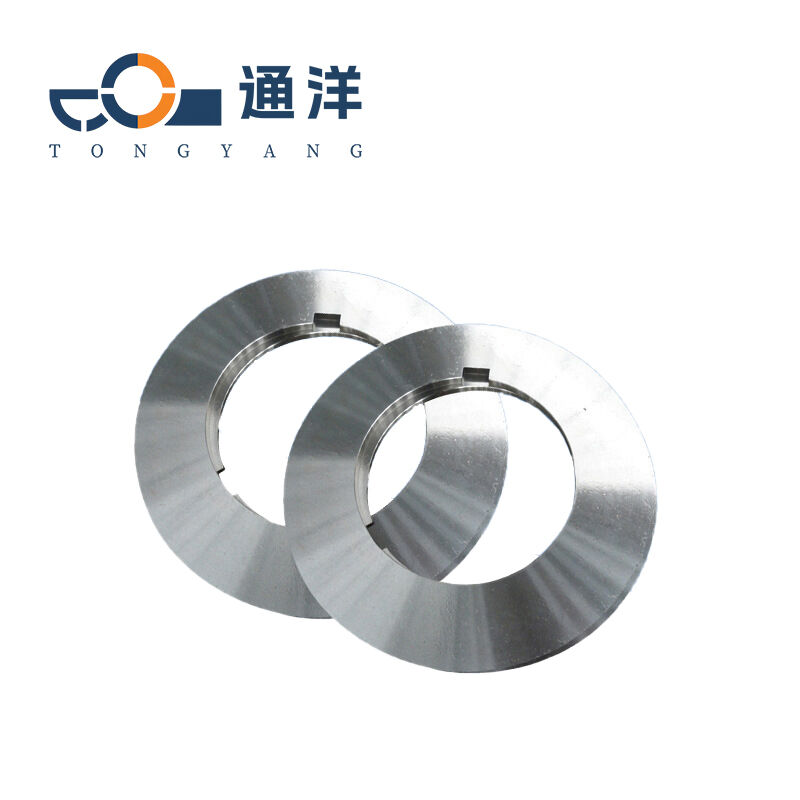
Professional 14 In Metal Cutting Blade - High-Performance Industrial Cutting Solutions

All Categories

Get a Free Quote

Our representative will contact you soon.
Email
WhatsApp
Name
Company Name
Message
0/1000

14 in metal cutting blade

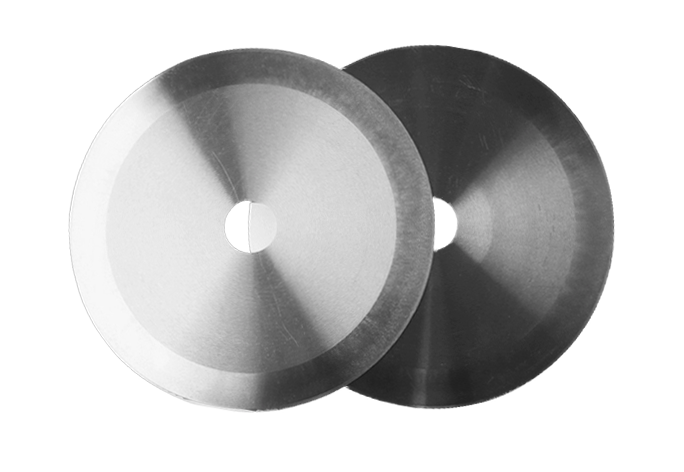
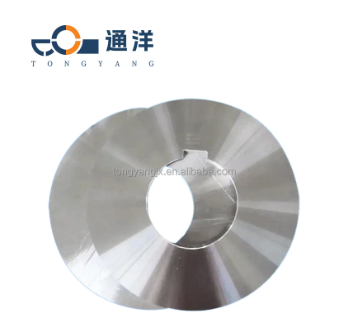
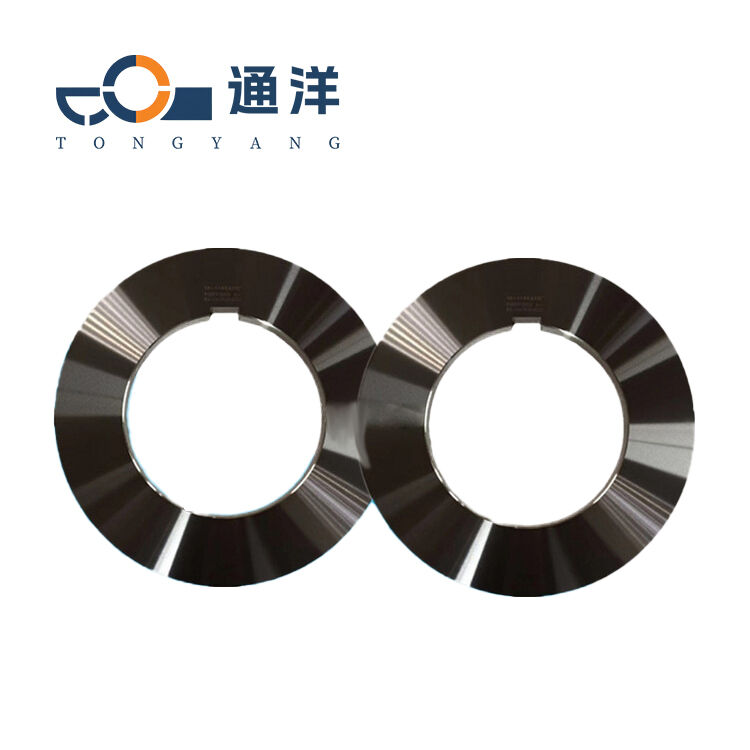
The 14 in metal cutting blade represents a professional-grade cutting solution designed specifically for metalworking applications across residential, commercial, and industrial settings. This cutting tool combines precision engineering with robust construction to deliver consistent performance when working with various metal types including steel, aluminum, copper, and iron. The blade diameter of fourteen inches provides an optimal balance between cutting capacity and maneuverability, making it suitable for both stationary workshop equipment and portable cutting tools. Manufactured using advanced metallurgy techniques, the 14 in metal cutting blade incorporates specialized tooth geometry that reduces friction while maximizing cutting efficiency. The blade's core construction features carefully calibrated expansion slots that dissipate heat generated during operation, preventing warping and extending operational lifespan. Modern iterations of the 14 in metal cutting blade utilize carbide-tipped teeth or full-body carbide construction, offering superior hardness ratings that maintain sharpness through extended use. The technological features embedded within these blades include anti-vibration dampening systems, precision-ground cutting surfaces, and optimized gullet designs that facilitate efficient chip removal. Applications for the 14 in metal cutting blade span multiple industries, from automotive repair shops performing exhaust system modifications to construction sites cutting structural steel components. Metal fabrication facilities rely on these blades for producing precise cuts in sheet metal, tubing, and angle iron, while HVAC technicians use them for ductwork installation. The versatility of the 14 in metal cutting blade extends to demolition work, where contractors need to section metal fixtures and components. Professional welders and metal artists also depend on these blades for preparing materials and achieving clean cuts that require minimal finishing work. The blade's compatibility with various cutting equipment, including chop saws, miter saws, and circular saws designed for metal cutting, enhances its practical utility across diverse work environments.

Popular Products

Investing in a quality 14 in metal cutting blade delivers numerous practical benefits that directly impact your work efficiency and project outcomes. The primary advantage centers on cutting speed, as these specialized blades slice through metal materials significantly faster than conventional cutting methods like hacksaws or reciprocating saws. This time savings translates directly into increased productivity, allowing you to complete more projects within your working hours and potentially increase your earning capacity. The precision offered by a 14 in metal cutting blade ensures cleaner cuts with minimal burr formation, reducing the time you spend on secondary finishing operations like grinding or filing. This clean-cutting capability proves especially valuable when working on visible components or projects requiring tight tolerances where measurement accuracy matters. The durability factor represents another compelling advantage, as properly maintained blades deliver hundreds or even thousands of cuts before requiring replacement. This longevity reduces your ongoing tool expenses and minimizes work interruptions for blade changes. The 14 in metal cutting blade also enhances workplace safety compared to alternative cutting methods. The blade's design generates fewer sparks than abrasive cutting wheels, reducing fire hazards in environments containing flammable materials. The reduced spark production also means less cleanup time and lower risk of burns or eye injuries to operators working nearby. The straight, controlled cutting action minimizes kickback risks that plague some other cutting tools, providing operators with better control throughout the cutting process. Versatility stands out as a practical benefit since one 14 in metal cutting blade handles multiple metal types without requiring equipment changes. You can transition from cutting aluminum window frames to steel pipe sections using the same blade, streamlining your tool inventory and reducing setup time between different tasks. The blade's fourteen-inch diameter provides sufficient cutting depth for most common metal stock sizes, eliminating the need to make multiple passes or reposition materials. This single-pass cutting capability improves cut accuracy while reducing material handling time. The cost-effectiveness becomes apparent when comparing the per-cut expense of using a 14 in metal cutting blade against alternative methods. While the initial blade investment may seem substantial, the total number of cuts achieved spreads this cost across numerous projects, resulting in lower operational expenses over time. The reduced power consumption compared to plasma cutters or other powered alternatives further decreases operating costs, particularly important for high-volume cutting operations. Environmental considerations also favor the 14 in metal cutting blade, as it produces minimal dust and eliminates the toxic fumes associated with torch cutting methods, creating a healthier workspace for you and your team.

Tips And Tricks

5 Best Metal Cutting Blade Options for DIY Projects

25

Mar

5 Best Metal Cutting Blade Options for DIY Projects

Choosing the right metal cutting blade can make the difference between a successful DIY project and a frustrating experience filled with poor cuts and damaged materials. Whether you're working on home renovations, crafting custom metalwork, or tackli...
View More
2025 Guide: Choosing the Right Slitter Blades for Your Industry

09

Apr

2025 Guide: Choosing the Right Slitter Blades for Your Industry

Selecting the appropriate slitter blades for your specific industry applications represents a critical decision that directly impacts operational efficiency, product quality, and overall production costs. Industrial cutting operations across manufact...
View More
How to Sharpen Your Circular Knife: Step-by-Step Guide

30

Apr

How to Sharpen Your Circular Knife: Step-by-Step Guide

Maintaining the sharpness of your circular knife is essential for achieving clean, precise cuts in industrial and commercial applications. Whether you work in rubber processing, textile manufacturing, paper cutting, or food production, a dull circula...
View More
Leather Cutting Blade Maintenance: Essential Tips

30

Apr

Leather Cutting Blade Maintenance: Essential Tips

Proper maintenance of your leather cutting blade directly determines the quality of your cuts, the longevity of your equipment, and the efficiency of your production workflow. Whether you operate a small leather workshop or manage a large-scale manuf...
View More

Get a Free Quote

Our representative will contact you soon.
Email
WhatsApp
Name
Company Name
Message
0/1000

14 in metal cutting blade

Superior Cutting Performance Through Advanced Tooth Design

Superior Cutting Performance Through Advanced Tooth Design

The cutting performance of a 14 in metal cutting blade depends critically on its tooth configuration, which represents one of the most important distinguishing features separating professional-grade options from basic alternatives. Manufacturers engineer tooth geometry using sophisticated computer modeling to optimize the cutting angle, rake angle, and clearance angle for specific metal types and thicknesses. The tooth count on a 14 in metal cutting blade typically ranges from sixty to ninety teeth, with higher tooth counts delivering smoother cuts on thinner materials while lower counts provide faster cutting on thicker stock. Each individual tooth undergoes precision grinding to maintain consistent height and sharpness across the entire blade circumference, ensuring uniform cutting pressure and preventing uneven wear patterns. The carbide tips brazed onto premium blade bodies contain carefully formulated alloy compositions that balance hardness with impact resistance, preventing tooth breakage when encountering hard spots or inclusions within metal workpieces. The gullet depth between consecutive teeth plays a crucial role in chip evacuation, with properly sized gullets preventing chip packing that would otherwise generate excessive heat and friction. Advanced blade designs incorporate variable tooth spacing patterns that break up harmonic vibrations, dramatically reducing the noise levels generated during cutting operations while simultaneously improving cut quality. The cutting face geometry includes specific relief angles that minimize friction between the blade and workpiece, reducing heat buildup that could otherwise cause blade expansion and binding. Some premium 14 in metal cutting blade models feature triple-chip tooth designs where alternating teeth use different cutting angles to share the workload more efficiently, extending blade life while maintaining cutting speed. The micro-grain carbide used in top-tier blades exhibits superior wear resistance compared to standard carbide formulations, maintaining sharp cutting edges through significantly more cuts before requiring replacement or resharpening. The relationship between tooth design and cutting performance becomes immediately apparent during operation, as properly engineered blades require less feeding pressure, generate less heat, and produce straighter cuts with better edge quality than inferior alternatives.
Heat Management Technology for Extended Operational Life

Heat Management Technology for Extended Operational Life

Heat generation represents the primary enemy of blade longevity, making thermal management technology a critical feature of any quality 14 in metal cutting blade. During cutting operations, friction between the blade teeth and metal workpiece generates substantial thermal energy that can quickly elevate blade temperature to levels that compromise structural integrity and cutting performance. Premium blade manufacturers address this challenge through multiple integrated design features working synergistically to dissipate heat efficiently. Expansion slots cut into the blade body from the outer edge toward the center arbor hole allow the blade to expand uniformly as temperatures rise, preventing the warping and distortion that would otherwise occur as the metal expands. These slots follow carefully calculated patterns, often incorporating curved or angled configurations rather than simple straight cuts, to maintain blade rigidity while providing thermal expansion capacity. The number, length, and placement of these expansion slots result from extensive testing and engineering analysis specific to the fourteen-inch diameter and intended metal cutting applications. Some advanced 14 in metal cutting blade designs incorporate additional cooling holes positioned between expansion slots, further enhancing heat dissipation by increasing surface area and promoting air circulation across the blade body during rotation. The blade body thickness itself contributes to heat management, with specifications optimized to balance rigidity against heat retention characteristics. Thicker bodies resist deflection and vibration but retain more heat, while thinner profiles dissipate heat more readily but may flex under cutting loads, requiring precise engineering to achieve optimal balance. Advanced coating technologies applied to premium blades provide additional thermal management benefits. These specialized coatings reduce friction coefficients between the blade and workpiece, directly decreasing heat generation at the cutting interface. Some coatings also enhance thermal conductivity, helping transfer heat away from cutting edges toward the blade body where larger surface areas facilitate dissipation. The arbor hole design contributes to thermal management by ensuring proper blade mounting that maintains consistent clearances and alignment, preventing localized heating from blade wobble or runout. Proper heat management extends blade operational life dramatically, with well-designed thermal features enabling a 14 in metal cutting blade to deliver three to five times more cuts than thermally compromised alternatives before requiring replacement.
Versatile Compatibility Across Multiple Cutting Platforms

Versatile Compatibility Across Multiple Cutting Platforms

The practical value of a 14 in metal cutting blade extends beyond its cutting capabilities to encompass its compatibility with various cutting equipment platforms, making it an exceptionally versatile addition to any metalworking toolkit. This fourteen-inch diameter specification aligns with industry-standard equipment sizing, ensuring the blade fits properly on dedicated metal-cutting chop saws, also known as abrasive chop saws or cut-off saws, which are specifically designed for metalworking applications. These stationary cutting platforms provide stable mounting and appropriate rotational speeds for optimal blade performance when sectioning metal stock. The 14 in metal cutting blade also integrates seamlessly with portable metal-cutting circular saws, offering professionals the flexibility to bring cutting capability directly to job sites rather than transporting materials back to shop facilities. This portability advantage proves invaluable for field installation work, remote repair operations, and situations where material size or weight makes transportation impractical. The standard arbor hole sizing, typically one inch or twenty millimeters depending on regional standards, accommodates the spindle configurations found on most professional-grade cutting equipment without requiring adapters or modifications. However, quality blade manufacturers often include arbor reduction bushings with their products, enabling use on equipment with smaller spindle diameters and further expanding compatibility options. The blade thickness specifications match the kerf requirements of metal-cutting equipment, ensuring proper blade clearance within equipment guards and cutting tables while maintaining structural integrity under operational loads. When selecting a 14 in metal cutting blade for specific equipment, verifying the maximum RPM rating becomes essential, as the blade must safely withstand the rotational speeds generated by the intended cutting platform. Premium blades clearly mark their maximum safe operating speed, with ratings typically ranging from 4000 to 5500 RPM depending on construction specifications and intended applications. The blade's mounting hole pattern must also align with equipment requirements, with most fourteen-inch metal cutting blades featuring standard configurations that match industry-standard equipment specifications. Some specialized applications may require blades with additional pin holes or specific mounting features, making compatibility verification important before purchase. The versatility extends to the range of metal types and forms that a single 14 in metal cutting blade can process effectively, including solid bar stock, hollow tubing, angle iron, channel sections, flat plate, and even metal mesh or expanded metal products. This multi-material capability eliminates the need to maintain separate specialized blades for different metal types, simplifying inventory management while reducing equipment investment requirements.

Get a Free Quote

Our representative will contact you soon.
Email
WhatsApp
Name
Company Name
Message
0/1000
Newsletter
Please Leave A Message With Us