Remarkable Versatility Across Materials and Applications
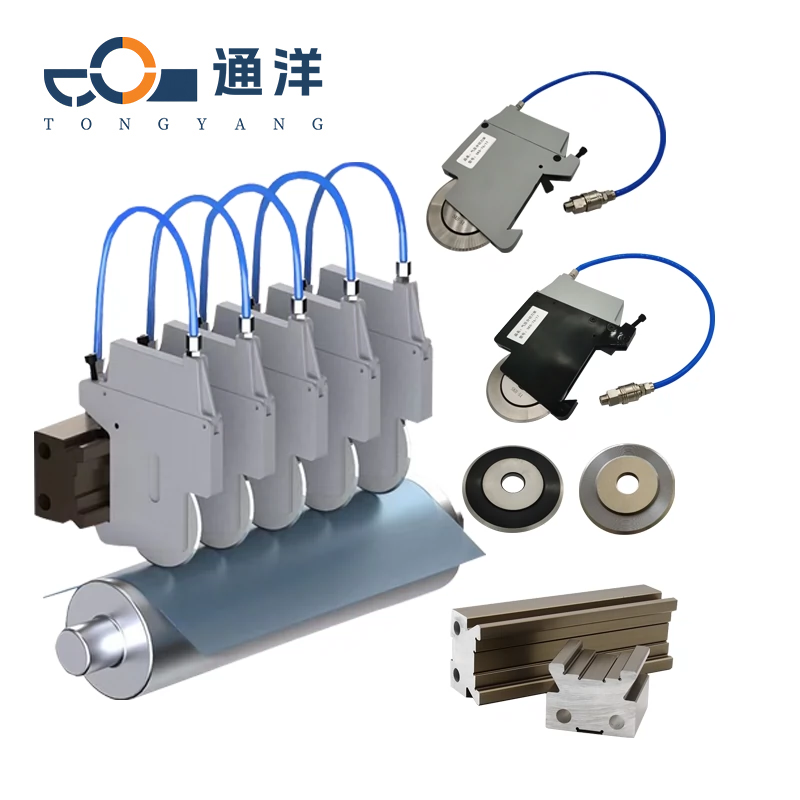
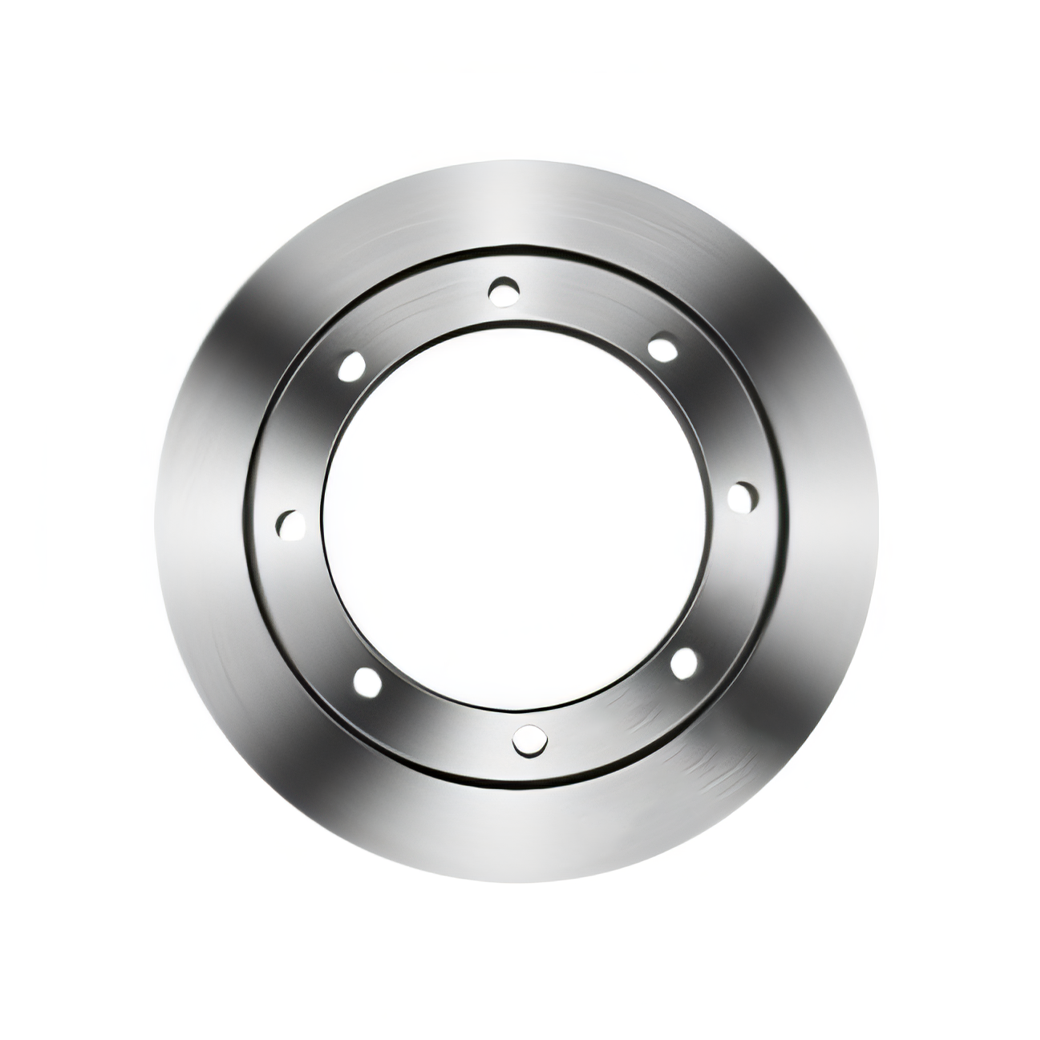
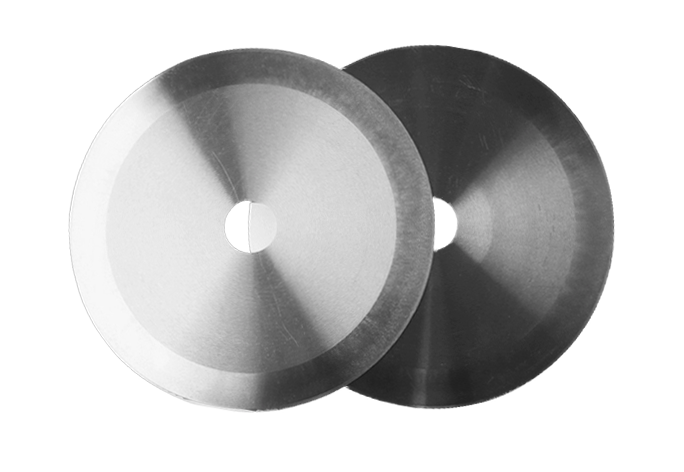
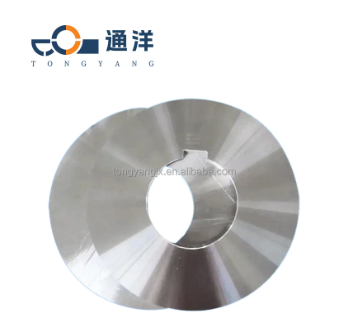
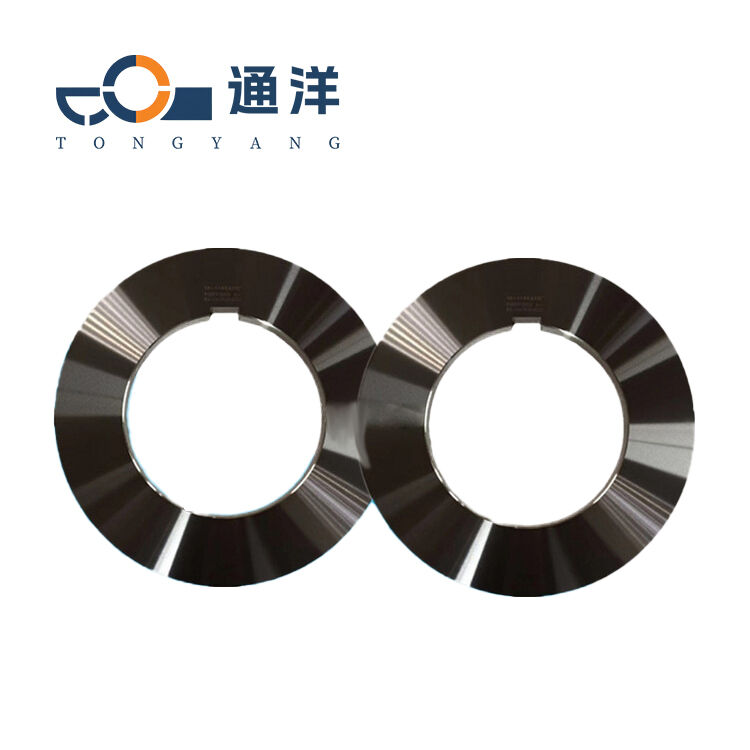
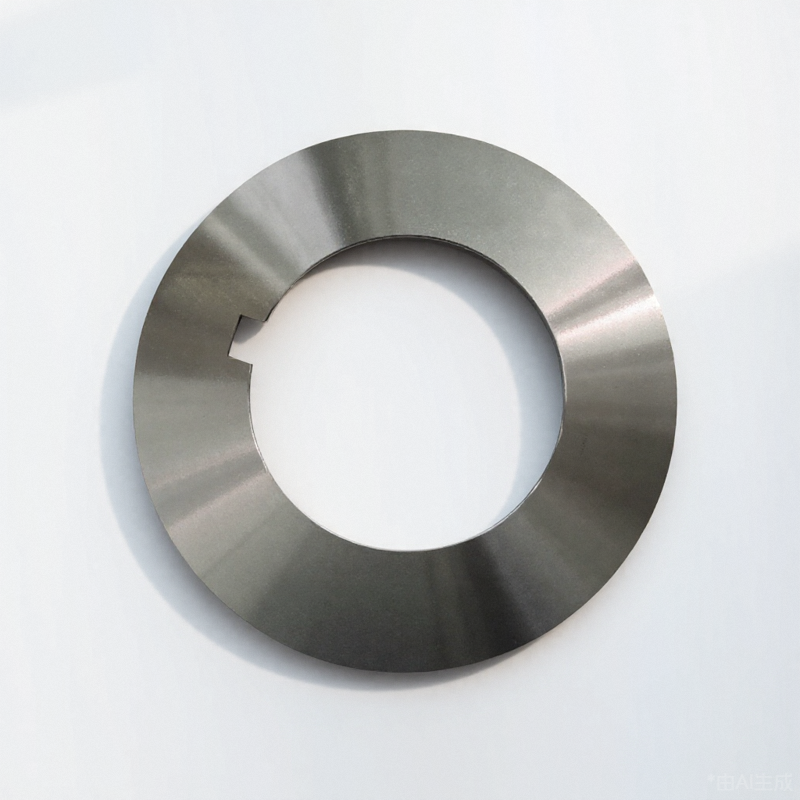
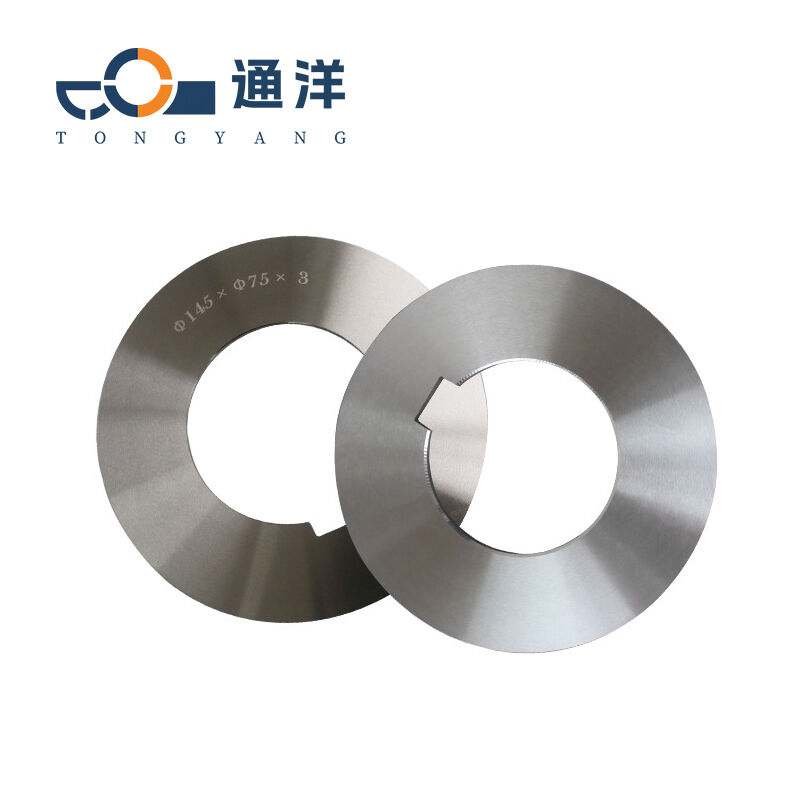
The cutting circular demonstrates remarkable versatility that makes it an invaluable asset for businesses working with diverse materials or serving multiple market segments. Unlike specialized cutting tools that excel with only one material type, the cutting circular adapts readily to steel, aluminum, brass, copper, titanium, various plastics, composite materials, hardwoods, softwoods, engineered lumber products, and numerous other substances commonly encountered in industrial and commercial settings. This multi-material capability stems from the cutting circular design philosophy that emphasizes adjustability and adaptability rather than narrow specialization. Operators can modify cutting speeds, blade types, and operational parameters to optimize the cutting circular performance for each specific material, ensuring excellent results regardless of what substance is being processed. The cutting circular handles thin sheet materials with the same competence it brings to thick plate stock, automatically adjusting to material thickness without requiring complex reconfiguration or specialized attachments. This thickness flexibility is particularly valuable for businesses that work with variable material specifications or that need to accommodate custom project requirements without investing in additional equipment. The cutting circular proves equally effective in production environments where repetitive cuts are performed on identical materials and in job shop settings where material types change frequently between projects. Metalworking facilities rely on the cutting circular for fabricating structural components, cutting stock to length, preparing materials for welding operations, and producing finished parts that require minimal post-processing. Construction companies utilize portable cutting circular equipment for on-site material preparation, enabling crews to cut materials to exact dimensions at installation locations rather than pre-cutting everything at a central facility. Woodworking operations depend on the cutting circular for dimensioning lumber, creating joints, producing custom moldings, and executing specialized cuts that would be difficult or impossible with conventional saws. The cutting circular also excels in plastic fabrication environments where clean, burr-free cuts are essential for maintaining material integrity and achieving professional finished appearance. Educational institutions teaching manufacturing trades appreciate how the cutting circular versatility allows students to gain experience with a tool they will encounter across diverse employment settings. This broad applicability means that professionals who master cutting circular operation develop transferable skills valuable throughout their careers.
 EN
EN