Premium Metal Cutting Circular Blades - Durable Carbide Teeth for Precision Metal Cutting

All Categories

Get a Free Quote

Our representative will contact you soon.
Email
WhatsApp
Name
Company Name
Message
0/1000

metal cutting circular

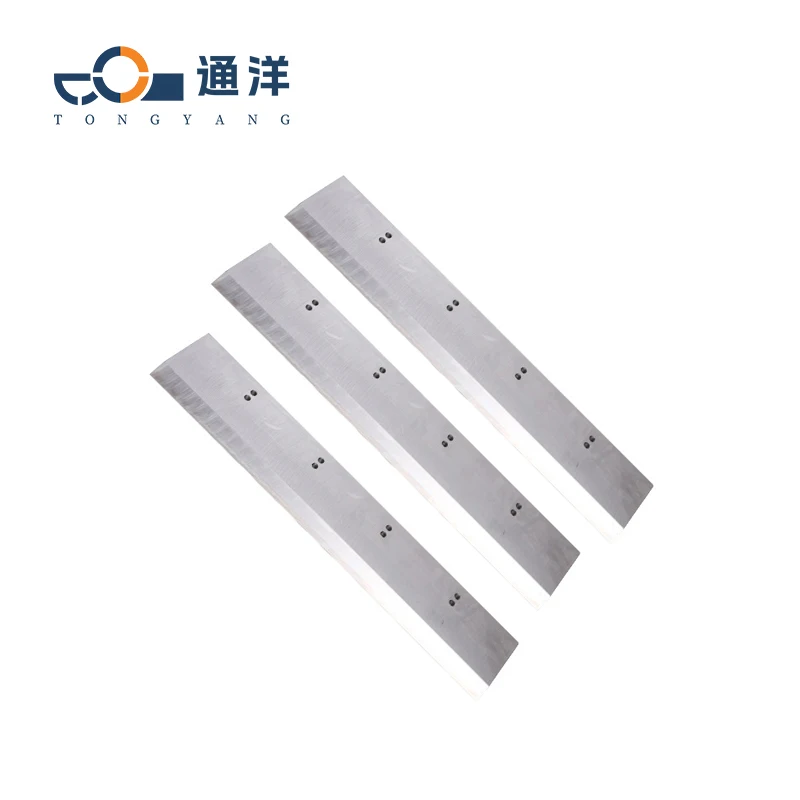
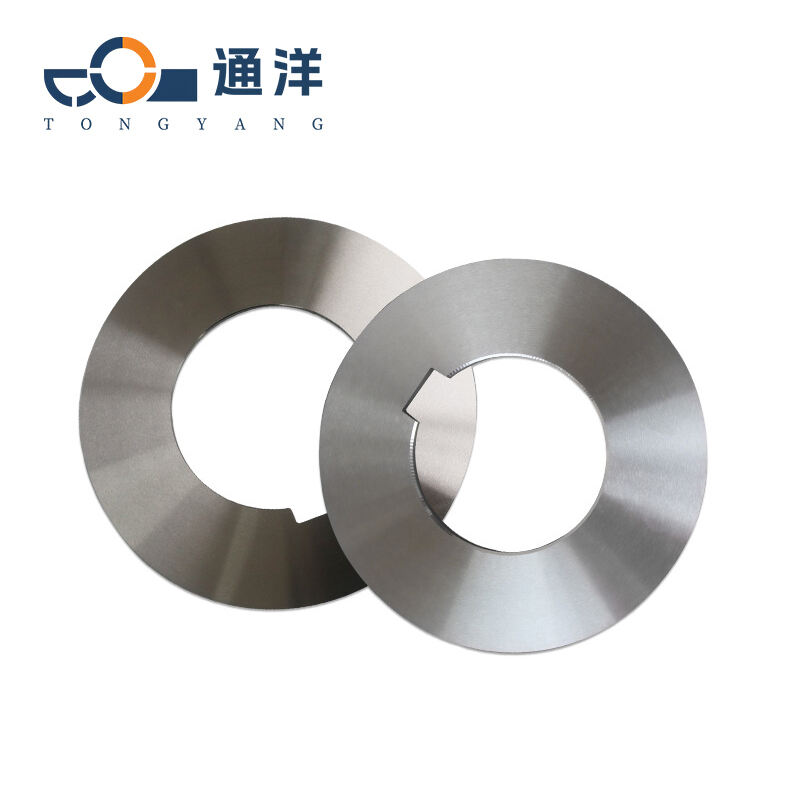
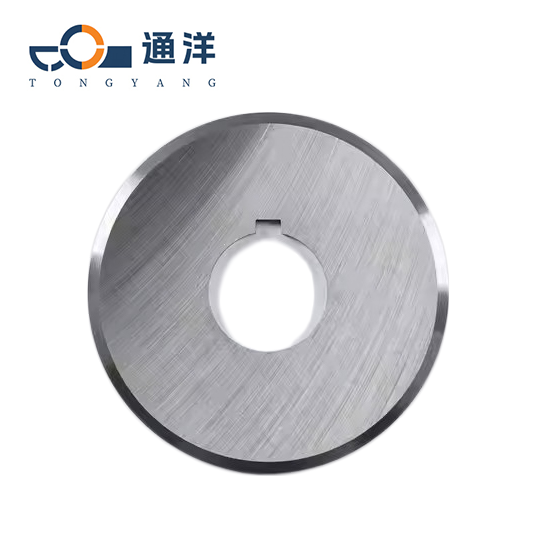
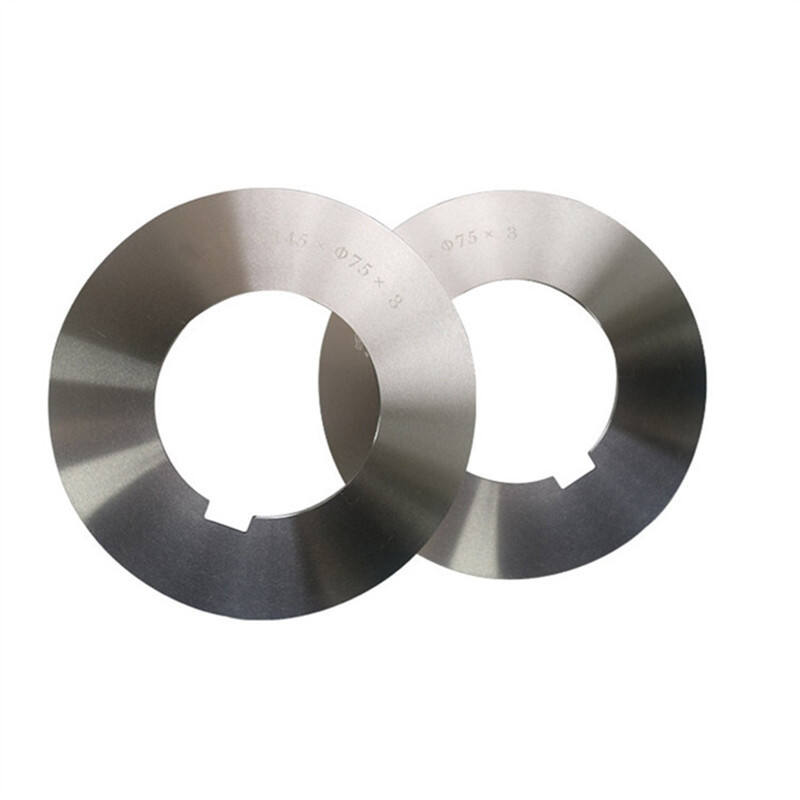
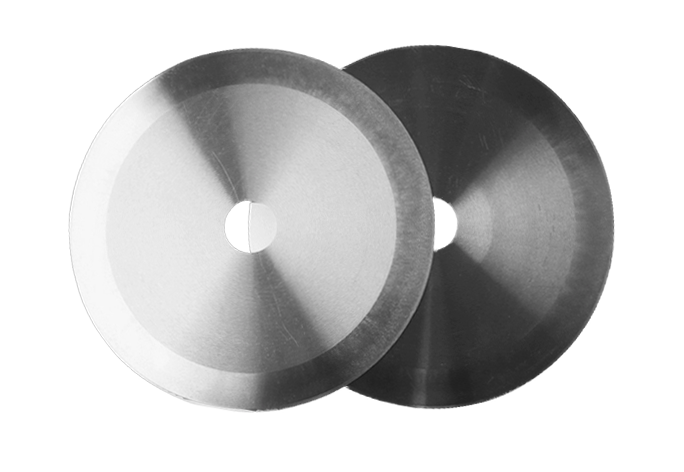
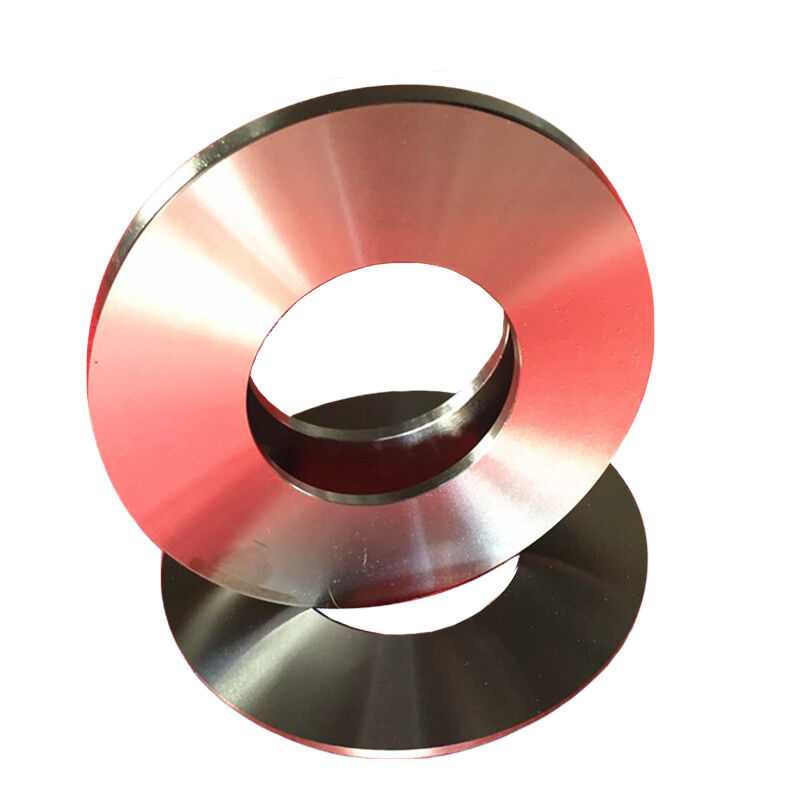
A metal cutting circular saw blade represents an essential precision tool engineered specifically for cutting through various metallic materials with accuracy and efficiency. This specialized cutting implement features a circular disc with strategically positioned teeth or abrasive edges designed to slice through steel, aluminum, copper, stainless steel, and other metal alloys. The metal cutting circular blade operates at controlled speeds to generate clean, burr-free cuts while minimizing material waste and ensuring operator safety. These blades incorporate advanced metallurgical compositions, often featuring carbide-tipped teeth or diamond-embedded edges that maintain sharpness throughout extended use. The metal cutting circular tool serves multiple industries, including construction, manufacturing, automotive repair, metal fabrication, and home improvement projects. Professional contractors and DIY enthusiasts alike rely on these blades for their ability to deliver consistent results across different metal thicknesses and compositions. The design philosophy behind every metal cutting circular blade emphasizes three critical factors: durability to withstand the demanding nature of metal cutting, precision to achieve accurate dimensional cuts, and safety features that protect operators from sparks and debris. Modern metal cutting circular blades utilize sophisticated tooth geometry that reduces friction during cutting operations, thereby extending blade life and improving cutting performance. The versatility of these tools allows users to tackle everything from thin sheet metal to thick structural steel components. Advanced manufacturing techniques ensure that each metal cutting circular blade maintains perfect balance during high-speed rotation, preventing wobble that could compromise cut quality or create dangerous operating conditions. Temperature management becomes crucial during metal cutting operations, and quality circular blades incorporate design elements that dissipate heat effectively, preventing warping and maintaining cutting edge integrity throughout demanding applications.

Popular Products

The metal cutting circular blade delivers remarkable time savings compared to traditional cutting methods like hacksaws or manual shears. Users complete cutting tasks up to ten times faster, dramatically improving productivity on job sites and in workshop environments. This efficiency translates directly into reduced labor costs and faster project completion timelines. The precision offered by a quality metal cutting circular blade eliminates the need for secondary finishing operations in many applications. Clean cuts reduce grinding, filing, and deburring work, saving both time and consumable costs. The economic benefits extend beyond initial cutting speed, as durable blades maintain their cutting performance through hundreds of cuts before requiring replacement. This longevity provides excellent value, especially when compared to disposable abrasive wheels that degrade rapidly. Safety improvements represent another significant advantage, as metal cutting circular blades produce fewer sparks than traditional abrasive cutting methods, reducing fire hazards in work environments. The controlled cutting action minimizes kickback risks and provides operators with better material control throughout the cutting process. Users experience less physical fatigue when using powered metal cutting circular tools compared to manual cutting methods, enabling longer productive work periods without quality degradation. The versatility of these blades allows a single tool to handle multiple metal types and thicknesses, eliminating the need to maintain separate cutting tools for different materials. This versatility simplifies inventory management and reduces capital equipment investments. Environmental considerations also favor metal cutting circular blades, as they generate less airborne particulate matter compared to grinding or abrasive cutting methods, contributing to healthier work environments. The reduced noise levels associated with quality circular blade cutting operations create more pleasant working conditions and help operations comply with occupational noise regulations. Material waste decreases significantly because the narrow kerf width of circular blades removes less material during cutting, maximizing usable material from each workpiece. This efficiency becomes particularly valuable when working with expensive metal alloys or when tight material budgets constrain projects. The consistent cutting performance ensures that every piece meets specification requirements, reducing scrap rates and rework expenses that can devastate project profitability.

Latest News

Industrial Circular Knife Applications: Complete Overview

25

Mar

Industrial Circular Knife Applications: Complete Overview

Industrial cutting operations rely heavily on precision tools that deliver consistent results across diverse manufacturing environments. The circular knife stands as one of the most versatile and essential cutting implements in modern industrial appl...
View More
How to Choose the Right Circular Knife for Your Cutting Application

25

Mar

How to Choose the Right Circular Knife for Your Cutting Application

Selecting the appropriate cutting tool for industrial applications can significantly impact productivity, product quality, and operational costs. Among the various cutting instruments available in manufacturing environments, the circular knife stands...
View More
How to Choose the Perfect Metal Cutting Blade: Pro Guide

06

May

How to Choose the Perfect Metal Cutting Blade: Pro Guide

Selecting the right metal cutting blade is a critical decision that directly impacts production efficiency, cut quality, blade lifespan, and overall operational costs in industrial metalworking operations. Whether you're processing thin gauge steel, ...
View More
How to Sharpen Your Circular Knife: Step-by-Step Guide

30

Apr

How to Sharpen Your Circular Knife: Step-by-Step Guide

Maintaining the sharpness of your circular knife is essential for achieving clean, precise cuts in industrial and commercial applications. Whether you work in rubber processing, textile manufacturing, paper cutting, or food production, a dull circula...
View More

Get a Free Quote

Our representative will contact you soon.
Email
WhatsApp
Name
Company Name
Message
0/1000

metal cutting circular

Superior Carbide Tooth Technology for Extended Durability

Superior Carbide Tooth Technology for Extended Durability

The advanced carbide tooth technology integrated into premium metal cutting circular blades represents a revolutionary approach to industrial and professional cutting applications. Each tooth undergoes precision brazing processes that bond ultra-hard carbide tips to the blade body, creating cutting edges that resist wear exponentially better than standard steel teeth. This carbide composition maintains its hardness even under the intense heat generated during metal cutting operations, a critical factor that distinguishes professional-grade metal cutting circular blades from consumer alternatives. The geometric design of these carbide teeth incorporates specific rake angles and clearance angles optimized for different metal types, ensuring efficient chip removal and preventing material buildup that can compromise cut quality. The spacing between teeth follows carefully calculated patterns that balance cutting speed with finish quality, allowing operators to achieve their desired results without sacrificing blade longevity. Premium metal cutting circular blades feature micro-grain carbide formulations that provide the optimal combination of hardness and impact resistance, preventing tooth fractures even when cutting through challenging materials like hardened steel or cast iron. The brazing process itself utilizes high-silver content alloys that withstand thermal cycling without joint failure, ensuring that carbide tips remain securely attached throughout the blade's service life. This durability translates into substantial cost savings, as users replace blades less frequently while maintaining consistent cutting performance across thousands of cuts. The environmental benefits of longer-lasting blades reduce disposal volumes and decrease the resource consumption associated with manufacturing replacement blades. Professional fabricators particularly value this extended durability during high-volume production runs where blade changes interrupt workflow and reduce throughput. The return on investment becomes evident quickly, as the premium price of carbide-tipped metal cutting circular blades is offset by their dramatically extended service life and superior performance characteristics that maintain dimensional accuracy throughout their usable life.
Advanced Heat Dissipation Design Prevents Warping and Maintains Precision

Advanced Heat Dissipation Design Prevents Warping and Maintains Precision

Thermal management represents one of the most critical engineering challenges in metal cutting circular blade design, and advanced models incorporate sophisticated heat dissipation features that dramatically improve performance and longevity. The friction generated during metal cutting produces substantial heat that can reach temperatures exceeding several hundred degrees at the cutting edge, potentially causing blade warping, tooth softening, and premature failure. Premium metal cutting circular blades address this challenge through multiple design innovations working synergistically to control temperature. Expansion slots cut into the blade body provide controlled flexibility that accommodates thermal expansion without inducing stress concentrations that could cause cracking or warping. These slots also create airflow channels that promote convective cooling as the blade rotates at high speed, continuously bringing cooler air into contact with heated blade surfaces. The blade body thickness and diameter are precisely calculated to optimize the mass available for heat absorption while maintaining the structural rigidity required for accurate cutting. Some advanced metal cutting circular blades incorporate specialized coatings that reduce friction between the blade and workpiece, directly decreasing heat generation at the source. These coatings also provide a non-stick surface that prevents metal chips and cutting residue from adhering to the blade, maintaining optimal cutting performance throughout extended use. The tooth geometry itself contributes to thermal management, as properly designed gullets provide adequate space for chip evacuation, preventing the heat-retaining buildup of cutting debris. Users of premium metal cutting circular blades with advanced heat dissipation features report significantly reduced blade wandering during cuts, resulting in straighter cuts that meet tighter tolerance requirements. The dimensional stability provided by effective thermal management becomes particularly crucial when making multiple identical cuts where consistency directly impacts assembly quality and final product performance. Manufacturing operations benefit from reduced downtime associated with blade changes and adjustments, as thermally stable blades maintain their cutting characteristics predictably throughout their service life, enabling more accurate production planning and inventory management.
Versatile Material Compatibility Eliminates Multiple Tool Requirements

Versatile Material Compatibility Eliminates Multiple Tool Requirements

The exceptional versatility of modern metal cutting circular blades eliminates the traditional need to maintain separate cutting tools for different metal types and thicknesses, delivering substantial practical and economic benefits to both professional operations and individual users. This multi-material capability stems from sophisticated tooth design and blade composition engineering that enables a single metal cutting circular blade to perform effectively across a wide range of metallic materials including mild steel, stainless steel, aluminum, copper, brass, and various alloys. The tooth geometry incorporates compromise angles that perform adequately across different material hardness levels rather than being optimized for a single material type, providing acceptable performance across the entire material spectrum. This versatility proves particularly valuable in fabrication shops and construction environments where material types vary project by project, eliminating the workflow interruptions associated with changing blades between materials. The time savings become substantial over weeks and months of operation, as workers spend less time searching for appropriate blades and more time actually cutting material. Tool inventory simplification represents another significant advantage, as businesses reduce capital tied up in specialized cutting implements and decrease storage space requirements for maintaining multiple blade types. The learning curve for new employees flattens considerably when a single metal cutting circular blade type handles all cutting requirements, reducing training time and minimizing the risk of using incorrect blades that could damage equipment or create safety hazards. Small business operators and independent contractors particularly appreciate this versatility, as limited budgets make maintaining extensive tool inventories economically challenging. The metal cutting circular blade's ability to cut materials ranging from thin 20-gauge sheet metal to thick half-inch plate stock provides remarkable flexibility for tackling diverse projects without equipment limitations constraining job acceptance. Automotive repair shops benefit from this versatility when working on vehicles incorporating multiple metal types in exhaust systems, body panels, and structural components, all processable with a single blade type. Home improvement enthusiasts discover that investing in a quality metal cutting circular blade transforms their circular saw into a versatile metal fabrication tool suitable for fence construction, decorative metalwork, repair projects, and creative endeavors. The reduced complexity of having a single blade type that handles multiple applications decreases the likelihood of errors and accidents that occur when operators select inappropriate cutting tools for specific materials.

Get a Free Quote

Our representative will contact you soon.
Email
WhatsApp
Name
Company Name
Message
0/1000
Newsletter
Please Leave A Message With Us