Premium Grinder Steel Cutting Blade - Professional Metal Cutting Solutions for Precision Fabrication

All Categories

Get a Free Quote

Our representative will contact you soon.
Email
WhatsApp
Name
Company Name
Message
0/1000

grinder steel cutting blade

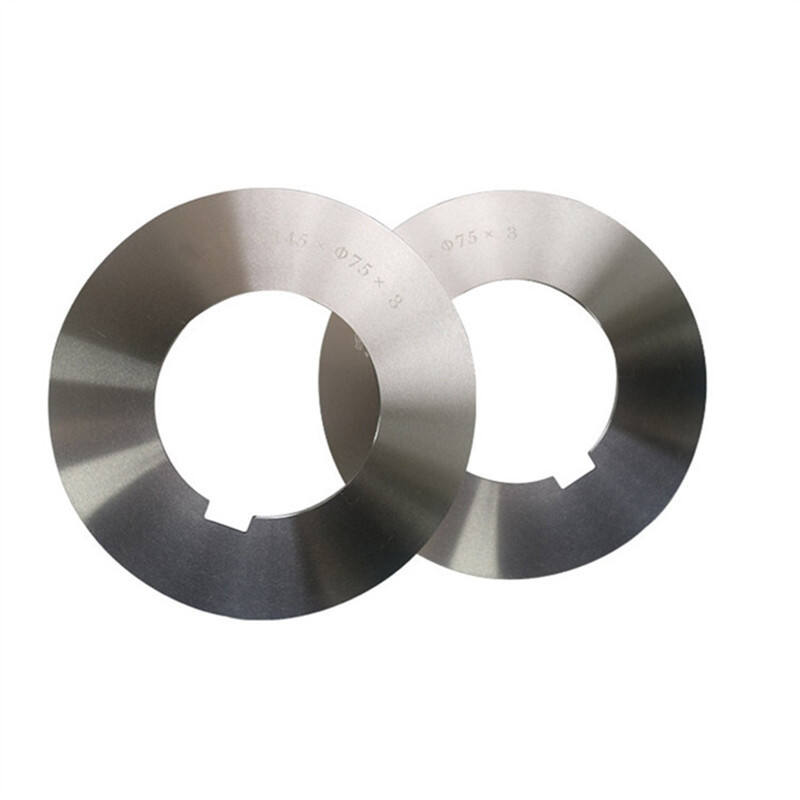
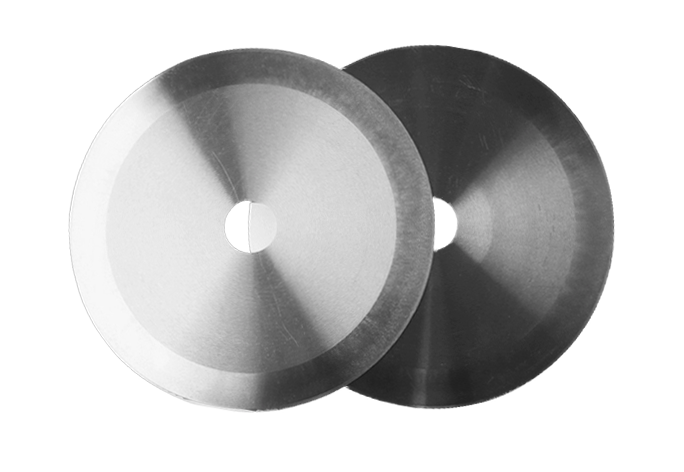
The grinder steel cutting blade represents a critical component in modern metalworking and construction operations, designed specifically to cut through various steel materials with precision and efficiency. This specialized cutting accessory attaches to angle grinders and other rotary power tools, transforming them into powerful steel cutting instruments capable of handling demanding fabrication tasks. The grinder steel cutting blade consists of abrasive particles bonded together in a thin, circular disc format, engineered to withstand the extreme forces and temperatures generated during steel cutting operations. These blades come in various diameters, thicknesses, and abrasive compositions, each tailored to specific cutting requirements and steel types. The primary function of a grinder steel cutting blade involves rapidly severing steel bars, pipes, sheets, structural members, and other ferrous metal components through high-speed rotational contact. During operation, the abrasive grains on the blade surface grind away steel molecules, creating a clean separation line while generating sparks and heat as byproducts of the cutting process. Technological features incorporated into modern grinder steel cutting blades include reinforced fiberglass mesh layers that prevent blade shattering, specialized resin bonding systems that maintain blade integrity under stress, and precision-balanced designs that minimize vibration during operation. Advanced grinder steel cutting blade variants incorporate aluminum oxide, silicon carbide, or zirconia alumina abrasives, each offering distinct performance characteristics suited to different steel hardness levels and cutting speeds. Applications for the grinder steel cutting blade span numerous industries including construction site work, metal fabrication shops, automotive repair facilities, shipbuilding operations, and home workshop projects. Professional contractors rely on grinder steel cutting blades for cutting rebar, angle iron, steel studs, and metal roofing materials, while hobbyists use them for sculpture work, custom fabrication projects, and general metalworking tasks. The versatility of the grinder steel cutting blade makes it indispensable for both rough demolition work and precise finishing cuts in steel materials.

New Product Recommendations

Choosing a quality grinder steel cutting blade delivers substantial practical benefits that directly impact your productivity and project outcomes. First and foremost, these blades provide exceptional cutting speed compared to manual sawing methods, allowing you to complete steel cutting tasks in a fraction of the time required by traditional approaches. This time-saving advantage translates into increased project throughput, reduced labor costs, and faster job completion rates that keep your workflow moving efficiently. The portability factor represents another significant advantage, as grinder steel cutting blades work with handheld angle grinders that you can easily transport to any work location, whether you are working at height on scaffolding, in confined spaces, or at remote outdoor sites where stationary cutting equipment cannot reach. This mobility eliminates the need to transport heavy steel materials to fixed cutting stations, saving you tremendous effort and logistical complexity. Cost effectiveness stands out as a major benefit, since grinder steel cutting blades offer an economical cutting solution with relatively low initial investment and reasonable replacement costs compared to more complex cutting systems like plasma cutters or band saws. You gain professional-grade cutting capability without breaking your budget, making these blades accessible for both commercial operations and individual users. The versatility of a grinder steel cutting blade enables you to tackle diverse cutting challenges with a single tool, from thin sheet metal to thick structural steel, eliminating the need to invest in multiple specialized cutting devices. You can make straight cuts, curved cuts, notches, and detailed shapes with appropriate technique, giving you creative flexibility in your metalworking projects. Clean cutting results represent another practical advantage, as quality grinder steel cutting blades produce relatively smooth edges with minimal burr formation, reducing the post-cut finishing work required before welding or assembly operations. This cleaner cutting action saves you additional time in the fabrication process. The widespread availability of grinder steel cutting blades ensures you can easily source replacements from hardware stores, online retailers, and industrial suppliers, preventing project delays due to consumable shortages. Safety features built into modern grinder steel cutting blade designs, including reinforcement layers and controlled fracture characteristics, protect you during operation by reducing the risk of dangerous blade failures. The straightforward mounting process allows you to change blades quickly without specialized tools or lengthy setup procedures, minimizing downtime between cutting tasks. Finally, the consistent performance delivered by quality grinder steel cutting blades means you can rely on predictable cutting behavior across multiple projects, helping you estimate job timelines accurately and maintain quality standards throughout your metalworking operations.

Latest News

Can a Circular Blade Cut Metal? A Look at Hardened Metal Cutting Blades

25

Mar

Can a Circular Blade Cut Metal? A Look at Hardened Metal Cutting Blades

The ability to cut through metal efficiently and precisely has always been a cornerstone of modern manufacturing and fabrication industries. When professionals need to slice through various metal materials, the choice of cutting tool can make the dif...
View More
Choosing the Best Circular Knife for Fabric Cutting

30

Mar

Choosing the Best Circular Knife for Fabric Cutting

Selecting the right circular knife for fabric cutting represents one of the most critical decisions in textile manufacturing and processing operations. The precision, efficiency, and quality of your fabric cutting directly impacts production costs, m...
View More
How to Choose the Perfect Metal Cutting Blade: Pro Guide

06

May

How to Choose the Perfect Metal Cutting Blade: Pro Guide

Selecting the right metal cutting blade is a critical decision that directly impacts production efficiency, cut quality, blade lifespan, and overall operational costs in industrial metalworking operations. Whether you're processing thin gauge steel, ...
View More
How to Sharpen Your Circular Knife: Step-by-Step Guide

30

Apr

How to Sharpen Your Circular Knife: Step-by-Step Guide

Maintaining the sharpness of your circular knife is essential for achieving clean, precise cuts in industrial and commercial applications. Whether you work in rubber processing, textile manufacturing, paper cutting, or food production, a dull circula...
View More

Get a Free Quote

Our representative will contact you soon.
Email
WhatsApp
Name
Company Name
Message
0/1000

grinder steel cutting blade

Superior Durability Through Advanced Material Engineering

Superior Durability Through Advanced Material Engineering

The exceptional durability of a grinder steel cutting blade stems from sophisticated material engineering that combines carefully selected abrasive grains with high-performance bonding systems designed to withstand extreme operational stresses. Manufacturers construct these blades using layers of fiberglass mesh embedded within resin matrices, creating a reinforced structure that resists fracturing even under heavy lateral pressure or when encountering unexpected material inconsistencies in the steel being cut. This reinforcement architecture distributes cutting forces evenly across the blade diameter, preventing stress concentration points that could lead to premature failure or dangerous breakage during operation. The abrasive particles themselves undergo rigorous quality selection processes, ensuring each grain possesses the optimal combination of hardness, friability, and thermal stability required for efficient steel cutting performance. Premium grinder steel cutting blade products incorporate specially treated abrasives that maintain their cutting edges longer than standard alternatives, extending the operational lifespan of each blade and reducing your consumable costs over time. The bonding resin formulations used in quality blades feature temperature-resistant properties that prevent softening or degradation when cutting operations generate intense frictional heat, maintaining blade structural integrity throughout extended cutting sessions. This thermal stability proves particularly valuable when working with thick steel sections that require prolonged cutting contact, where inferior blades might experience bonding failure and premature wear. Advanced manufacturing techniques ensure precise grain distribution throughout the blade matrix, creating consistent cutting characteristics from the first cut through the blade's entire service life rather than experiencing rapid performance degradation after initial use. The durability advantage extends to impact resistance as well, with reinforced grinder steel cutting blades demonstrating remarkable ability to survive accidental contact with adjacent surfaces or momentary binding situations that would destroy lesser products. This resilience translates into tangible safety benefits for operators who gain confidence knowing their cutting blade will perform reliably even when working conditions become challenging. The extended service life delivered by durable grinder steel cutting blades reduces the frequency of blade changes, improving your operational efficiency by minimizing work interruptions and allowing you to maintain cutting momentum throughout your project timeline. For professional users performing high-volume cutting work, this durability advantage significantly impacts operational costs by reducing consumable expenses while simultaneously improving productivity through fewer blade replacement cycles.
Exceptional Cutting Precision for Professional Results

Exceptional Cutting Precision for Professional Results

The cutting precision achievable with a properly selected grinder steel cutting blade transforms challenging metalworking tasks into controlled, accurate operations that meet exacting dimensional requirements and quality standards. This precision capability originates from the blade's thin profile design, which removes minimal material during the cutting process while creating narrow kerfs that preserve valuable steel stock and enable tight-tolerance fabrication work. The balanced construction of quality grinder steel cutting blades ensures smooth rotation without wobble or runout, allowing the blade to follow your intended cutting line without wandering or deflecting away from the desired path. This tracking stability proves essential when creating precision cuts for fitted joints, matched component pairs, or decorative metalwork where dimensional accuracy directly impacts final assembly quality and aesthetic appearance. The sharp cutting action delivered by fresh abrasive grains on a grinder steel cutting blade produces clean entry and exit points with minimal tearing or deformation of the steel material, resulting in professional-looking cuts that require less finishing work before subsequent fabrication steps. This clean cutting characteristic becomes particularly important when working with thin-gauge steel materials that can easily distort under cutting forces from dull or aggressive blades. Precision-minded users appreciate how quality grinder steel cutting blades maintain consistent cutting depth control, allowing you to execute partial-depth scoring cuts or controlled penetration operations without unexpected breakthrough that could damage underlying surfaces or compromise workpiece integrity. The predictable material removal rate exhibited by well-manufactured blades enables experienced operators to develop intuitive feel for cutting progress, facilitating precise stopping points and controlled cutting advancement during complex fabrication sequences. Temperature control during cutting operations contributes significantly to precision outcomes, as excessive heat can cause steel workpieces to warp or develop hardened zones that complicate subsequent machining operations. Quality grinder steel cutting blades manage heat generation through efficient abrasive action that minimizes friction while maximizing material removal, keeping thermal input to the workpiece within acceptable ranges for dimensional stability. The precision advantage extends to angular cutting applications where blade geometry and stiffness determine your ability to maintain consistent cutting angles through the entire depth of thick steel sections. Reinforced grinder steel cutting blades resist flexing under side loads, enabling accurate bevel cuts, miter cuts, and compound angle cuts that meet architectural or structural specifications without requiring extensive rework or adjustment. For fabricators working to engineered drawings or template patterns, this precision capability proves invaluable in producing components that fit correctly during assembly without gaps, misalignment, or interference issues that compromise structural integrity or visual appeal.
Enhanced Safety Features Protecting Operators During Demanding Cutting Operations

Enhanced Safety Features Protecting Operators During Demanding Cutting Operations

Safety considerations rank paramount when working with high-speed rotary cutting tools, and modern grinder steel cutting blade designs incorporate multiple protective features that significantly reduce operator risk during steel cutting operations. The reinforced construction methodology used in quality blades includes multiple layers of fiberglass mesh that create a containment structure preventing catastrophic blade disintegration if fracture occurs during operation. This layered reinforcement architecture ensures that any blade failure results in controlled fragmentation rather than dangerous projectile ejection that could cause serious injury to the operator or nearby workers. The carefully engineered bonding systems in premium grinder steel cutting blades contribute to safety by maintaining abrasive grain adhesion throughout the blade's service life, preventing loose particle ejection that could create eye hazards or embed in exposed skin. Manufacturers test their grinder steel cutting blade products through rigorous quality assurance protocols including overspeed testing, impact resistance verification, and thermal stress cycling to ensure each blade meets demanding safety standards before reaching end users. These testing regimens identify potential weaknesses in blade construction that could compromise safety performance, allowing manufacturers to refine their production processes and material selections for optimal protective characteristics. The operational safety benefits extend to vibration control, as balanced grinder steel cutting blade designs minimize the hand-arm vibration exposure that operators experience during extended cutting sessions, reducing fatigue and maintaining better tool control throughout the workday. Lower vibration levels also improve cutting accuracy while decreasing the likelihood of repetitive stress injuries that can develop from prolonged exposure to poorly balanced rotating tools. Clear safety markings on quality grinder steel cutting blades provide essential information about maximum safe operating speeds, proper mounting orientation, and blade size specifications, helping operators select and install appropriate blades for their specific grinding equipment. These visible warnings prevent dangerous mismatches between blade capabilities and tool performance that could lead to blade overspeed failures or improper mounting situations. The relatively cool cutting action of efficient grinder steel cutting blades reduces the thermal hazards associated with metalworking operations, producing less intense sparking and lower workpiece temperatures that decrease burn risks when handling freshly cut materials. Safety-conscious users recognize how quality blade selection impacts their overall workshop safety environment, with premium grinder steel cutting blade products delivering predictable, controlled performance that eliminates the unpredictable behavior associated with inferior cutting consumables. Proper blade selection for specific steel types and thicknesses represents another safety consideration, as using appropriately rated grinder steel cutting blades ensures adequate cutting capacity without overloading the blade or forcing it beyond designed operational parameters that could trigger failure modes.

Get a Free Quote

Our representative will contact you soon.
Email
WhatsApp
Name
Company Name
Message
0/1000
Newsletter
Please Leave A Message With Us