Optimized Blade Design for Maximum Productivity
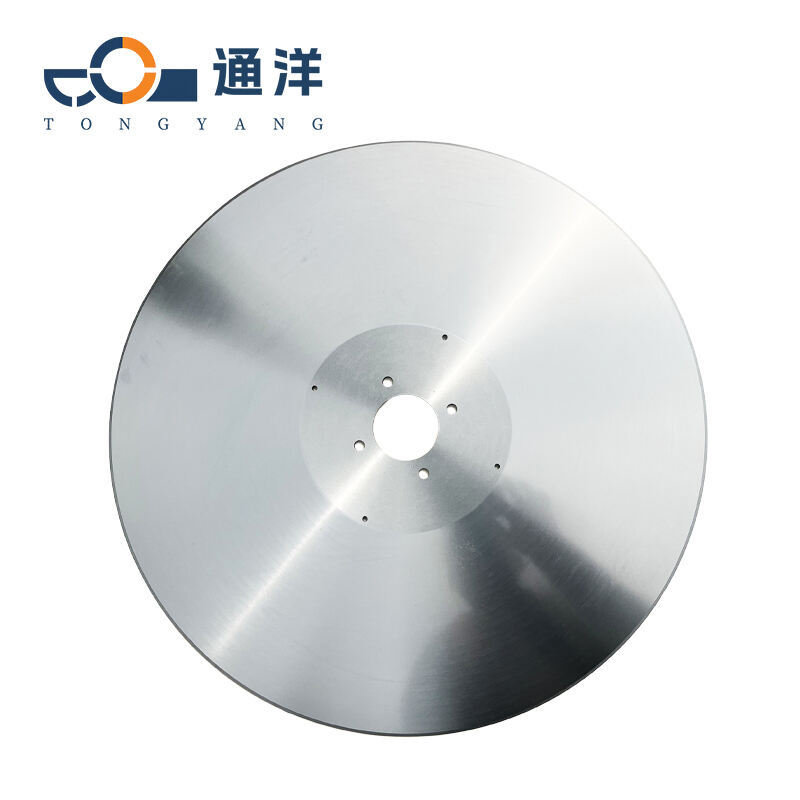
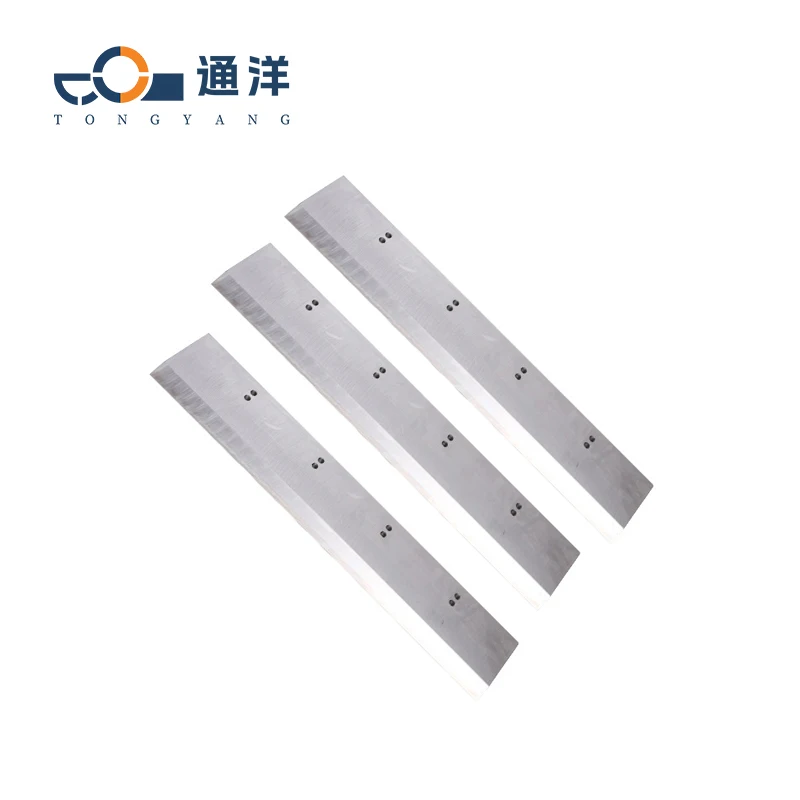
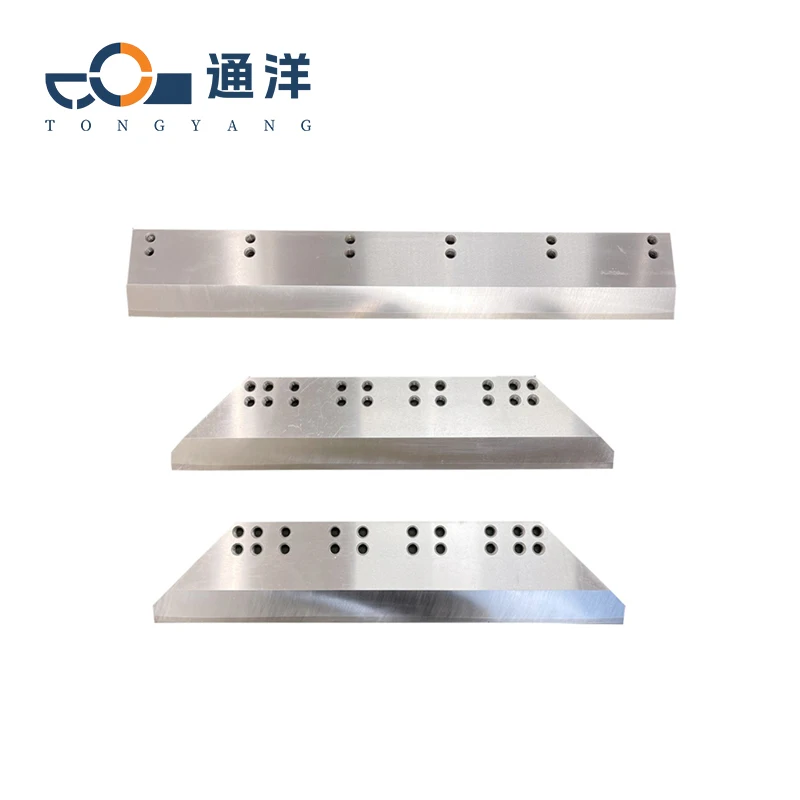
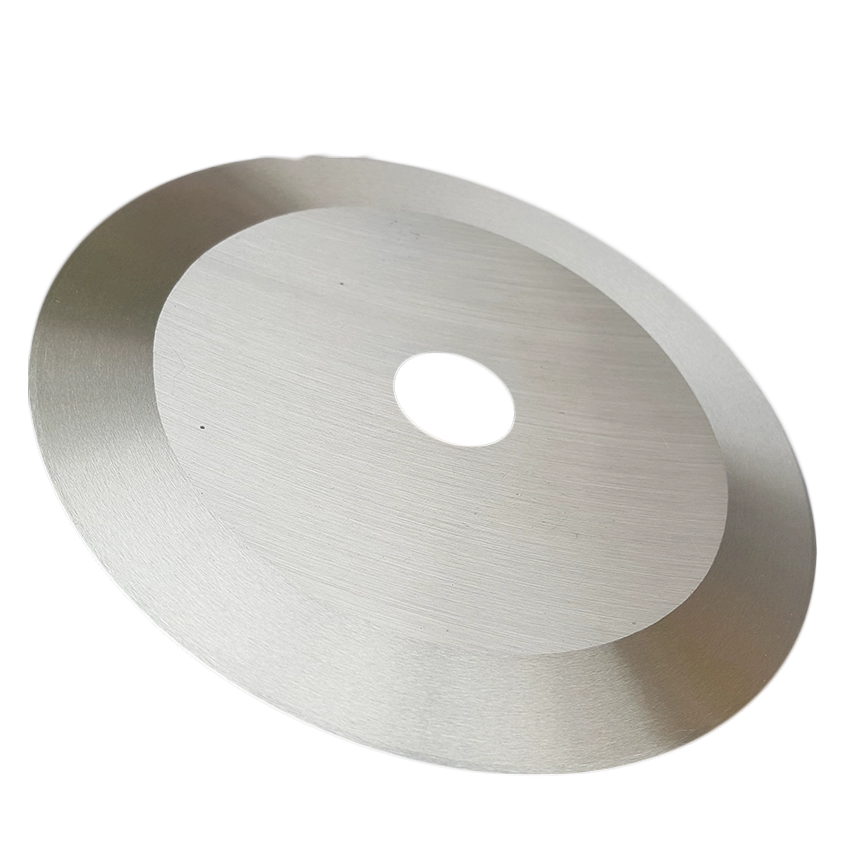
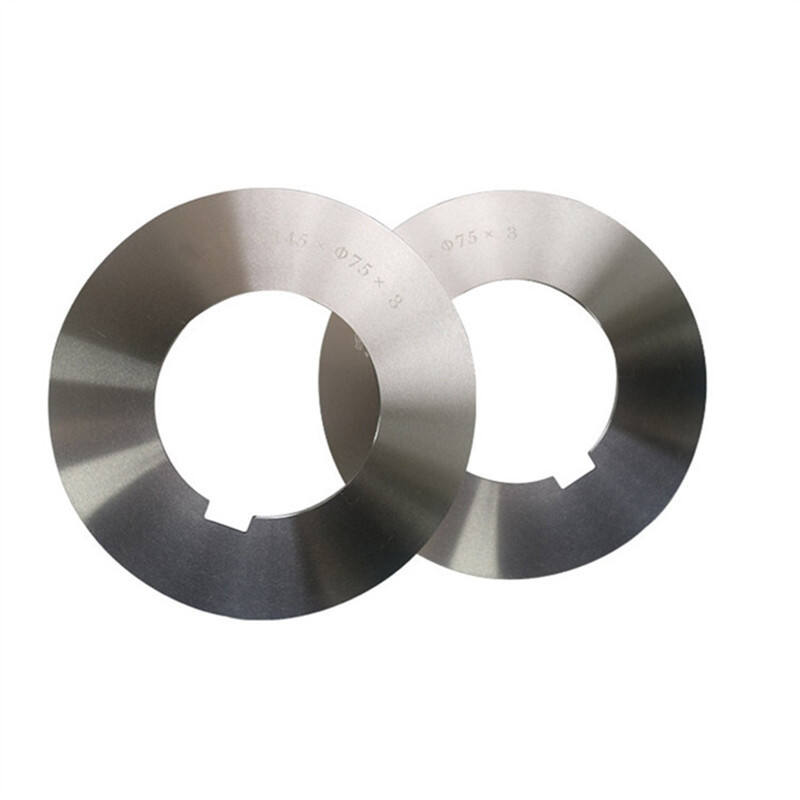
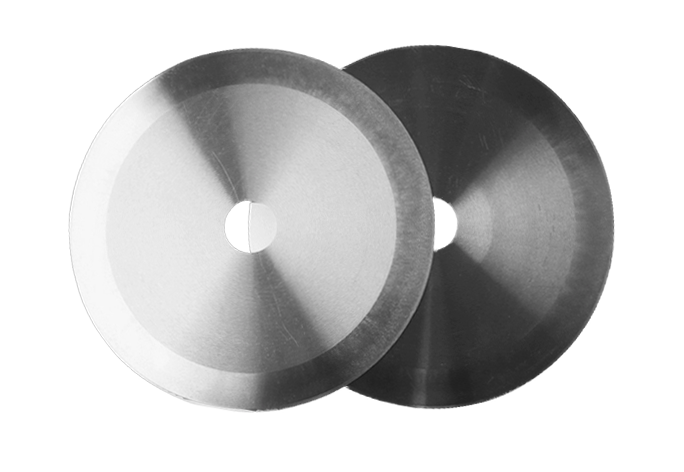
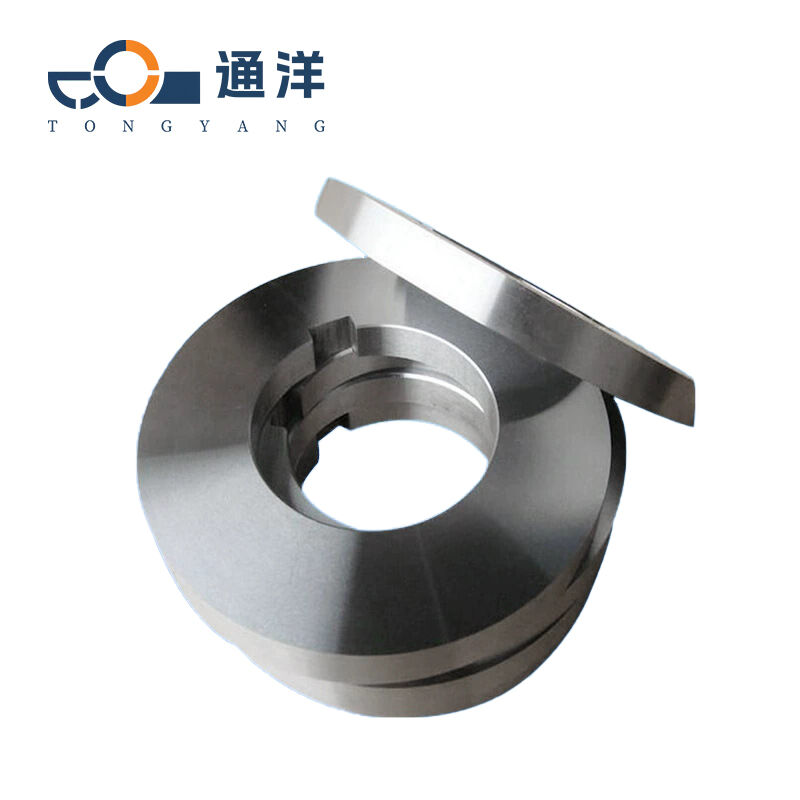
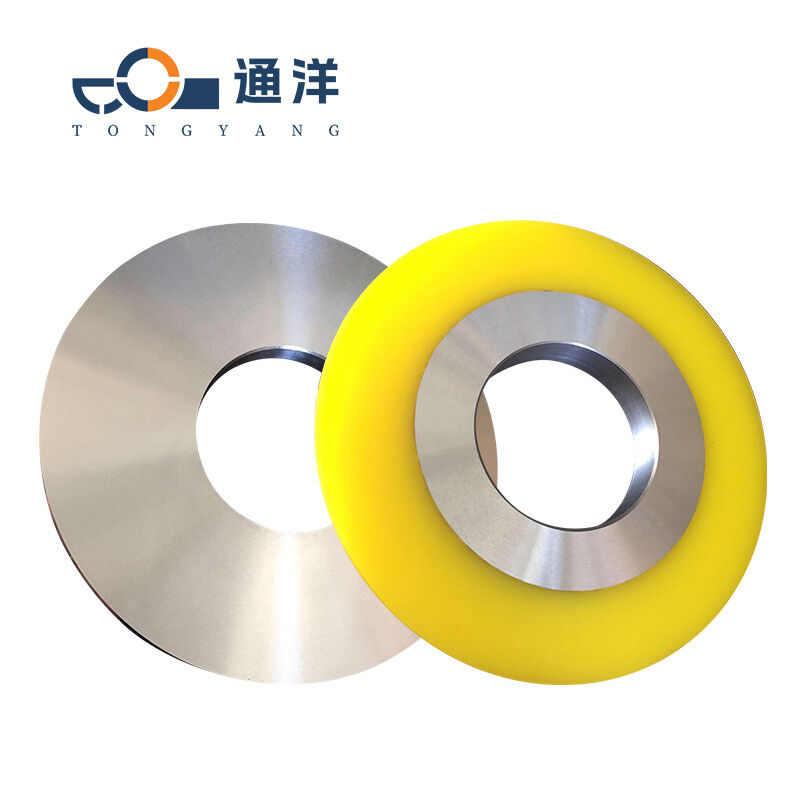
The optimized design characteristics engineered into modern metal slitting blades directly influence the productivity levels your facility can achieve, encompassing dimensional specifications, edge configurations, and operational parameters that work synergistically to maximize cutting performance. Blade diameter selection impacts cutting speed capabilities and the number of cuts achievable before the blade requires redressing, with larger diameters providing extended service intervals that reduce maintenance frequency. The relationship between blade thickness and the material being processed determines cut quality and blade stability, with thicker blades offering greater rigidity for heavy gauge materials while thinner profiles reduce cutting forces and kerf waste when processing lighter stocks. Bore diameter and mounting specifications ensure proper blade installation and secure operation within your slitting equipment, preventing wobble or misalignment that would compromise cut quality and safety. The spacing between upper and lower metal slitting blades, known as clearance, requires precise calculation based on material properties and thickness, with optimal clearance producing clean shearing action that minimizes burr formation and edge distortion. Edge preparation methods including honing, lapping, or specialized finishing techniques create cutting edges optimized for specific applications, whether prioritizing initial sharpness, edge durability, or particular material compatibilities. Blade manufacturers engineer side face geometries that reduce friction with the material being slit, minimizing heat generation and preventing material adhesion that degrades performance. The cumulative effect of these design optimizations manifests as higher line speeds that increase throughput without sacrificing cut quality, enabling your facility to process more material per shift and improve overall equipment utilization. Reduced cutting forces resulting from optimized blade design decrease power consumption and mechanical stress on your slitting machinery, potentially extending equipment service life and reducing maintenance requirements. The efficiency gains translate into improved production economics, as you process equivalent material volumes with lower energy costs and reduced wear on capital equipment. Setup time improvements represent another productivity advantage, as properly designed metal slitting blades require less adjustment and produce acceptable cuts more quickly when initiating new production runs. The consistency these optimized blades deliver means operators spend less time monitoring and adjusting processes, enabling leaner staffing models or allowing personnel to focus on quality initiatives and process improvements. Material handling efficiency improves when blades produce clean, burr-free edges that prevent coil telescoping during winding and eliminate edge defects that cause downstream handling problems.
 EN
EN