Circular Knife Cutting Solutions - Precision Blades for Industrial Applications | Superior Performance & Durability

All Categories

Get a Free Quote

Our representative will contact you soon.
Email
WhatsApp
Name
Company Name
Message
0/1000

circular knife

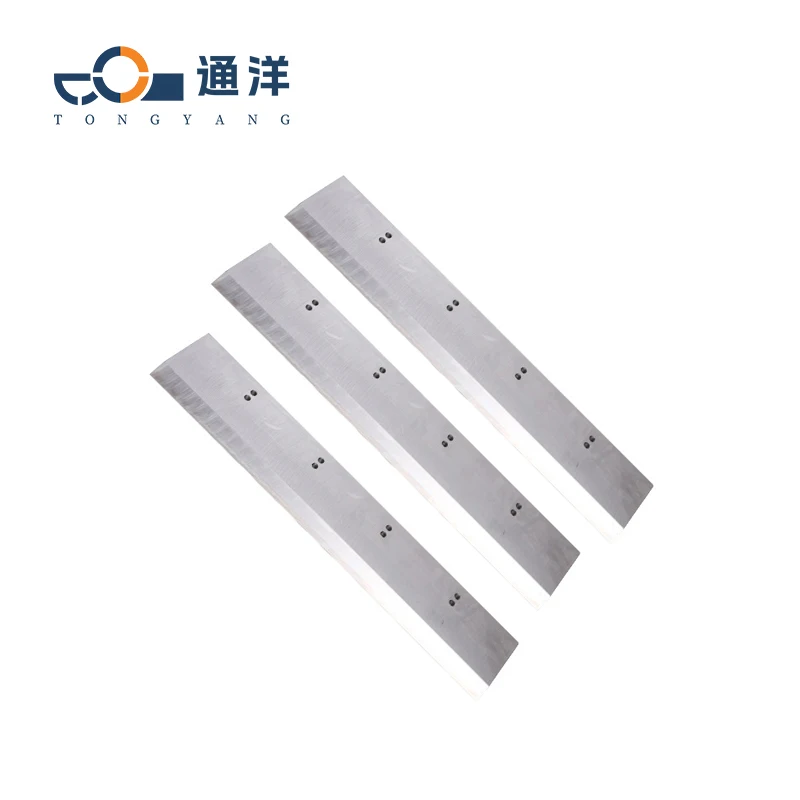
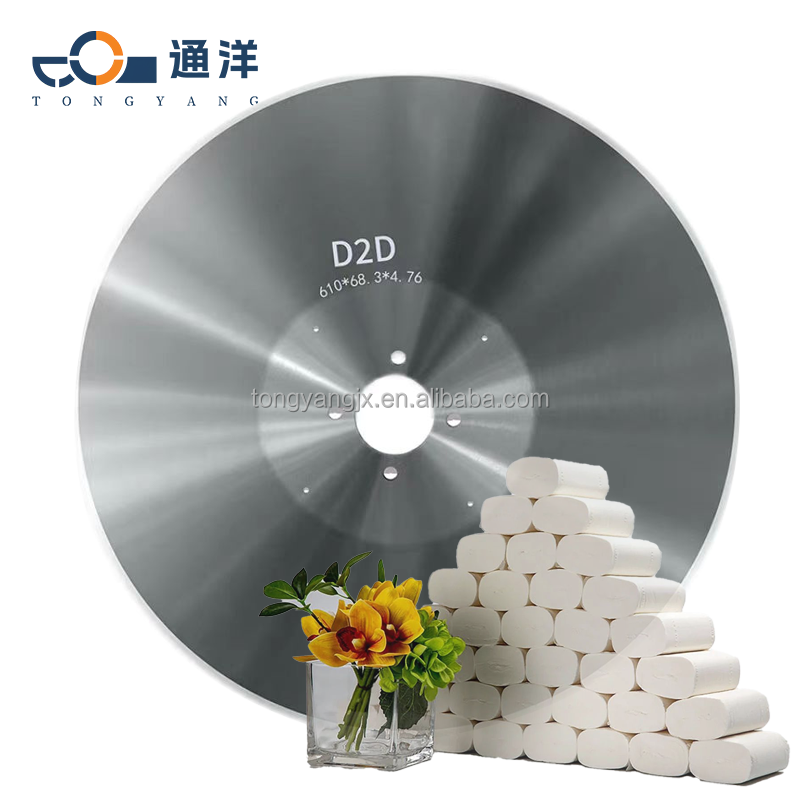
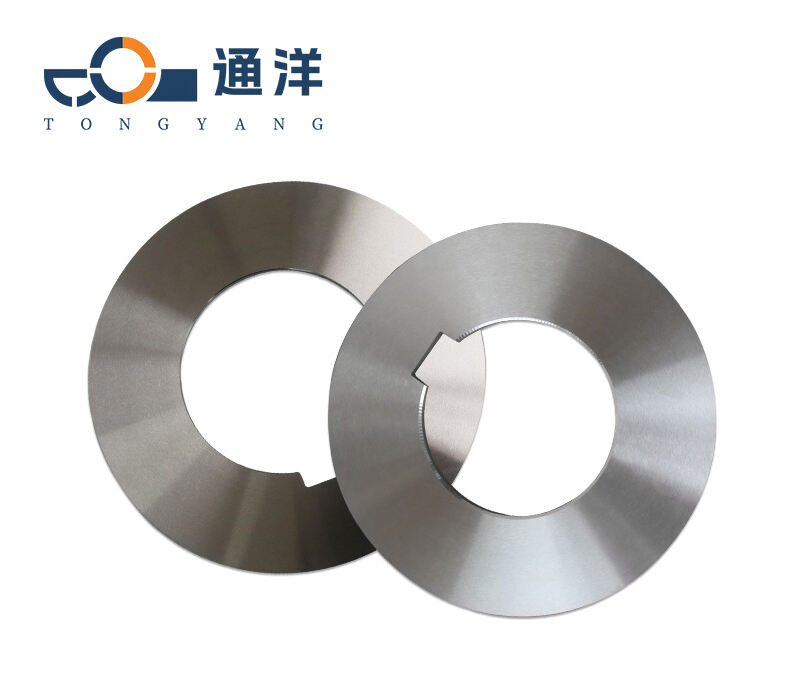
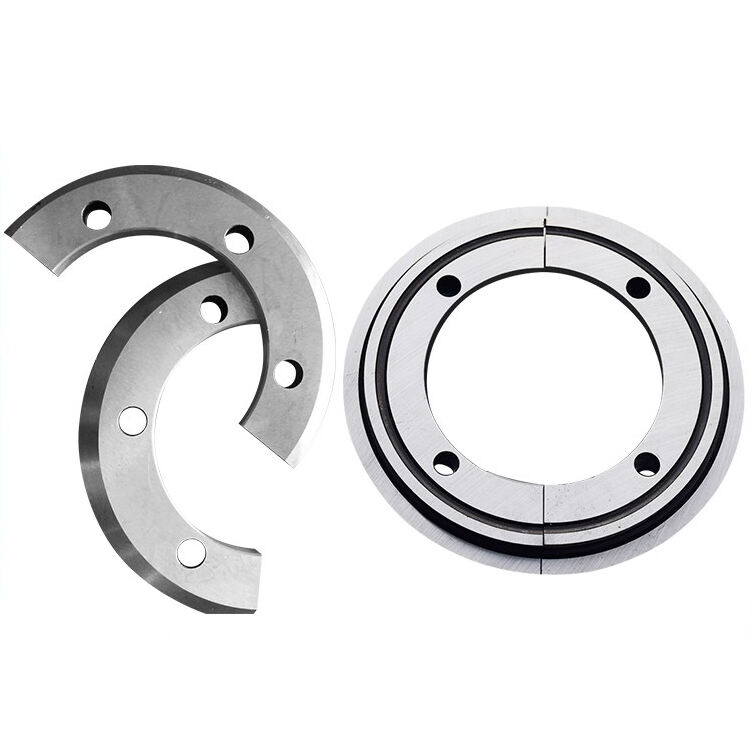
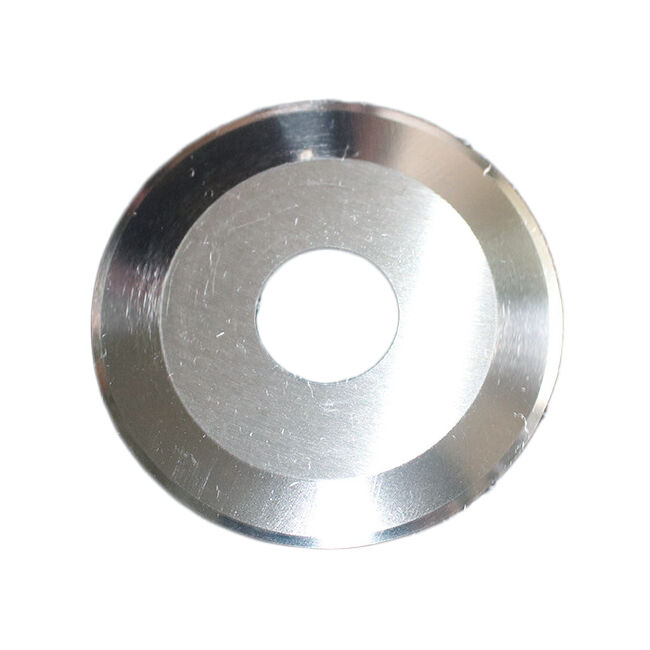
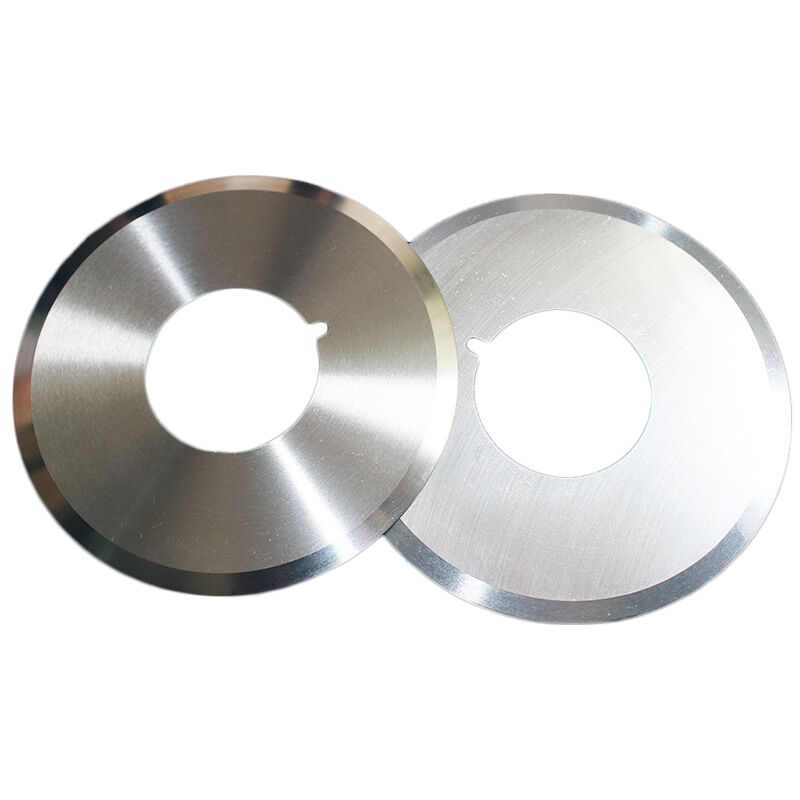
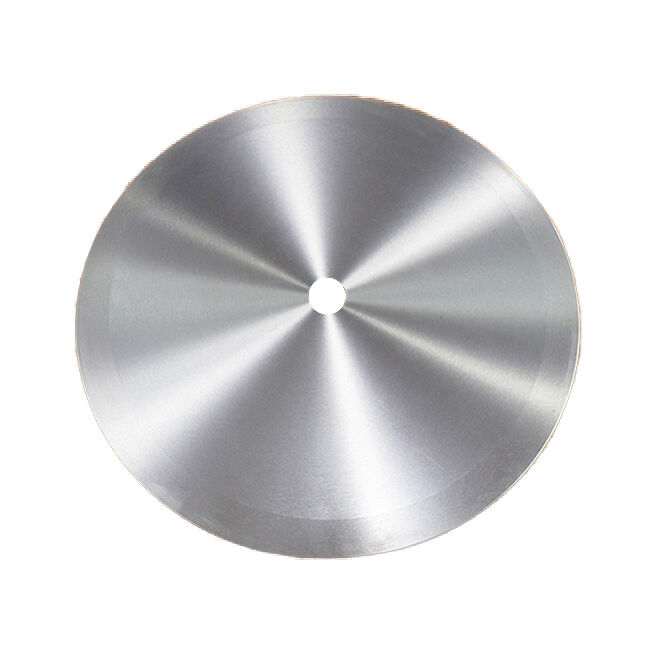
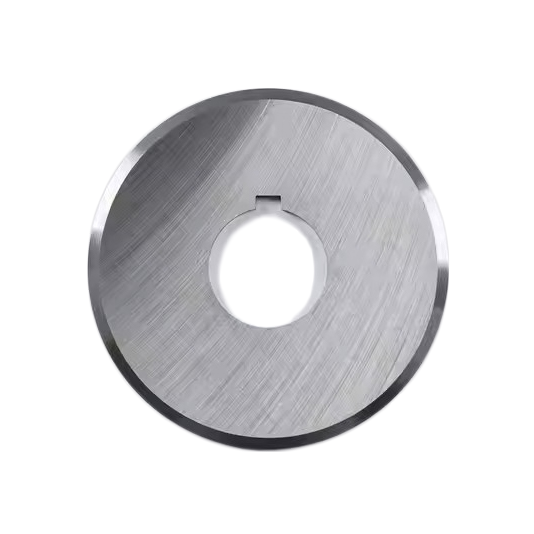
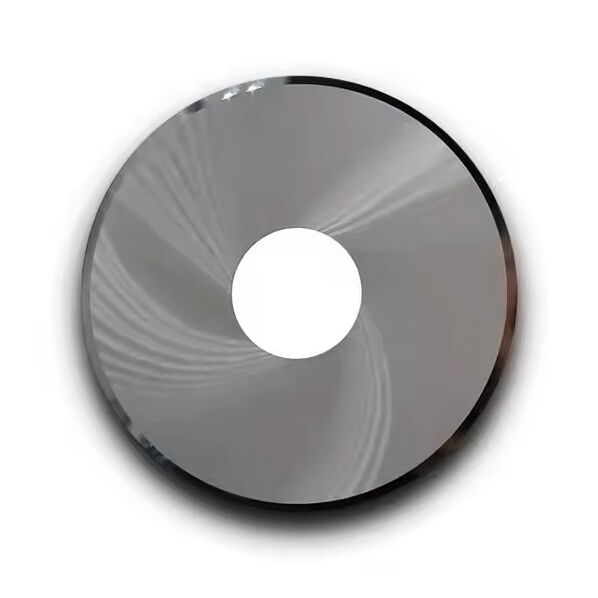
The circular knife represents a precision cutting instrument designed with a round blade configuration that rotates to deliver consistent, efficient cutting performance across diverse materials and industrial applications. This specialized cutting tool features a continuously sharpened edge along its circumference, enabling it to maintain optimal cutting capability throughout extended operational periods. Circular knives are manufactured from premium-grade steel alloys that undergo heat treatment processes to achieve superior hardness ratings, wear resistance, and dimensional stability. The fundamental design incorporates a circular blade mounted on rotating machinery systems where the blade spins at controlled speeds to slice through materials with minimal resistance. These cutting instruments serve critical functions in manufacturing environments, processing facilities, and production lines where accuracy and repeatability are essential requirements. The primary functions of the circular knife include slicing, trimming, cutting, and separating various materials ranging from paper and textiles to rubber, plastics, and food products. Advanced technological features integrated into modern circular knife designs encompass precision grinding techniques that create micro-level sharpness, specialized coatings that reduce friction and prevent adhesion, and carefully engineered blade geometries that optimize cutting angles for specific material types. The applications span numerous industries including packaging, printing, textile manufacturing, food processing, rubber production, and converting operations. Within these sectors, circular knives perform essential tasks such as web slitting, edge trimming, perforation creation, and cross-cutting operations. The versatility of the circular knife makes it an indispensable component in automated production systems where continuous operation and consistent quality standards must be maintained without interruption or degradation in performance quality.

New Products

Choosing a circular knife for your production operations delivers tangible benefits that directly impact your bottom line and operational efficiency. First, these cutting tools provide exceptional longevity compared to alternative blade configurations, which means you spend less time changing blades and more time maintaining productive operations. The circular design distributes wear evenly across the entire cutting edge, effectively extending the useful life of each blade by several multiples compared to straight knife alternatives. This extended service life translates into reduced tooling costs and fewer production interruptions for blade replacement procedures. Second, circular knives deliver superior cutting precision that ensures your finished products meet exact specifications every single time. The rotational cutting action produces clean, burr-free edges that eliminate the need for secondary finishing operations, saving both time and labor costs while improving overall product quality. Third, these precision instruments operate at higher speeds than conventional cutting methods, significantly increasing your production throughput without sacrificing cut quality. The continuous cutting motion allows for faster line speeds and greater material processing volumes per shift, directly enhancing your manufacturing capacity. Fourth, circular knives adapt easily to various material types and thicknesses through simple adjustments to blade specifications, mounting angles, and rotational speeds. This flexibility means a single machine equipped with appropriate circular knife options can handle multiple product lines, reducing your capital equipment investment. Fifth, maintenance requirements remain minimal with circular knives because their robust construction and balanced design reduce mechanical stress on mounting systems and drive components. You benefit from lower maintenance costs and reduced downtime for equipment servicing. Sixth, modern circular knife technology incorporates safety features and ergonomic considerations that protect operators while maintaining productivity levels. The enclosed blade design and controlled cutting action minimize injury risks compared to exposed blade systems. Seventh, energy consumption stays remarkably low because the efficient cutting geometry requires less force to accomplish material separation, translating into reduced power costs across your facility. Finally, circular knives produce less waste material through their precise cutting action, helping you maximize raw material utilization and minimize scrap disposal expenses while supporting environmental sustainability initiatives.

Practical Tips

5 Best Metal Cutting Blade Options for DIY Projects

25

Mar

5 Best Metal Cutting Blade Options for DIY Projects

Choosing the right metal cutting blade can make the difference between a successful DIY project and a frustrating experience filled with poor cuts and damaged materials. Whether you're working on home renovations, crafting custom metalwork, or tackli...
View More
Industrial Corrugated Cardboard Cutting Blade Selection Tips

25

Mar

Industrial Corrugated Cardboard Cutting Blade Selection Tips

Selecting the right cutting blade for corrugated cardboard processing operations represents a critical decision that directly impacts production efficiency, product quality, and operational costs. Industrial facilities handling large volumes of corru...
View More
2025 Guide: Choosing the Right Slitter Blades for Your Industry

09

Apr

2025 Guide: Choosing the Right Slitter Blades for Your Industry

Selecting the appropriate slitter blades for your specific industry applications represents a critical decision that directly impacts operational efficiency, product quality, and overall production costs. Industrial cutting operations across manufact...
View More
Common Slitter Blades Problems and Solutions

30

Mar

Common Slitter Blades Problems and Solutions

Manufacturing operations that rely on slitter blades face a variety of challenges that can significantly impact production efficiency, material quality, and operational costs. Understanding the most common problems associated with slitter blades and ...
View More

Get a Free Quote

Our representative will contact you soon.
Email
WhatsApp
Name
Company Name
Message
0/1000

circular knife

Unmatched Durability Through Advanced Metallurgy and Engineering

Unmatched Durability Through Advanced Metallurgy and Engineering

The exceptional durability of the circular knife stems from sophisticated metallurgical science and precision engineering that work together to create a cutting instrument capable of withstanding millions of cutting cycles without significant performance degradation. Manufacturers produce these blades using carefully selected steel alloys that contain specific combinations of carbon, chromium, vanadium, and other elements precisely balanced to achieve optimal hardness levels while maintaining sufficient toughness to resist chipping and fracturing under operational stresses. The production process involves multiple heat treatment stages where blades undergo controlled heating and cooling cycles that transform the steel's crystalline structure, creating a matrix that combines extreme surface hardness with a resilient core that absorbs impact forces. This sophisticated heat treatment produces Rockwell hardness values typically ranging from 58 to 62 HRC, positioning the cutting edge at an ideal balance point between edge retention and fracture resistance. Beyond material selection and heat treatment, the circular knife benefits from precision grinding operations that create blade geometries optimized for specific cutting applications. Advanced grinding equipment removes material at microscopic levels to establish exact blade angles, edge configurations, and surface finishes that minimize cutting resistance while maximizing edge life. Some circular knives receive additional surface treatments including titanium nitride coatings, chrome plating, or specialized polymer layers that further enhance wear resistance and provide non-stick properties that prevent material adhesion during cutting operations. The circular configuration itself contributes significantly to durability because the continuous edge allows each portion of the blade to rest and cool between cutting contacts, effectively distributing thermal stress across the entire circumference rather than concentrating heat in a single location. This thermal distribution prevents the localized softening and rapid wear that affects straight blades operating under continuous contact conditions. Furthermore, the balanced circular design eliminates the bending stresses that plague straight blades, preventing fatigue failures and maintaining dimensional accuracy throughout the blade's service life. When properly maintained through periodic resharpening procedures, a quality circular knife can deliver years of reliable service, processing millions of linear feet of material while maintaining cut quality standards that satisfy the most demanding production requirements.
Precision Cutting Performance That Elevates Product Quality

Precision Cutting Performance That Elevates Product Quality

The circular knife delivers cutting precision that fundamentally transforms product quality by producing edges so clean and consistent that downstream processing steps become unnecessary, saving time and cost while improving final product appearance and functionality. This remarkable precision originates from multiple design factors working in harmony to control the cutting process at microscopic levels. The rotational cutting action of the circular knife creates a slicing motion rather than a chopping impact, allowing the blade to separate material fibers progressively rather than tearing them apart through brute force. This slicing action produces edges free from the ragged tears, compression damage, and material deformation that characterize less sophisticated cutting methods. The continuous support provided by the circular knife mounting system maintains exact blade positioning throughout the cutting operation, preventing the deflection and vibration that cause wavy edges and dimensional variations in finished products. Advanced circular knife systems incorporate precision bearings and rigid mounting structures that hold position tolerances measured in thousandths of an inch, ensuring that every cut follows exactly the same path regardless of material variations or production speeds. The blade geometry itself plays a crucial role in precision performance, with carefully calculated bevel angles that optimize the cutting action for specific material characteristics. Thinner materials benefit from acute blade angles that minimize cutting forces and material displacement, while thicker or denser materials require slightly more obtuse angles that provide necessary edge strength without sacrificing cutting efficiency. Modern circular knife technology includes specialized edge preparations such as micro-serrations or hollowed grinds that enhance cutting performance in challenging applications involving adhesive-coated materials, fibrous products, or items with varying density characteristics. The precision achievable with circular knife systems extends beyond simple straight cuts to include complex operations such as perforation patterns, kiss-cutting through single layers of multi-layer materials, and scoring operations that create controlled fold lines without complete material separation. This versatility allows manufacturers to accomplish multiple processing steps in a single pass, reducing handling requirements and eliminating registration errors that occur when materials must be repositioned between operations. Quality control becomes simpler and more reliable when circular knife cutting systems are properly implemented because the consistent performance eliminates the variation that requires constant monitoring and adjustment with less capable cutting technologies.
Operational Efficiency That Maximizes Production Output and Profitability

Operational Efficiency That Maximizes Production Output and Profitability

Implementing circular knife technology in your production operations creates measurable efficiency improvements that directly enhance manufacturing output, reduce operational costs, and strengthen competitive positioning in demanding markets. The efficiency advantages begin with the high-speed cutting capability that circular knife systems provide, allowing production lines to operate at speeds that would be impossible with alternative cutting methods. The continuous rotational motion eliminates the acceleration and deceleration cycles required by reciprocating blade systems, enabling sustained high-speed operation that maximizes material throughput per shift. Many circular knife installations operate successfully at line speeds exceeding 1000 feet per minute, with some specialized applications reaching even higher velocities while maintaining cut quality standards. This speed capability translates directly into increased production volumes without requiring additional equipment investment or expanded facility space. Beyond raw speed, circular knife systems deliver efficiency through remarkably consistent performance that minimizes quality variations and reduces scrap generation. The stable cutting action produces uniform results across entire production runs, eliminating the dimensional drift and quality degradation that occur as conventional blades dull during extended use. This consistency allows operators to set up production parameters at the beginning of a run and maintain those settings throughout without constant adjustment and monitoring. The result is reduced labor requirements for machine tending and quality inspection while simultaneously improving product uniformity and customer satisfaction. Circular knife technology also contributes to operational efficiency through simplified maintenance procedures that minimize unproductive downtime. The robust construction and balanced design reduce wear on supporting mechanical components, extending service intervals for bearings, drives, and mounting hardware. When blade servicing becomes necessary, the circular knife can typically be removed, resharpened, and reinstalled quickly using straightforward procedures that do not require specialized skills or extensive training. Some operations maintain spare blade sets that allow immediate replacement while used blades undergo off-line resharpening, effectively eliminating downtime associated with blade maintenance activities. Energy efficiency represents another significant operational advantage because the optimized cutting geometry of circular knife systems requires less force to accomplish material separation compared to crushing or tearing cutting methods. Lower cutting forces translate directly into reduced motor power requirements and decreased energy consumption across the facility, contributing to lower operating costs and supporting corporate sustainability objectives. The versatility of circular knife systems further enhances operational efficiency by allowing quick changeovers between different product specifications through simple adjustments to blade position, cutting pressure, or rotational speed rather than requiring complete tooling changes or extensive machine reconfiguration.

Get a Free Quote

Our representative will contact you soon.
Email
WhatsApp
Name
Company Name
Message
0/1000
Newsletter
Please Leave A Message With Us