 EN
EN

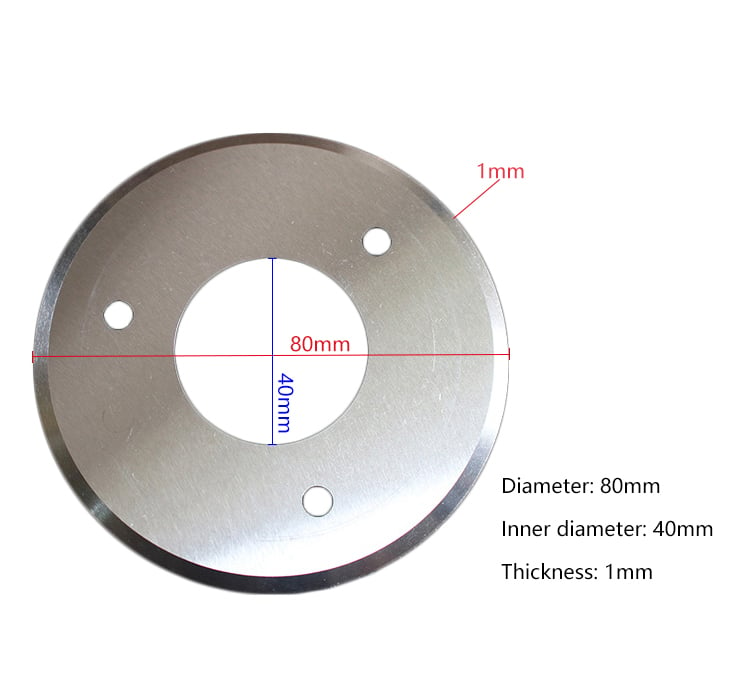
Selecting the right cutting blade for industrial applications is one of the most consequential purchasing decisions a facility manager or procurement engineer can make. The wrong cutting blade leads to accelerated wear, unexpected downtime, poor output quality, and higher long-term costs. With so many options available across materials, geometries, and coatings, knowing exactly what to evaluate before committing to a purchase is essential.
This guide walks through the ten most important factors every industrial buyer should examine when choosing a cutting blade. Whether you are processing plastics, rubber, metal scrap, wood, or paper, each of these factors directly influences how well a cutting blade performs in your specific environment. Use this framework to align your cutting blade selection with your production demands and budget expectations.
Material and Application Compatibility
Matching Blade Material to the Work Material
The base material of a cutting blade must match the hardness and abrasiveness of what it cuts. A cutting blade designed for soft plastics will degrade rapidly when used on hard rubber or metal composites. High-speed steel, tool steel, and carbide-tipped variants each serve distinct applications. Choosing the right cutting blade material ensures you get consistent performance without premature dulling.
Understanding Application Load Requirements
Beyond the work material itself, the cutting blade must handle the mechanical load your machine generates. High-torque shredders and granulators impose heavy cyclic stress on every cutting blade in the assembly. A cutting blade rated for lighter applications will crack or chip when placed under excessive load. Always verify that the cutting blade you select is rated for the specific machine type and feed rate in your process.
Geometry, Hardness, and Edge Retention
Blade Geometry and Cutting Angle
The geometry of a cutting blade, including its bevel angle, edge profile, and clearance angles, defines how efficiently it separates material. A cutting blade with a steep angle offers aggressive cutting but may chip under impact. A cutting blade with a shallow angle is more durable but requires more force per cut. Matching blade geometry to your cut type, whether shear, crush, or slice, improves output quality and reduces energy consumption significantly.
Hardness and Edge Retention Over Time
Rockwell hardness is one of the most critical specifications to review on any cutting blade datasheet. A cutting blade with higher hardness retains its edge longer in abrasive environments, but it also becomes more brittle. The ideal cutting blade balances hardness with toughness to prevent both dulling and fracture. Ask suppliers for documented hardness testing results rather than accepting generic grade classifications alone.
Surface Treatments and Coatings
Coatings such as titanium nitride or chrome treatment significantly extend cutting blade service life by reducing friction and resisting oxidation. A coated cutting blade maintains sharper edges under repeated contact with abrasive or corrosive materials. If your process involves wet conditions, heat, or chemically reactive materials, a surface-treated cutting blade is almost always the better long-term investment despite the higher upfront cost.
Dimensional Fit, Tolerances, and Maintenance
Dimensional Precision and Machine Compatibility
A cutting blade must conform precisely to the dimensional requirements of the machine it serves. Even minor deviations in thickness, bore diameter, or outer diameter can affect cutting blade alignment and create dangerous vibration. Always cross-reference the cutting blade dimensions against your machine's technical specifications before ordering. An improperly fitted cutting blade not only underperforms but also accelerates wear on adjacent components.
Regrinding Capability and Replacement Cycle
One often overlooked factor in cutting blade procurement is how many times the cutting blade can be reground before it must be replaced. A cutting blade with sufficient material thickness allows multiple regrind cycles, lowering your cost per operating hour considerably. Evaluate the regrind allowance and minimum thickness tolerance of any cutting blade you consider for long-running production environments. This factor directly affects your total cost of ownership for every cutting blade in service.
Installation, Handling, and Safety Standards
Safe handling procedures and proper installation protocols are non-negotiable for any industrial cutting blade. A cutting blade that is difficult to mount, poorly balanced, or lacking adequate fastener provisions introduces operational risk. Review the installation requirements of each cutting blade carefully and ensure your maintenance team is trained to handle the specific blade type. Standardizing on cutting blade formats that are easy to service reduces downtime and minimizes the chance of assembly errors.
FAQ
How often should an industrial cutting blade be replaced?
Replacement frequency depends on the material being processed, the machine speed, and the cutting blade material itself. Many industrial operators use regrinding to extend cutting blade life significantly before full replacement is necessary. Monitoring edge sharpness, output quality, and power draw are the most reliable indicators that a cutting blade is approaching end of service life.
What is the difference between a shear cutting blade and a crush cutting blade?
A shear cutting blade uses two opposing edges that pass closely together to slice material cleanly, similar to scissors. A crush cutting blade uses pressure from a single edge against a fixed surface to break material apart. The right cutting blade type depends on the material consistency, required particle size, and machine design. Shear cutting blade configurations typically produce cleaner cuts on flexible or fibrous materials.
Can the same cutting blade be used across different material types?
In most industrial settings, using a single cutting blade across very different material types is not recommended without verifying compatibility. A cutting blade optimized for rigid plastics will wear differently when applied to rubber or fiber materials. While some multipurpose cutting blade grades exist, their performance is generally a compromise. For best results, select a dedicated cutting blade grade matched to your primary process material.