 EN
EN

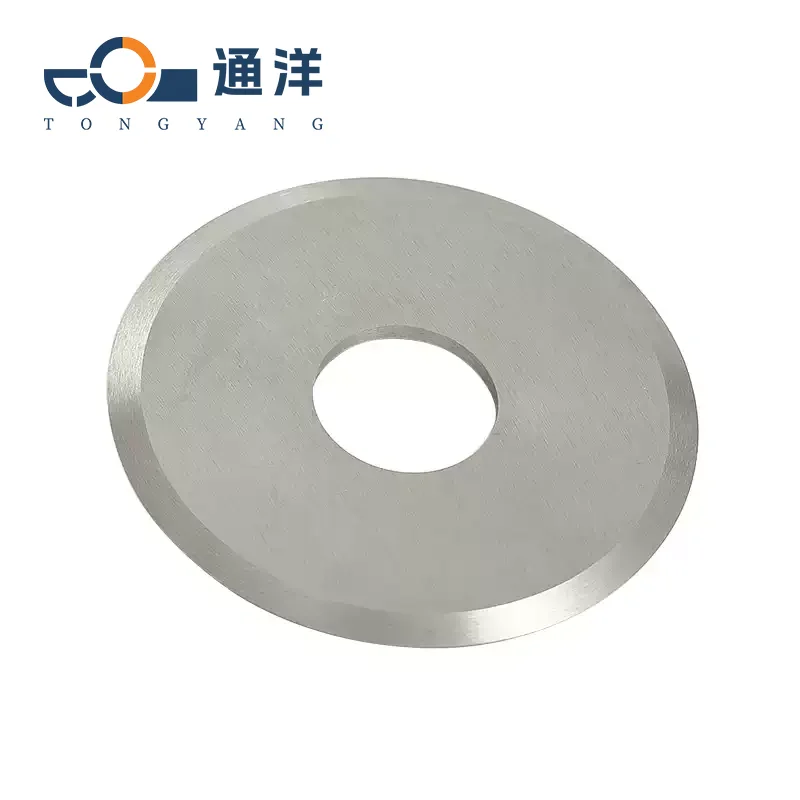
In precision film converting, the film slitting blade is one of the most critical components determining cut quality, material yield, and overall line efficiency. Whether you are processing polyester, polyethylene, polypropylene, or specialty coated films, the performance of your film slitting blade directly shapes the edge quality of every slit roll. Selecting the wrong blade type or neglecting routine maintenance can result in ragged edges, film tears, increased waste, and costly downtime across high-speed production lines.
This guide is designed to help converting engineers, production managers, and procurement specialists make better decisions around the film slitting blade. We cover the main blade types used in film slitting, the key factors that should drive your selection process, and the maintenance routines that extend service life while protecting cut quality. Understanding these fundamentals helps you reduce per-unit cutting costs and maintain tight dimensional tolerances across every production run.
Types of Film Slitting Blade Used in Converting
Razor, Rotary, and Score-Cut Blade Designs
The film slitting blade market is broadly divided into three operational designs, each suited to specific film types and machine configurations. The razor-style film slitting blade uses a thin, extremely sharp edge to shear through lightweight films with minimal force. This design is highly effective for thin polyester and BOPP films where edge cleanliness is a priority. The rotary shear film slitting blade, by contrast, uses an upper circular blade working against a lower anvil or mating blade to produce a scissor-like cutting action. This film slitting blade type handles thicker, tougher substrates and multi-layer laminates more reliably than razor designs.
Score-cut configurations involve pressing the film slitting blade directly against a hardened roll, scoring through the material without a mating blade. This approach is popular in high-speed lines where set-up simplicity matters. Each film slitting blade type has distinct edge geometry, material requirements, and operating parameters. Choosing the correct design is the foundation of any effective slitting strategy.
Blade Material and Coating Options
Beyond design geometry, the material composition of a film slitting blade has a strong influence on durability and performance. High-speed steel film slitting blade options offer a cost-effective entry point for standard film applications. Tungsten carbide film slitting blade variants deliver significantly longer service life when cutting abrasive or reinforced films. Ceramic-coated and titanium-nitride-coated film slitting blade products reduce friction and heat buildup, which is especially beneficial when slitting heat-sensitive films at elevated line speeds. The coating choice should match both the film substrate and the production volume, since higher-value coatings justify their cost only when blade change frequency and associated downtime are taken into account.
Key Factors in Film Slitting Blade Selection
Matching the Blade to Film Properties
Effective film slitting blade selection starts with a clear understanding of the film being processed. Film thickness, tensile strength, surface treatment, and static propensity all influence which film slitting blade geometry and material will perform best. A film slitting blade optimized for thin cast films will wear prematurely or produce poor edges when applied to thick woven or metalized substrates. Always review the film specification sheet alongside the blade manufacturer's application guidance before finalizing a film slitting blade selection. This alignment reduces trial-and-error time on the production line.
The slit width tolerance required also affects film slitting blade choice. Tight tolerances, common in medical packaging and electronics films, demand a film slitting blade with minimal runout, precise edge geometry, and robust mounting hardware. In these applications, a film slitting blade made from premium carbide or fitted with precision-ground edges will outperform a standard utility blade significantly over time.
Machine Speed, Tension, and Setup Parameters
Line speed and web tension settings interact directly with film slitting blade performance. At higher line speeds, a film slitting blade experiences increased thermal stress and vibration. A film slitting blade that performs acceptably at moderate speeds may chatter, deflect, or dull prematurely when the same line is accelerated. Selecting a film slitting blade with the right rigidity, shank design, and edge angle for your operating speed range is essential. Similarly, web tension that is too high can cause a film slitting blade to drag rather than cut cleanly, accelerating wear and distorting slit edges. Calibrating tension settings in coordination with film slitting blade geometry is a basic but often overlooked part of setup. Consulting the blade supplier's recommended operating parameters when commissioning a new film slitting blade reduces setup time and scrap rates.
Film Slitting Blade Maintenance for Long Service Life
Inspection Intervals and Wear Indicators
A structured maintenance program for the film slitting blade starts with consistent inspection intervals. Production teams should inspect each film slitting blade at scheduled intervals based on footage processed, not only on shift time. Visual inspection can reveal nicks, rolled edges, or surface oxidation on the film slitting blade that signal imminent quality failure. Monitoring slit edge quality in real time is also effective — a degrading film slitting blade will typically produce increasing edge fray, dust generation, or width variation before it fails catastrophically. Establishing a film slitting blade change-out log helps correlate blade life data with specific film types, line speeds, and environmental conditions, enabling predictive replacement schedules.
Cleaning, Storage, and Handling Practices
Proper handling of a film slitting blade between uses dramatically extends its usable life. Film adhesives, dust, and static charge can accumulate on the film slitting blade edge and body during production, accelerating corrosion and dulling the cutting geometry. Cleaning each film slitting blade with an appropriate solvent after removal and before storage prevents adhesive buildup from hardening. The film slitting blade should be stored in a dry, temperature-stable environment, ideally in a dedicated blade holder or protective sleeve that prevents contact with other metal tools. Never stack unprotected film slitting blade units loosely in a drawer, as edge-to-edge contact causes micro-chipping that is difficult to detect visually but noticeably affects cut quality. Proper storage alone can extend a film slitting blade service life by a meaningful margin without any additional investment.
Regrinding is another cost-effective maintenance option for certain film slitting blade designs. Carbide and high-speed steel film slitting blade units can often be reground multiple times before replacement is necessary. Working with a qualified regrinding service that understands film slitting blade geometry ensures that edge angles are restored to original specification rather than altered during the process. Track reground film slitting blade performance separately to verify that reground units meet your quality standards across the full blade life cycle.
FAQ
How often should a film slitting blade be replaced?
Replacement frequency for a film slitting blade depends on the film substrate, line speed, and quality standards. Most operations establish a footage-based replacement schedule by tracking when edge quality begins to degrade. A film slitting blade cutting abrasive or thick films will require more frequent replacement than one used on standard BOPP or PET films. Maintaining a blade change log helps you identify the optimal replacement point for each application.
What causes a film slitting blade to produce ragged edges?
Ragged slit edges are usually caused by a dull or damaged film slitting blade, incorrect blade geometry for the film type, or improper web tension. A film slitting blade that has developed nicks or a rolled edge will tear rather than cut the film cleanly. Reviewing both the blade condition and the machine setup parameters is the recommended first step when edge quality problems appear.
Can one film slitting blade type work across all film materials?
No single film slitting blade design is universally optimal for all film materials. Razor-style blades excel with thin and lightweight films, while rotary shear and carbide film slitting blade options are better suited to thick, reinforced, or abrasive substrates. Matching the film slitting blade design and material to the specific film properties and machine configuration is essential for achieving consistent quality and maximum blade life across different production applications.