 EN
EN

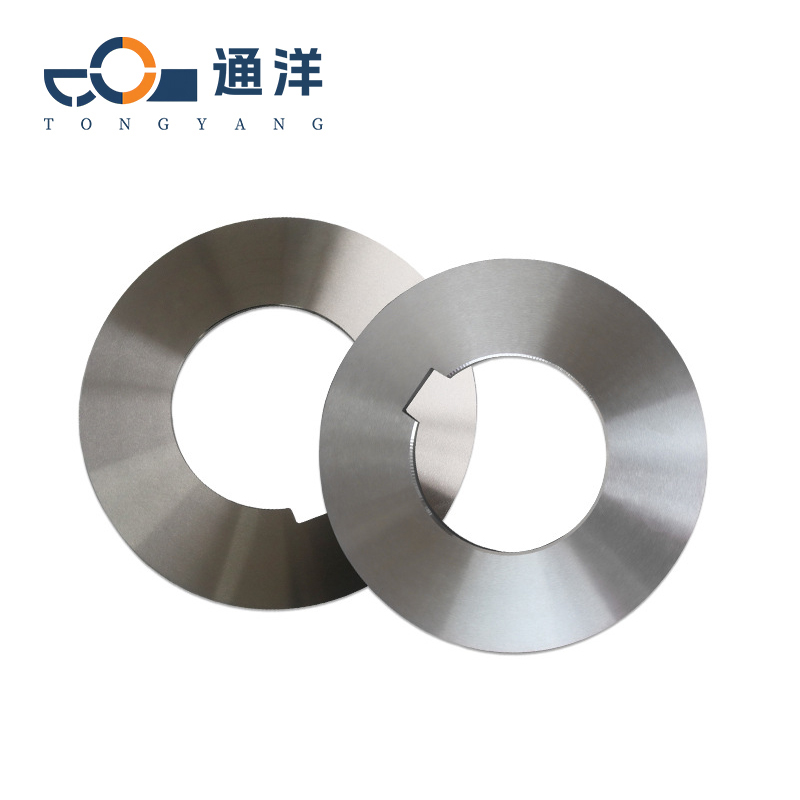
Every leather crafter knows that the quality of a cut determines everything that follows. Whether you are working on belts, wallets, bags, or saddle pieces, a precise leather cutting blade is the foundation of clean, professional results. The circular knife, in particular, has earned its place as one of the most versatile and efficient tools in any serious leather workshop. Understanding what makes a leather cutting blade effective — and how to choose the right one — is the first step toward elevating your craft.
The circular knife is distinct from straight blades and box cutters. Its wheel-shaped leather cutting blade rolls through material with continuous contact, reducing drag and minimizing tearing on the surface fibers. For crafters who regularly cut curves, long strips, or layered leather panels, the rolling action of a circular leather cutting blade offers a level of control and consistency that flat blades simply cannot match. This guide explores the key factors you need to consider when selecting the ideal leather cutting blade for your workshop needs.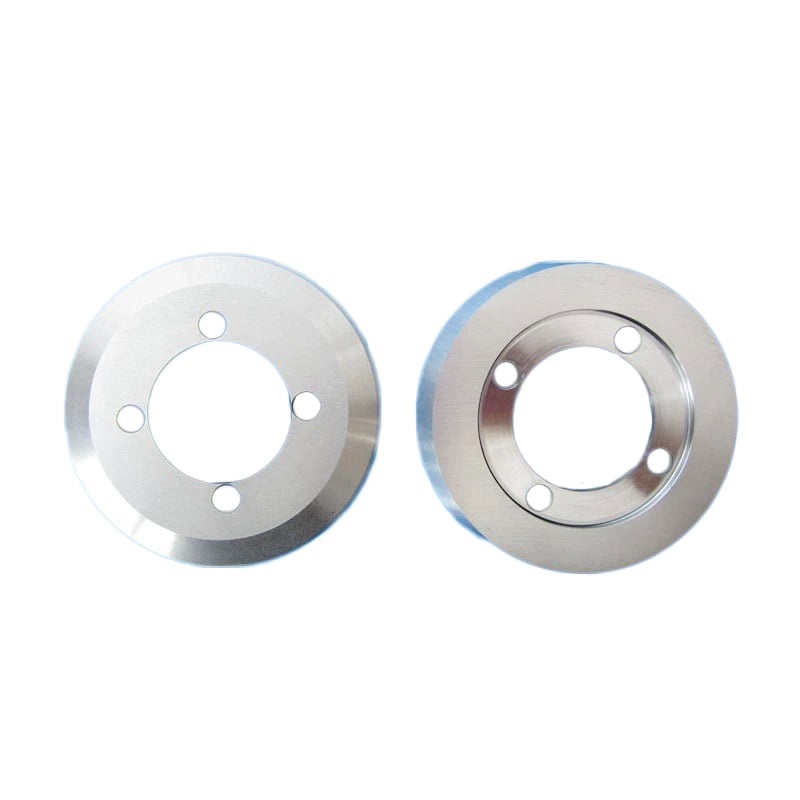
Types of Leather Cutting Blade Designs
The Circular Rolling Blade
A circular leather cutting blade operates on a pivot mechanism, allowing it to roll smoothly across the surface of hides and panels. The blade's round edge maintains consistent contact throughout the cut, which is especially important when cutting long, uninterrupted lines or gentle curves. A quality leather cutting blade in circular form is typically made from high-carbon steel or stainless steel, both of which hold a sharp edge under repeated use. The blade diameter also matters — smaller diameters give tighter curve control, while larger diameters are better suited for straight, long cuts through thicker hides.
When evaluating a circular leather cutting blade, look at the blade thickness and bevel angle. A thinner, acutely beveled leather cutting blade will slice cleanly through vegetable-tanned leather and chrome-tanned hides alike. A thicker blade may require more pressure and can compress fibers rather than sever them cleanly. For fine craft work, a sharp, thin-profile leather cutting blade delivers the most reliable edge definition.
Straight and Skiving Blade Variants
While the circular leather cutting blade is the focus here, understanding its relatives helps you make a more informed choice. Straight-edge leather cutting blade designs are ideal for guided ruler cuts and precise geometric patterns. Skiving blades, which are a specialized form of leather cutting blade, are used to thin the edges of leather before folding or stitching. Each leather cutting blade type has a specific purpose, and many experienced crafters keep several on hand. The circular version, however, remains the most adaptable leather cutting blade for freehand and template-guided work.
What to Look for in a Leather Cutting Blade
Material and Edge Retention
The steel composition of a leather cutting blade directly affects how long it stays sharp and how easy it is to resharpen. High-carbon steel is a popular choice for a leather cutting blade because it achieves a very fine edge and responds well to stropping and honing. Stainless steel offers better corrosion resistance, making it a practical leather cutting blade choice for workshops in humid environments. Some premium options use tool-grade alloys that combine both hardness and toughness, allowing the leather cutting blade to withstand extended use without chipping or dulling prematurely.
Edge retention is critical because a dull leather cutting blade does not just produce poor cuts — it forces you to use more pressure, which increases the risk of slipping and damaging your workpiece. A well-maintained leather cutting blade should be stropped regularly on a leather strop loaded with polishing compound. Replacing a worn leather cutting blade promptly is also important, as a compromised edge cannot be fully restored through stropping alone.
Handle Ergonomics and Balance
A leather cutting blade is only as effective as the handle that controls it. For circular knives, the handle is typically positioned above the blade hub, allowing the crafter to apply downward pressure while rolling. A well-balanced leather cutting blade handle reduces hand fatigue during extended cutting sessions. Look for handles made from durable materials such as hardwood, resin, or reinforced polymer. The grip circumference should feel natural in your palm, and the connection between the handle and the leather cutting blade hub should be firm with no lateral play. Any wobble in the pivot of a circular leather cutting blade will result in inconsistent cuts and increased surface tearing.
Practical Tips for Clean Cuts with a Circular Knife
Surface and Backing Preparation
Using the right cutting surface dramatically improves the performance of your leather cutting blade. A self-healing cutting mat or a thick rubber mat provides the ideal backing for a circular leather cutting blade. These surfaces allow the blade edge to complete its pass fully without bottoming out on a hard surface, which would dull the leather cutting blade rapidly. Avoid cutting directly on wood or glass, as these surfaces are harsh on the leather cutting blade edge and can cause micro-chips in the steel. A proper cutting mat also stabilizes the leather piece, preventing shifting that leads to uneven cuts.
Blade Maintenance and Replacement Cycles
Maintaining a sharp leather cutting blade requires consistent practice. After each cutting session, wipe the leather cutting blade clean and apply a light coat of blade oil or mineral oil to prevent oxidation. Strop the leather cutting blade on a flat leather strop using a fine abrasive compound before each major project. For circular blades, some models offer replaceable blade inserts, which means you can swap in a fresh leather cutting blade disc rather than resharpening the entire assembly. This is particularly convenient for production environments where a consistently sharp leather cutting blade is critical to output quality and craft consistency.
Knowing when to replace rather than resharpen your leather cutting blade is a judgment call that comes with experience. If the leather cutting blade shows visible nicks, a rolled edge, or consistently tears rather than slices leather fibers, it is time for a replacement. Keeping spare leather cutting blade inserts or full replacement blades in your kit ensures you are never caught mid-project with a compromised tool.
FAQ
What is the best steel type for a leather cutting blade used in circular knives?
High-carbon steel is widely preferred for a circular leather cutting blade because it achieves an extremely fine, razor-sharp edge. It stropped easily and responds well to regular maintenance. For crafters working in humid conditions, a stainless-steel leather cutting blade offers practical corrosion resistance without significant sacrifice in edge quality.
How often should I replace or resharpen my leather cutting blade?
A leather cutting blade used for regular craft projects should be stropped before each session. Full resharpening or replacement depends on frequency of use and leather type. If the leather cutting blade is tearing fibers instead of slicing cleanly, or if stropping no longer restores the edge, it is time for a replacement or professional sharpening service.
Can a single circular leather cutting blade handle all leather thicknesses?
A standard circular leather cutting blade handles most vegetable-tanned and chrome-tanned leathers up to around four to five millimeters in thickness. For heavier bridle leather or double-shoulder hides, a heavier-duty leather cutting blade with a wider bevel and larger diameter is recommended. Matching the leather cutting blade specification to your material ensures clean, consistent cuts without excessive force.