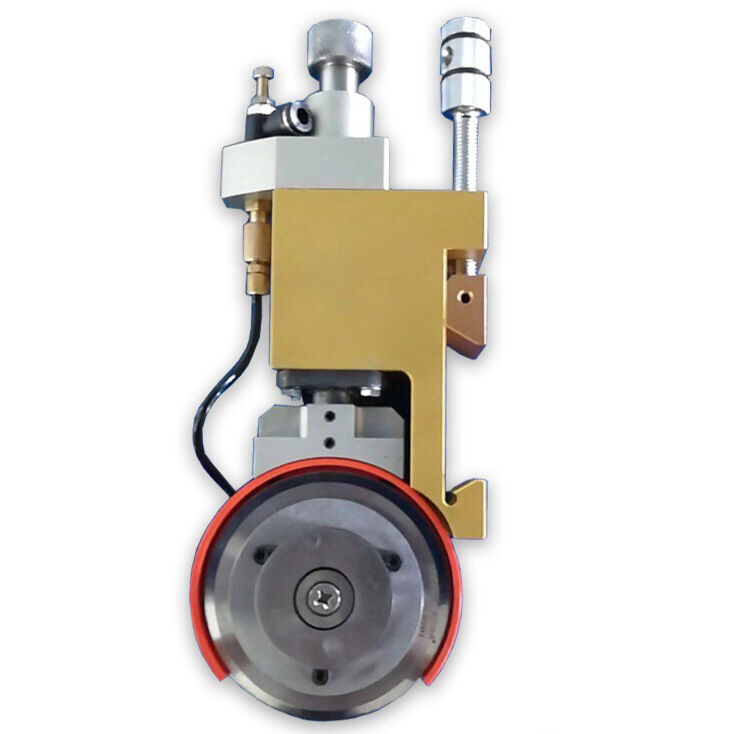
Enhanced Safety and Ergonomic Benefits for Operator Wellbeing
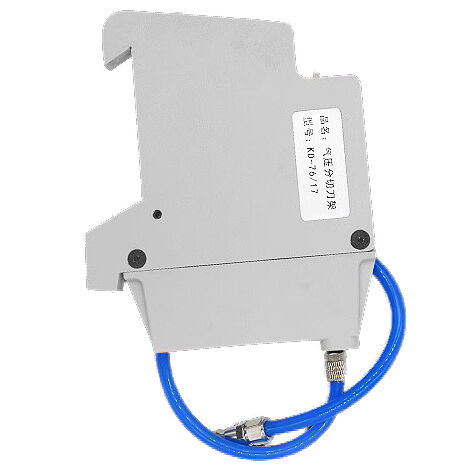
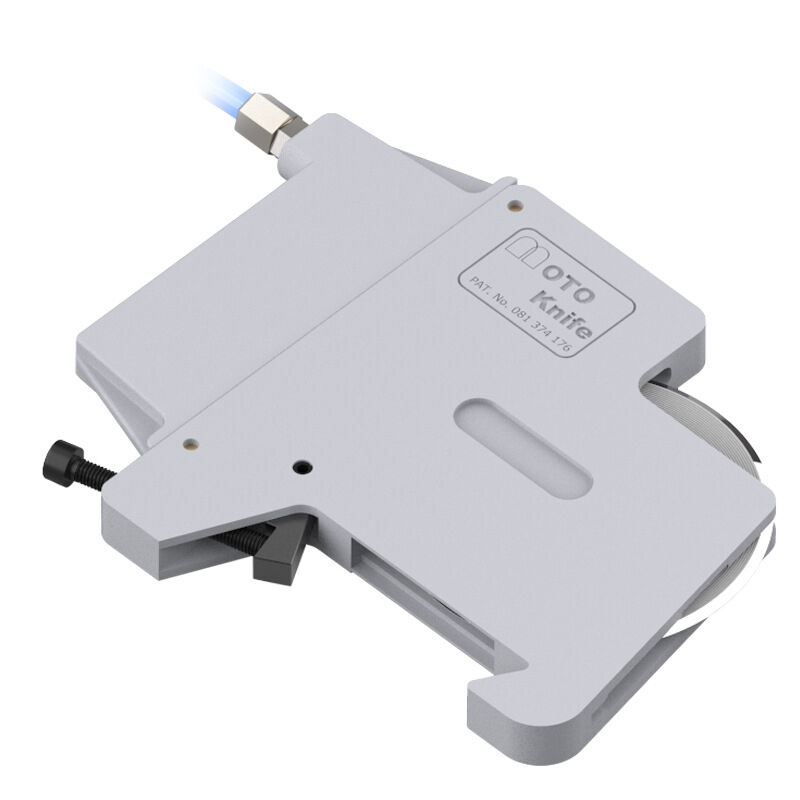
The pneumatic knife holder addresses critical workplace safety and ergonomic concerns that affect operator health, comfort, and long-term occupational wellbeing in manufacturing environments. Traditional tool holding systems require operators to apply significant physical force using wrenches and torque tools to achieve proper clamping, creating repetitive strain that accumulates over work shifts and across career spans, potentially leading to musculoskeletal disorders affecting hands, wrists, shoulders, and back. This pneumatic knife holder eliminates these physical demands by replacing manual force application with simple air valve activation that requires minimal effort, dramatically reducing the biomechanical stress placed on operator bodies during routine tool change procedures. The ergonomic advantages extend beyond just force reduction to include improved working postures, as the pneumatic knife holder design allows operators to position themselves more naturally when installing tools rather than contorting to apply wrench leverage in confined machine spaces. Safety improvements emerge from multiple aspects of pneumatic knife holder operation, beginning with the elimination of struck-by hazards associated with wrenches slipping during manual tightening, an occurrence that can cause hand injuries, bruises, or more serious trauma when tools slip unexpectedly. The controlled, predictable release provided by the pneumatic knife holder prevents the sudden, uncontrolled tool drops that sometimes occur when manual retention systems are loosened, protecting both operators and expensive cutting tools from damage. Facilities implementing this pneumatic knife holder technology report fewer workers compensation claims related to repetitive strain injuries, contributing to improved safety statistics and reduced insurance costs while demonstrating organizational commitment to employee welfare. The system also enhances mental safety by reducing the cognitive load and stress operators experience when manually installing tools, as there is no uncertainty about whether adequate tightening force has been applied or concern about potential tool slippage during operation. Younger workers entering manufacturing careers find the pneumatic knife holder technology more intuitive and less physically intimidating than traditional systems, supporting workforce development initiatives and helping facilities attract talent in competitive labor markets. The reduced physical demands enable experienced operators to extend their productive careers by minimizing the cumulative wear that might otherwise force early retirement due to repetitive strain conditions.
 EN
EN