 EN
EN

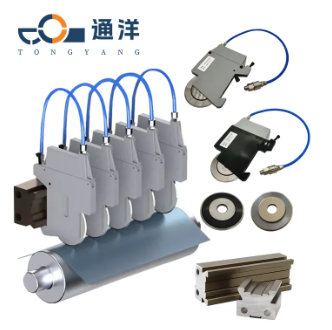
Manufacturing industries worldwide rely on precision cutting equipment to maintain competitive advantages and deliver superior product quality. Among the most critical components in automated cutting systems, the pneumatic blade holder stands as a cornerstone technology that determines cutting accuracy, operational efficiency, and overall production outcomes. These sophisticated devices combine pneumatic power with precision engineering to create cutting solutions that exceed traditional mechanical alternatives in both performance and reliability.
The evolution of cutting technology has transformed manufacturing processes across multiple sectors, from automotive and aerospace to textiles and packaging. Modern pneumatic blade holder systems integrate advanced materials, precision control mechanisms, and intelligent monitoring capabilities to deliver consistent results under demanding operational conditions. Understanding the key features that distinguish superior pneumatic blade holder designs enables manufacturers to make informed decisions that directly impact production efficiency and product quality standards.
Investment in high-quality cutting equipment requires careful evaluation of technical specifications, operational requirements, and long-term performance expectations. The following comprehensive analysis explores the five most important features that define exceptional pneumatic blade holder performance, providing manufacturing professionals with essential insights for equipment selection and optimization strategies.
Advanced Pressure Control Systems
Dynamic Pressure Regulation Technology
Contemporary pneumatic blade holder designs incorporate sophisticated pressure regulation systems that maintain consistent cutting force throughout extended operation cycles. These systems utilize precision pressure sensors, electronic control valves, and real-time feedback mechanisms to automatically adjust pneumatic pressure based on material characteristics and cutting requirements. The ability to maintain optimal pressure levels ensures uniform cutting quality while preventing blade wear and material damage.
Advanced pressure control systems feature programmable pressure profiles that accommodate different material types and thicknesses within a single production run. This flexibility eliminates the need for manual adjustments and reduces setup time between different cutting operations. Manufacturers benefit from improved consistency, reduced waste, and enhanced productivity when utilizing pneumatic blade holder systems with intelligent pressure management capabilities.
Precision Pressure Monitoring
Real-time pressure monitoring capabilities enable operators to track system performance and identify potential issues before they affect production quality. Modern pneumatic blade holder units integrate digital pressure displays, alarm systems, and data logging functions that provide comprehensive operational visibility. These monitoring systems help maintenance teams optimize service schedules and prevent unexpected downtime.
The integration of pressure monitoring with manufacturing execution systems allows for predictive maintenance strategies and quality control optimization. Historical pressure data analysis reveals patterns that indicate optimal operating parameters for specific materials and applications. This data-driven approach to pneumatic blade holder operation significantly improves overall equipment effectiveness and reduces total cost of ownership.
High-Precision Blade Positioning Mechanisms
Micro-Adjustment Capabilities
Precision manufacturing demands exact blade positioning to achieve consistent cutting results across diverse material specifications. Advanced pneumatic blade holder systems incorporate micro-adjustment mechanisms that enable fine-tuning of blade position with sub-millimeter accuracy. These systems typically feature graduated adjustment scales, locking mechanisms, and repeatable positioning capabilities that ensure consistent setup reproduction.
The implementation of servo-controlled positioning systems in modern pneumatic blade holder designs provides automated blade positioning with exceptional repeatability. These systems can store multiple position presets for different cutting applications, enabling rapid changeover between production runs while maintaining precise cutting parameters. Manufacturing facilities benefit from reduced setup time and improved process standardization.
Multi-Axis Positioning Control
Contemporary cutting applications often require complex blade movements and positioning across multiple axes to achieve desired cutting patterns and material separation. Advanced pneumatic blade holder systems integrate multi-axis control capabilities that coordinate blade movement in X, Y, and Z directions with precise timing and positioning accuracy. This capability enables complex cutting operations such as beveled edges, compound angles, and three-dimensional cutting profiles.
The synchronization of multi-axis movement with pneumatic actuation creates opportunities for sophisticated cutting operations that were previously impossible with traditional mechanical systems. These capabilities expand the range of applications for pneumatic blade holder technology and enable manufacturers to address complex customer requirements while maintaining high production speeds and quality standards.
Enhanced Safety and Protection Features
Integrated Safety Interlock Systems
Safety considerations play a crucial role in pneumatic blade holder design, as these systems operate at high pressures and involve sharp cutting implements. Modern designs incorporate comprehensive safety interlock systems that prevent operation under unsafe conditions and protect both operators and equipment from potential hazards. These systems include pressure relief valves, emergency stop functions, and automatic blade retraction mechanisms.
Advanced safety systems integrate with facility safety networks to provide coordinated protection across entire production lines. When safety conditions are detected, the pneumatic blade holder system can automatically shut down and signal other equipment to cease operation. This integrated approach to safety management reduces the risk of accidents and ensures compliance with industrial safety standards and regulations.
Blade Protection and Containment
Effective blade protection systems extend cutting tool life while preventing contamination of work areas and finished products. Modern pneumatic blade holder designs incorporate enclosed blade chambers, debris collection systems, and blade wear monitoring capabilities. These features maintain clean cutting environments and provide early warning of blade replacement requirements.
The implementation of blade containment systems also improves operator safety by preventing accidental contact with cutting edges during operation and maintenance activities. Automated blade covers and guards that operate in conjunction with the pneumatic actuation system ensure consistent protection while allowing necessary access for blade changes and system maintenance.
Rapid Response and Cycle Time Optimization
High-Speed Pneumatic Actuation
Production efficiency in modern manufacturing environments demands rapid cutting cycles without compromising precision or quality. Advanced pneumatic blade holder systems utilize high-flow pneumatic valves, optimized air passages, and lightweight actuator components to achieve extremely fast response times. These design improvements enable cycle times that significantly exceed traditional mechanical cutting systems while maintaining superior accuracy.
The optimization of pneumatic circuit design includes the use of quick-exhaust valves, flow control restrictions, and pressure accumulation chambers that enhance system responsiveness. These components work together to minimize dead time between cutting cycles and maximize throughput in high-volume production environments. Manufacturers implementing advanced pneumatic blade holder technology often experience productivity improvements of twenty to thirty percent compared to conventional cutting methods.
Intelligent Cycle Optimization
Contemporary pneumatic blade holder systems incorporate intelligent control algorithms that optimize cutting cycles based on material properties, quality requirements, and production targets. These systems analyze cutting performance data in real-time and automatically adjust operational parameters to maintain optimal balance between speed and quality. This adaptive approach ensures consistent results while maximizing production efficiency.
The integration of machine learning capabilities enables pneumatic blade holder systems to continuously improve performance through operational experience. These systems identify optimal cutting parameters for specific material combinations and automatically apply learned settings to similar applications. This self-optimizing capability reduces the need for manual parameter adjustment and ensures consistent performance improvements over time.
Versatile Material Compatibility
Multi-Material Cutting Capabilities
Modern manufacturing operations often require processing diverse material types within single production runs, demanding cutting systems that adapt quickly to changing requirements. Advanced pneumatic blade holder designs accommodate wide ranges of material properties, from thin films and flexible materials to rigid composites and metal sheets. This versatility eliminates the need for multiple specialized cutting systems and reduces equipment investment requirements.
The adaptation to different materials involves automatic adjustment of cutting pressure, blade speed, and approach angles based on material identification systems or operator input. These adaptive capabilities ensure optimal cutting quality across material types while preventing damage to sensitive materials or excessive wear on cutting components. Pneumatic blade holder systems with broad material compatibility provide significant operational flexibility and cost advantages.
Specialized Blade Interface Systems
Different cutting applications require specialized blade geometries and mounting configurations to achieve optimal results. Modern pneumatic blade holder systems feature modular blade interface designs that accommodate various blade types, sizes, and mounting systems without requiring major equipment modifications. This modularity enables rapid changeover between different cutting operations and applications.
The implementation of quick-change blade systems reduces downtime associated with blade replacement and enables efficient utilization of specialized cutting tools for specific applications. These systems typically include automatic blade positioning, secure locking mechanisms, and tool identification capabilities that ensure proper setup and prevent operational errors. Manufacturing facilities benefit from improved flexibility and reduced changeover costs when utilizing pneumatic blade holder systems with advanced blade interface capabilities.
FAQ
What maintenance requirements are typical for pneumatic blade holder systems
Regular maintenance for pneumatic blade holder systems includes daily air filter inspection and cleaning, weekly lubrication of moving components, monthly calibration verification of pressure control systems, and quarterly replacement of seals and gaskets. Proper maintenance schedules typically extend equipment life by three to five years while maintaining optimal cutting performance and safety compliance.
How do pneumatic blade holder systems compare to electric alternatives in terms of performance
Pneumatic blade holder systems generally provide superior speed and power-to-weight ratios compared to electric alternatives, making them ideal for high-speed cutting applications. While electric systems may offer more precise control in some applications, pneumatic systems excel in harsh environments where moisture, dust, or explosive atmospheres make electric equipment unsuitable. The choice depends on specific application requirements and environmental conditions.
What safety certifications should be considered when selecting pneumatic blade holder equipment
Essential safety certifications for pneumatic blade holder systems include ISO 13849 for functional safety, OSHA compliance for workplace safety, and CE marking for European markets. Additional certifications such as ATEX for explosive atmosphere applications or FDA approval for food processing may be required depending on the intended application environment and regulatory requirements.
Can pneumatic blade holder systems integrate with existing automation equipment
Modern pneumatic blade holder systems feature standardized communication protocols including Ethernet/IP, Profinet, and DeviceNet that enable seamless integration with existing automation systems. Most systems also provide discrete input and output signals for basic control integration. Successful integration typically requires coordination between the pneumatic blade holder supplier and automation system integrator to ensure proper communication and safety interlocking.
Table of Contents
- Advanced Pressure Control Systems
- High-Precision Blade Positioning Mechanisms
- Enhanced Safety and Protection Features
- Rapid Response and Cycle Time Optimization
- Versatile Material Compatibility
-
FAQ
- What maintenance requirements are typical for pneumatic blade holder systems
- How do pneumatic blade holder systems compare to electric alternatives in terms of performance
- What safety certifications should be considered when selecting pneumatic blade holder equipment
- Can pneumatic blade holder systems integrate with existing automation equipment