 EN
EN

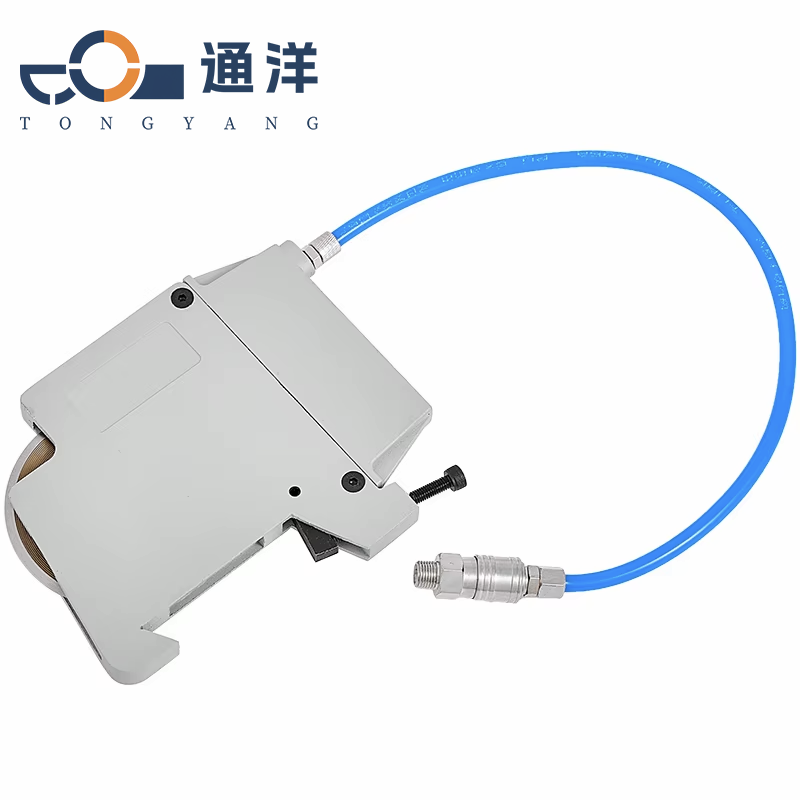
The manufacturing industry continues to evolve with advanced cutting technologies, and selecting the right pneumatic blade holder has become crucial for achieving precision and efficiency in automated cutting operations. Modern pneumatic blade holders offer superior control, consistent performance, and enhanced safety features that make them indispensable tools in various industrial applications. Understanding the key specifications, performance characteristics, and operational requirements will help you make an informed decision when investing in these critical components for your cutting systems.
Understanding Pneumatic Blade Holder Technology
Core Operating Principles
A pneumatic blade holder operates through compressed air pressure to control blade movement and cutting force. The system utilizes precision-engineered air cylinders and valves to provide consistent downward pressure while maintaining accurate blade positioning throughout the cutting process. This technology ensures uniform cutting depth and reduces material waste compared to manual cutting methods.
The pneumatic mechanism allows for rapid cycle times and repeatable performance across thousands of cutting operations. Advanced models incorporate pressure regulation systems that automatically adjust cutting force based on material thickness and density, optimizing the cutting process for different applications without manual intervention.
Key Components and Design Features
Modern pneumatic blade holder systems consist of several critical components including the air cylinder assembly, blade mounting mechanism, pressure regulation valve, and safety interlock systems. The air cylinder provides the primary cutting force while the mounting mechanism ensures secure blade attachment and proper alignment during operation.
High-quality units feature adjustable pressure settings, quick-release blade mechanisms, and integrated safety guards to protect operators during blade changes and maintenance procedures. The design typically incorporates corrosion-resistant materials and sealed components to withstand harsh industrial environments while maintaining consistent performance over extended operating periods.
Performance Specifications and Selection Criteria
Pressure and Force Requirements
When evaluating pneumatic blade holder options, pressure specifications directly impact cutting capability and application suitability. Most industrial units operate within a pressure range of 80 to 120 PSI, with cutting forces ranging from 50 to 500 pounds depending on the specific model and configuration.
The relationship between air pressure and cutting force must align with your material requirements and production volumes. Thicker materials and high-density substrates require higher cutting forces, while delicate materials benefit from lower pressure settings to prevent damage or excessive compression during the cutting process.
Blade Compatibility and Mounting Systems
Blade mounting systems vary significantly between manufacturers, affecting both blade selection options and operational flexibility. Universal mounting systems accommodate standard blade configurations, while proprietary systems may offer enhanced performance but limit blade sourcing options.
Consider the range of blade types your operations require, including straight blades, rotary blades, and specialized cutting tools. The pneumatic blade holder mounting mechanism should provide secure blade retention while allowing quick changes to minimize production downtime.
Application-Specific Considerations
Material Processing Requirements
Different materials present unique challenges that influence pneumatic blade holder selection. Flexible materials like rubber, foam, and textiles require consistent downward pressure without excessive compression, while rigid materials such as plastics and composites need higher cutting forces and precise blade positioning.
The pneumatic blade holder must accommodate varying material thicknesses within your production range. Adjustable pressure settings and stroke length options provide the flexibility needed to process diverse materials without compromising cut quality or requiring equipment changes between jobs.
Production Volume and Cycle Time Optimization
High-volume production environments demand pneumatic blade holder systems capable of maintaining consistent performance through extended operating cycles. Rapid cycling capabilities reduce overall processing time while maintaining cut quality standards across large production runs.
Advanced pneumatic blade holder models incorporate features such as programmable pressure profiles, automatic blade positioning, and integrated monitoring systems that optimize cycle times while ensuring consistent results. These capabilities become increasingly important as production volumes increase and quality tolerances become more stringent.
Installation and Integration Considerations
System Compatibility and Integration
Successful pneumatic blade holder implementation requires careful consideration of existing equipment and system compatibility. The unit must integrate seamlessly with your current cutting table, material handling systems, and control interfaces to maintain efficient workflow and minimize installation complexity.
Mounting options, electrical connections, and air supply requirements should align with your facility infrastructure. Many pneumatic blade holder systems offer modular designs that simplify integration while providing upgrade paths for future capability expansion.
Maintenance and Service Requirements
Regular maintenance ensures optimal pneumatic blade holder performance and extends equipment lifespan. Maintenance requirements typically include periodic lubrication, air filter replacement, seal inspection, and blade alignment verification.
Consider models with accessible service points, replaceable wear components, and comprehensive documentation to minimize maintenance time and costs. Reliable supplier support and parts availability are crucial factors that impact long-term operational efficiency and total cost of ownership.
Quality and Performance Validation
Testing and Evaluation Procedures
Before full-scale production begins, thorough testing must be conducted to verify the performance and safety of the pneumatic blade holder. Test procedures should include cut quality assessment, pressure consistency verification, and cycle time measurement using representative production materials.
Document baseline performance metrics to establish benchmarks for ongoing quality monitoring and troubleshooting. Regular performance validation helps identify potential issues before they impact production quality or efficiency.
Quality Control and Monitoring Systems
Integrated monitoring capabilities provide real-time feedback on pneumatic blade holder performance and cut quality. Advanced systems include pressure monitoring, position feedback, and cut force measurement to ensure consistent results across production runs.
Automated quality control systems can detect variations in cutting performance and trigger corrective actions or operator alerts before defective products are produced. These capabilities become essential for high-volume operations where manual quality inspection is impractical.
Cost Analysis and Return on Investment
Initial Investment and Equipment Costs
Pneumatic blade holder pricing varies significantly based on features, capacity, and manufacturer specifications. Entry-level units suitable for light-duty applications may cost several thousand dollars, while high-performance systems for industrial applications can require substantial capital investments.
Compare total system costs including installation, training, and initial tooling when evaluating different options. Consider financing options and supplier support packages that may reduce initial investment requirements while providing comprehensive implementation support.
Operational Savings and Efficiency Benefits
Properly selected pneumatic blade holder systems deliver measurable operational benefits through reduced labor costs, improved cut quality, and decreased material waste. Automated cutting operations eliminate variability associated with manual cutting while increasing production throughput.
Calculate potential savings from reduced scrap rates, faster cycle times, and improved operator productivity to determine realistic payback periods. Many operations achieve return on investment within 12 to 18 months through operational improvements and quality enhancements.
Future Technology Trends and Considerations
Advanced Control Systems and Automation
Emerging pneumatic blade holder technologies incorporate sophisticated control systems with programmable cutting profiles, adaptive pressure control, and integrated quality monitoring. These advances enable more precise control over cutting operations while reducing setup time and operator skill requirements.
Integration with manufacturing execution systems and Industry 4.0 initiatives provides enhanced data collection and process optimization capabilities. Future pneumatic blade holder systems will likely offer increased connectivity and intelligent automation features that further improve operational efficiency.
Sustainability and Environmental Considerations
Environmental regulations and sustainability initiatives influence pneumatic blade holder design and operation. Energy-efficient systems, reduced air consumption, and environmentally friendly materials become increasingly important selection criteria.
Consider systems with energy recovery features, optimized air consumption, and recyclable components when evaluating long-term environmental impact. These features may provide operational cost savings while supporting corporate sustainability objectives.
FAQ
What air pressure requirements are typical for pneumatic blade holder operation
Most pneumatic blade holder systems operate efficiently within an air pressure range of 80 to 120 PSI, though specific requirements vary based on cutting force needs and material types. Consult manufacturer specifications to ensure your compressed air system provides adequate pressure and volume for consistent operation.
How often should pneumatic blade holder maintenance be performed
Regular maintenance intervals depend on operating conditions and usage intensity, but most systems benefit from weekly lubrication checks, monthly air filter inspection, and quarterly comprehensive service. High-volume operations may require more frequent maintenance to ensure optimal performance and prevent unexpected downtime.
Can pneumatic blade holder systems accommodate different blade types and sizes
Many pneumatic blade holder models feature adjustable mounting systems that accommodate various blade configurations including straight blades, rotary cutters, and specialized tools. Verify blade compatibility requirements with your supplier to ensure the system meets your current and future cutting needs.
What safety features should be considered when selecting a pneumatic blade holder
Essential safety features include blade guards, emergency stop controls, pressure relief valves, and interlock systems that prevent operation during blade changes. Look for systems with comprehensive safety documentation and compliance with relevant industrial safety standards to protect operators and minimize liability risks.
Table of Contents
- Understanding Pneumatic Blade Holder Technology
- Performance Specifications and Selection Criteria
- Application-Specific Considerations
- Installation and Integration Considerations
- Quality and Performance Validation
- Cost Analysis and Return on Investment
- Future Technology Trends and Considerations
-
FAQ
- What air pressure requirements are typical for pneumatic blade holder operation
- How often should pneumatic blade holder maintenance be performed
- Can pneumatic blade holder systems accommodate different blade types and sizes
- What safety features should be considered when selecting a pneumatic blade holder