 EN
EN

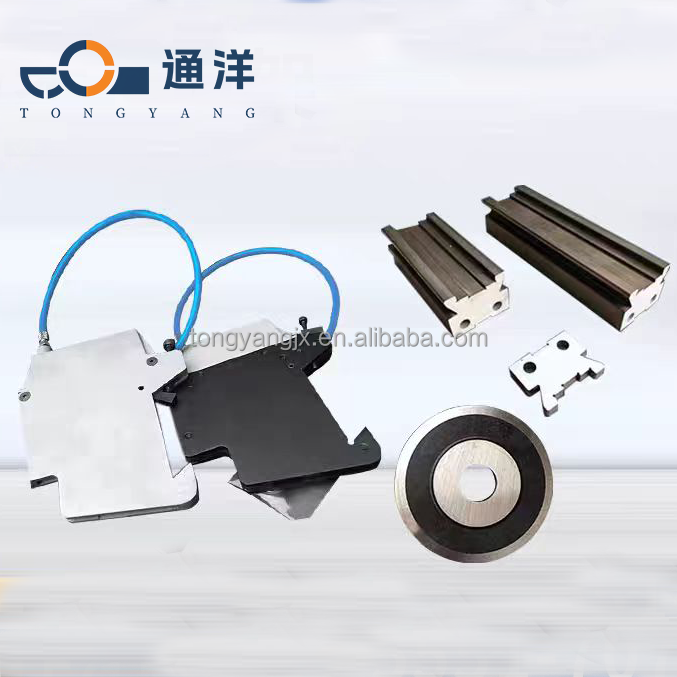
Industrial cutting operations rely heavily on precision equipment to maintain production efficiency and product quality. A pneumatic knife represents one of the most versatile and reliable cutting solutions in manufacturing environments, offering clean cuts across various materials while maintaining consistent performance. However, like any mechanical system, these air-powered cutting tools can experience operational challenges that impact productivity and cut quality.
Understanding the most frequent issues that affect pneumatic cutting systems enables operators to implement rapid solutions, minimizing downtime and maintaining operational continuity. From air pressure irregularities to blade alignment problems, each issue requires specific diagnostic approaches and targeted remedies. Proper troubleshooting techniques not only restore equipment functionality but also extend the lifespan of critical components.
This comprehensive guide addresses the five most common challenges encountered in pneumatic knife operations, providing practical solutions that maintenance teams and operators can implement immediately. By recognizing early warning signs and understanding root causes, facilities can prevent minor issues from escalating into costly equipment failures and production delays.
Air Pressure Inconsistency Issues
Identifying Pressure Fluctuation Symptoms
Pressure inconsistency manifests through several observable symptoms that directly impact cutting performance. Operators typically notice irregular cutting depths, where the blade penetrates materials unevenly across the cutting path. The pneumatic knife may also exhibit delayed response times when activating, creating hesitation in the cutting cycle that disrupts production flow.
Another clear indicator involves audible changes in the air system operation. Normal pneumatic knife systems produce consistent hissing sounds during activation, but pressure issues create irregular noise patterns including whistling, chattering, or complete silence during expected operation periods. Visual inspection often reveals inconsistent blade extension distances, where the cutting tool fails to reach its intended position repeatedly.
Temperature variations in the air lines can also signal pressure problems. When compressed air systems struggle to maintain consistent pressure, the air lines may feel unusually hot or cold compared to normal operating temperatures. These temperature fluctuations indicate that the system is working harder than designed to compensate for pressure losses.
Pressure System Diagnostic Procedures
Effective diagnosis begins with systematic pressure measurement at multiple points throughout the air delivery system. Start by checking the compressor output pressure using calibrated gauges, ensuring readings match manufacturer specifications for your specific pneumatic knife model. Document baseline measurements to establish reference points for future troubleshooting activities.
Examine all air line connections, fittings, and couplings for visible damage or looseness. Even minor air leaks can cause significant pressure drops that affect cutting performance. Use soapy water solution to detect small leaks that might not be audible, paying particular attention to threaded connections and quick-disconnect fittings commonly found in pneumatic systems.
Test the pressure regulator functionality by gradually adjusting settings while monitoring downstream pressure readings. A properly functioning regulator should maintain stable output pressure regardless of input pressure variations. If the regulator fails to maintain consistent output, replacement becomes necessary to restore reliable pneumatic knife operation.
Blade Alignment and Positioning Problems
Recognizing Misalignment Indicators
Blade misalignment creates distinctive cutting patterns that experienced operators can quickly identify. Crooked or angled cuts represent the most obvious sign, where the blade deviates from the intended cutting line despite proper material positioning. The pneumatic knife may also produce cuts with varying widths, indicating that the blade tilts during operation rather than maintaining perpendicular alignment.
Material jamming occurs more frequently when blade alignment issues exist. Misaligned blades create uneven pressure distribution during cutting, causing materials to bind or tear instead of achieving clean separation. This results in increased force requirements and potential damage to both the material and the cutting equipment itself.
Excessive blade wear patterns provide another diagnostic clue. Properly aligned blades wear evenly across the cutting edge, but misalignment creates uneven wear patterns with excessive wear on one side. These irregular wear patterns reduce blade lifespan and compromise cut quality, ultimately increasing operational costs through frequent blade replacement requirements.
Alignment Correction Techniques
Begin alignment correction by shutting down the pneumatic knife system and ensuring all air pressure is released safely. Remove any material from the cutting area and clean the blade holder assembly to eliminate debris that might interfere with proper positioning. Use appropriate safety equipment including gloves and eye protection during this maintenance procedure.
Check the blade mounting hardware for looseness or damage. Tighten all mounting screws to manufacturer specifications using calibrated torque tools to prevent over-tightening that could damage threads or distort mounting surfaces. Replace any damaged hardware components before proceeding with alignment adjustments to ensure reliable blade retention.
Utilize precision measurement tools including dial indicators or laser alignment devices to verify blade positioning relative to the cutting guides. Make incremental adjustments to the blade holder assembly, checking alignment after each modification. Document final settings to maintain consistent alignment during future maintenance activities and blade replacement procedures.
Cutting Force and Speed Variations
Understanding Force Control Mechanisms
Modern pneumatic knife systems incorporate sophisticated force control mechanisms that regulate cutting pressure based on material properties and thickness requirements. These systems typically include pressure regulators, flow control valves, and pneumatic cylinders designed to deliver consistent force throughout the cutting cycle. Understanding these components helps operators identify when force variations indicate system malfunctions.
The relationship between air pressure and cutting force follows predictable patterns in properly functioning systems. Higher pressure settings increase cutting force, while lower pressure reduces force application. However, when pneumatic knife systems develop internal problems, this relationship becomes unpredictable, resulting in insufficient force for thick materials or excessive force that damages delicate products.
Speed variations often correlate with force irregularities, as the pneumatic system struggles to maintain consistent performance parameters. Slower cutting speeds may indicate insufficient air flow or pressure, while erratic speed changes suggest problems with control valves or air line restrictions that impede smooth operation.
Speed and Force Optimization Methods
Optimize cutting performance by establishing baseline parameters for different material types and thicknesses. Create reference charts documenting optimal pressure settings, cutting speeds, and expected force requirements for commonly processed materials. This documentation enables operators to quickly identify when system performance deviates from established norms.
Implement regular calibration procedures for pressure regulators and flow control components. Use certified test equipment to verify that control settings produce expected output values throughout the operating range. Replace worn or damaged control components that fail to maintain accurate settings, as these directly impact cutting consistency and product quality.
Monitor cutting performance continuously during production runs to detect gradual changes that might indicate developing problems. Establish performance benchmarks including cutting times, force requirements, and quality metrics that help identify trends before they result in complete system failures or unacceptable product defects.
Air Line Contamination and Filtration
Contamination Source Identification
Air line contamination originates from multiple sources within compressed air systems, creating significant challenges for pneumatic knife operations. Compressor oil carryover represents one of the most common contamination types, occurring when compressor seals wear or maintenance intervals are exceeded. This oil contamination coats internal components, affecting valve operation and reducing system responsiveness.
Moisture accumulation creates another major contamination concern, particularly in humid environments or when compressed air systems lack adequate drying capabilities. Water droplets in air lines cause corrosion of metal components and can freeze in cold conditions, blocking air flow completely. Moisture also promotes bacterial growth in air systems, creating additional contamination challenges.
Particulate contamination enters air systems through inadequate intake filtration or deteriorated air line seals. Dust, metal particles, and other debris can damage precision components in pneumatic knife systems, causing premature wear and erratic operation. These particles also accumulate in narrow passages, restricting air flow and reducing system efficiency.
Filtration System Maintenance
Establish comprehensive filtration maintenance schedules based on operating conditions and manufacturer recommendations. High-dust environments require more frequent filter changes compared to clean manufacturing facilities. Document filter condition during each inspection, noting pressure drop measurements that indicate when replacement becomes necessary before system performance degrades.
Install multiple filtration stages to address different contamination types effectively. Primary filters remove large particles and bulk moisture, while secondary filters capture smaller particles and remaining oil vapors. Coalescing filters specifically target oil and fine moisture removal, protecting sensitive pneumatic knife components from contamination damage.
Monitor differential pressure across filter assemblies to determine optimal replacement timing. Excessive pressure drops indicate clogged filters that restrict air flow and reduce system efficiency. Replace filters before pressure drops exceed manufacturer specifications to maintain consistent pneumatic knife performance and prevent system strain.
Component Wear and Replacement Scheduling
Wear Pattern Analysis
Systematic wear pattern analysis enables predictive maintenance strategies that prevent unexpected failures in pneumatic knife systems. Different components exhibit characteristic wear signatures that indicate specific operating conditions or maintenance needs. Blade edges show predictable wear patterns based on material types, cutting volumes, and maintenance practices, allowing operators to schedule replacements proactively.
Pneumatic seals and gaskets develop wear patterns that reflect system operating pressures and contamination levels. Normal wear appears as gradual dimensional changes, while accelerated wear indicates problems with air quality or excessive pressure cycling. Regular inspection of these components reveals trends that help optimize replacement schedules and identify system problems.
Valve components experience wear related to actuation frequency and air quality conditions. High-cycle applications accelerate wear on moving parts, while contaminated air accelerates degradation of sealing surfaces. Understanding these relationships helps maintenance teams anticipate component replacement needs and avoid production interruptions.
Preventive Replacement Strategies
Develop component replacement schedules based on actual operating data rather than arbitrary time intervals. Track cutting cycles, operating hours, and material types processed to establish realistic component lifecycles. This data-driven approach optimizes maintenance costs while ensuring reliable pneumatic knife operation throughout production schedules.
Maintain adequate spare parts inventory for critical components that could cause extended downtime if they fail unexpectedly. Focus inventory on items with long lead times or components that historically fail without warning. Balance inventory costs against potential production losses to determine optimal stock levels for different component categories.
Implement condition-based monitoring techniques that provide early warning of component deterioration. Vibration analysis, pressure monitoring, and performance trending identify developing problems before complete failures occur. These techniques enable planned maintenance during scheduled downtime rather than emergency repairs during production periods.
FAQ
How often should pneumatic knife systems undergo comprehensive maintenance inspections
Comprehensive maintenance inspections should occur monthly for high-production environments, with weekly checks for critical components like blade condition and air pressure settings. Systems operating in dusty or contaminated environments may require more frequent inspections to prevent premature component failure. Daily operational checks focusing on cutting quality and system responsiveness help identify developing issues between formal maintenance intervals.
What air quality standards are necessary for optimal pneumatic knife performance
Pneumatic knife systems require clean, dry compressed air meeting ISO 8573-1 Class 7.4.4 standards or better. This translates to particle sizes below 5 microns, oil content under 5 mg/m³, and dew point at least 10°C below ambient temperature. Installing appropriate filtration and drying equipment ensures air quality meets these standards and protects sensitive pneumatic components from contamination damage.
Can pneumatic knife systems operate effectively with varying air compressor capacities
Pneumatic knife systems can operate with different compressor capacities provided the minimum flow rate and pressure requirements are met consistently. Undersized compressors may cause pressure drops during peak demand periods, while oversized compressors waste energy but provide excellent performance consistency. The key factor is maintaining stable pressure within the specified operating range rather than absolute compressor size.
What safety precautions are essential when troubleshooting pneumatic knife problems
Always depressurize pneumatic systems completely before beginning any maintenance work, using lockout/tagout procedures to prevent accidental activation. Wear appropriate personal protective equipment including safety glasses, gloves, and hearing protection when working around compressed air systems. Ensure proper ventilation when working with compressed air to prevent injury from air blasts, and never direct compressed air toward people or use it for cleaning clothing or skin.
Table of Contents
- Air Pressure Inconsistency Issues
- Blade Alignment and Positioning Problems
- Cutting Force and Speed Variations
- Air Line Contamination and Filtration
- Component Wear and Replacement Scheduling
-
FAQ
- How often should pneumatic knife systems undergo comprehensive maintenance inspections
- What air quality standards are necessary for optimal pneumatic knife performance
- Can pneumatic knife systems operate effectively with varying air compressor capacities
- What safety precautions are essential when troubleshooting pneumatic knife problems