 EN
EN

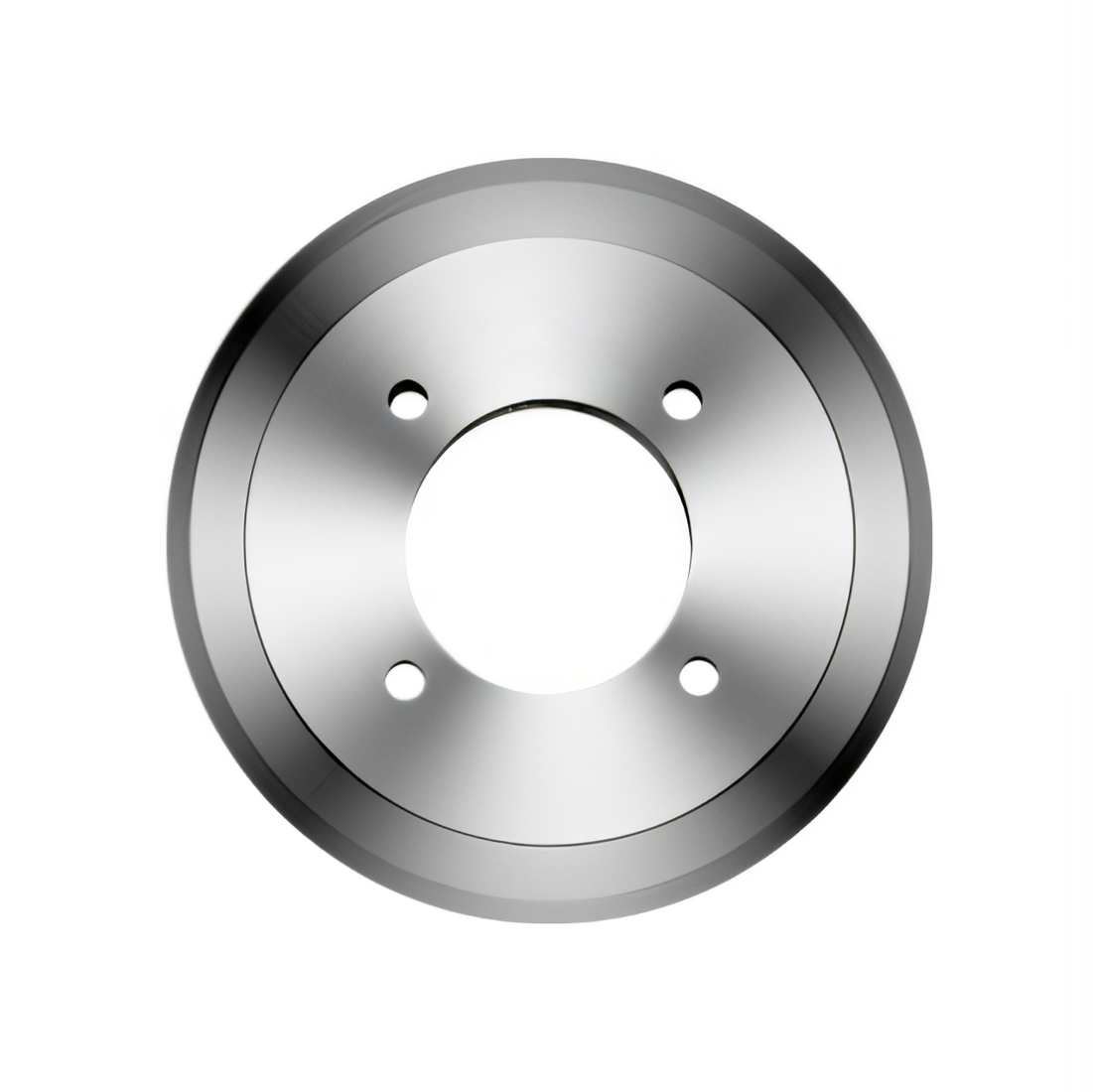
In the industrial and manufacturing sectors, precision cutting of rubber materials demands specialized tools that deliver consistent performance and exceptional durability. A professional rubber cutting knife serves as an indispensable tool for achieving clean, accurate cuts across various rubber applications, from automotive gaskets to industrial sealing components. The selection of the right cutting instrument can significantly impact production efficiency, material waste reduction, and overall product quality in rubber processing operations.
Modern rubber cutting applications require tools that maintain sharp edges while withstanding the challenges of cutting through dense, elastic materials. The evolution of blade technology has introduced advanced metallurgy and ergonomic designs that enhance both cutting performance and operator safety. Professional-grade cutting tools incorporate features such as replaceable blades, anti-slip handles, and specialized blade geometries optimized for rubber material properties.
Essential Features of Professional Rubber Cutting Tools
Blade Material and Construction Quality
The foundation of any effective rubber cutting knife lies in its blade construction and material composition. High-carbon steel blades offer superior edge retention and can be honed to razor-sharp precision, making them ideal for demanding rubber cutting applications. Stainless steel variants provide excellent corrosion resistance, particularly important in environments where rubber processing involves exposure to oils, chemicals, or moisture.
Advanced blade treatments such as titanium coating or ceramic edge enhancement extend blade life significantly while maintaining cutting precision. These specialized treatments reduce friction during cutting operations and prevent material buildup on the blade surface. The thickness and temper of the blade steel directly influence both flexibility and durability, with optimal specifications varying based on the specific rubber cutting requirements.
Handle Design and Ergonomic Considerations
Professional rubber cutting operations often involve extended periods of use, making handle design a critical factor in tool selection. Ergonomic handles reduce hand fatigue and improve cutting control, while textured grips ensure secure handling even when working with oily or wet materials. The handle material should provide excellent grip security without causing discomfort during prolonged use.
Balance between the handle and blade components affects cutting precision and operator comfort. Well-balanced tools reduce wrist strain and enable more accurate cuts, particularly important when working with expensive rubber materials where precision is paramount. Some professional models feature adjustable handle components to accommodate different hand sizes and cutting preferences.
Top-Rated Rubber Cutting Knife Models
Heavy-Duty Industrial Cutting Knives
Industrial-grade rubber cutting knives are engineered for continuous operation in demanding manufacturing environments. These robust tools feature reinforced blade holders and heavy-duty construction designed to withstand the rigors of production line use. The blade retention systems in these models ensure consistent cutting performance even under high-stress conditions.
Professional models often incorporate quick-change blade systems that minimize downtime during blade replacement operations. This feature is particularly valuable in high-volume production settings where every minute of operation counts. The precision-ground blades used in these systems deliver consistent cutting quality across thousands of operations while maintaining dimensional accuracy.
Precision Craft Cutting Instruments
For applications requiring exceptional precision and fine detail work, specialized craft cutting knives offer unparalleled control and accuracy. These instruments feature ultra-sharp blades with fine-point geometry specifically designed for intricate rubber cutting tasks. The reduced blade thickness allows for tight radius cuts and detailed shaping operations.
Precision models typically include interchangeable blade options to accommodate various cutting requirements within a single tool system. This versatility makes them ideal for prototype development, custom rubber component fabrication, and specialized repair operations. The refined balance and lightweight construction of these tools enable extended use without operator fatigue.
Application-Specific Cutting Solutions
Automotive Rubber Component Cutting
The automotive industry presents unique challenges for rubber cutting operations, requiring tools capable of handling diverse material densities and compositions. Specialized automotive rubber cutting knife designs incorporate features optimized for cutting gaskets, seals, weatherstripping, and other critical components. These tools must maintain precision while working with materials ranging from soft foam rubber to dense EPDM compounds.
Temperature resistance becomes crucial in automotive applications where cutting tools may be exposed to engine heat or cold weather conditions. Professional automotive cutting knives feature temperature-stable materials and treatments that maintain cutting performance across wide temperature ranges. The ability to make clean cuts without tearing or deformation is essential for maintaining seal integrity in automotive applications.
Industrial Gasket and Seal Fabrication
Industrial gasket manufacturing demands cutting tools capable of producing precise dimensional tolerances while working with various rubber compounds and thicknesses. Specialized cutting knives for this application feature guide systems and measurement aids that ensure consistent results across production runs. The blade geometry is optimized to minimize material compression during cutting, preserving the original material properties.
Multi-layer cutting capabilities are essential for efficient gasket production, requiring tools with sufficient blade depth and cutting power. Professional gasket cutting knives often incorporate depth control features that prevent over-cutting and ensure uniform results across multiple material layers. The clean cutting action eliminates the need for secondary finishing operations, improving production efficiency.
Maintenance and Blade Care Techniques
Proper Sharpening Methods
Maintaining optimal cutting performance requires proper blade maintenance and sharpening techniques specific to rubber cutting applications. Unlike general-purpose cutting tools, rubber cutting knives require specialized sharpening angles that accommodate the unique properties of rubber materials. The sharpening process must maintain the original blade geometry while removing any edge damage or dulling.
Professional sharpening equipment designed for rubber cutting blades ensures consistent results and extends blade life significantly. The use of appropriate abrasives and sharpening compounds prevents heat buildup that could damage the blade temper. Regular maintenance schedules based on cutting volume and material types help optimize tool performance and reduce replacement costs.
Storage and Handling Best Practices
Blade storage conditions have a significant impact on lifespan and performance. Moisture control prevents corrosion and blade degradation, while protective sheaths prevent edge damage during storage. Temperature-stable storage environments maintain blade temper and prevent dimensional changes that could affect cutting accuracy.
Handling procedures during use and storage minimize blade damage and extend tool life. The use of appropriate cutting surfaces protects blade edges from damage while providing stable support during cutting operations. Regular cleaning removes rubber residue and prevents material buildup that could affect cutting performance or cause blade dulling.
Safety Considerations and Best Practices
Operator Safety Protocols
Professional rubber cutting operations require comprehensive safety protocols to protect operators from injury while maintaining productivity. Sharp blade handling procedures include proper grip techniques, cutting direction control, and awareness of blade position at all times. Personal protective equipment specifically designed for cutting operations provides essential protection against accidental contact with sharp edges.
Training programs for rubber cutting knife operation ensure operators understand proper techniques and safety procedures. Regular safety reviews and equipment inspections identify potential hazards before they result in accidents. The implementation of safety guards and cutting guides reduces the risk of accidental injury while improving cutting accuracy.
Workplace Organization and Tool Management
Organized tool storage systems ensure cutting knives remain in optimal condition while providing quick access during production operations. Dedicated storage locations prevent tools from becoming damaged or misplaced, while inventory management systems track blade condition and replacement schedules. Proper labeling and organization reduce the time required to locate specific tools for particular applications.
Tool accountability systems track individual knife usage and maintenance history, enabling predictive maintenance schedules that prevent unexpected failures. Regular audits of cutting tool inventory ensure adequate supplies are maintained while identifying tools requiring maintenance or replacement. The integration of tool management with production scheduling optimizes equipment availability and reduces downtime.
Selection Criteria for Industrial Applications
Material Compatibility Assessment
The selection of appropriate rubber cutting knives requires careful evaluation of material compatibility and cutting requirements. Different rubber compounds present unique challenges, from soft silicone materials that require ultra-sharp blades to dense neoprene compounds that demand robust cutting power. Understanding the relationship between blade geometry and material properties ensures optimal cutting performance.
Chemical resistance considerations become important when cutting rubber materials that contain oils, solvents, or other chemical additives. Blade materials and coatings must withstand exposure to these substances without degradation or contamination. The evaluation of material safety data sheets helps identify potential compatibility issues before tool selection.
Production Volume and Durability Requirements
High-volume production environments require cutting tools with exceptional durability and consistent performance characteristics. The evaluation of expected cutting volumes helps determine appropriate blade materials and construction methods that provide optimal cost-effectiveness. Professional-grade tools designed for continuous operation offer superior value in demanding production environments.
Blade replacement frequency and associated downtime costs factor significantly into total tool ownership expenses. Tools with longer blade life or quick-change systems may justify higher initial costs through reduced operating expenses. The analysis of production schedules and maintenance windows helps optimize tool selection for specific operational requirements.
FAQ
What blade material works best for cutting different types of rubber
High-carbon steel blades offer the best overall performance for most rubber cutting applications due to their ability to maintain sharp edges and withstand repeated use. For applications involving chemical exposure or corrosive environments, stainless steel blades provide superior longevity. Specialized coatings like titanium or ceramic can enhance performance for specific rubber compounds or high-volume operations.
How often should rubber cutting knife blades be replaced or sharpened
Blade replacement frequency depends on cutting volume, rubber material hardness, and cutting precision requirements. In high-volume operations, daily blade inspection helps identify when replacement is necessary. Generally, blades should be replaced when cutting quality degrades or when excessive force is required to achieve clean cuts. Professional sharpening can extend blade life by 2-3 times when performed correctly.
What safety precautions are essential when using professional rubber cutting knives
Essential safety measures include wearing cut-resistant gloves, maintaining proper blade guards when not in use, and ensuring adequate lighting in cutting areas. Operators should always cut away from their body and maintain secure grip on both the tool and workpiece. Regular safety training and tool inspection procedures prevent accidents and ensure optimal cutting performance.
Can rubber cutting knives be used for other materials besides rubber
While rubber cutting knives are optimized for rubber materials, many professional models can effectively cut similar materials like foam, gasket materials, and some plastics. However, using these specialized tools on inappropriate materials may damage the blade or compromise cutting performance. Different materials may require specific blade geometries or cutting techniques for optimal results.