 EN
EN

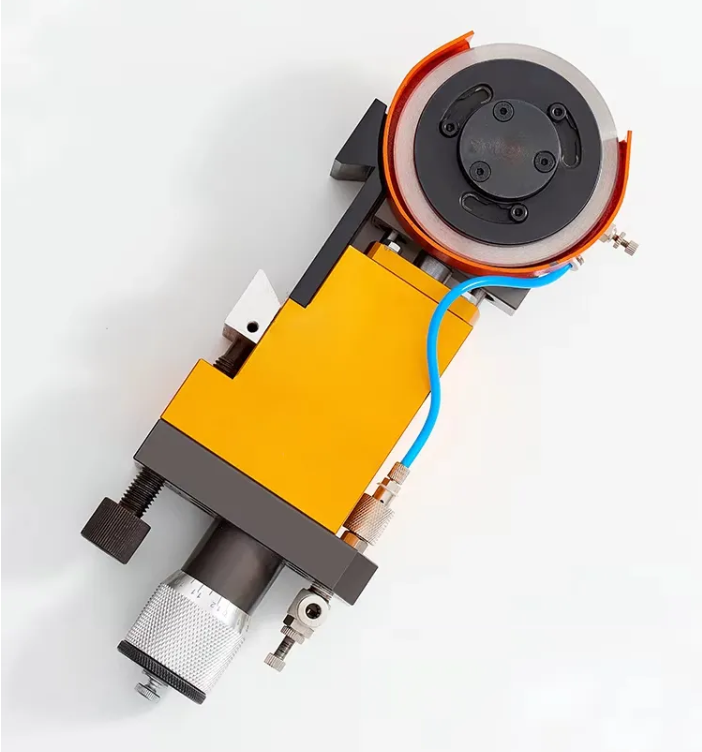
In modern manufacturing and industrial applications, cutting precision and efficiency are paramount to maintaining competitive advantages. Two dominant technologies have emerged as leading solutions: pneumatic knife systems and electric cutters. Each technology offers distinct advantages depending on specific operational requirements, material types, and production volumes. Understanding the fundamental differences between these cutting methods is essential for making informed equipment decisions that directly impact productivity and cost-effectiveness.
The choice between pneumatic and electric cutting systems involves multiple considerations including power delivery mechanisms, maintenance requirements, operational costs, and environmental factors. Manufacturing facilities worldwide continue to evaluate these technologies based on their unique production demands and budget constraints. This comprehensive analysis examines both cutting methodologies to help decision-makers select the most appropriate solution for their specific applications.
Understanding Pneumatic Knife Technology
Core Operating Principles
Pneumatic knife systems utilize compressed air as the primary power source to drive cutting mechanisms. The fundamental design incorporates air pressure chambers that convert pneumatic energy into mechanical motion, enabling precise blade movement and consistent cutting force. This technology relies on air compressors to maintain steady pressure levels, typically ranging from 80 to 120 PSI depending on application requirements.
The pneumatic knife mechanism operates through a series of valves and cylinders that control air flow direction and pressure distribution. When activated, compressed air enters the cylinder chamber, pushing a piston that directly connects to the cutting blade assembly. This direct mechanical linkage ensures immediate response times and precise control over cutting depth and speed parameters.
Advanced pneumatic knife designs incorporate pressure regulators and flow control valves to fine-tune cutting performance across different materials. These systems can adjust cutting force dynamically, making them particularly effective for applications requiring variable cutting depths or working with materials of varying densities and thicknesses.
Key Performance Characteristics
Pneumatic cutting systems deliver exceptional force-to-weight ratios, often producing cutting forces several times greater than comparable electric systems of similar size. This characteristic makes pneumatic knife technology particularly suitable for heavy-duty industrial applications where substantial cutting force is required. The air-powered mechanism also provides inherent overload protection, as excessive resistance simply reduces cutting speed rather than damaging internal components.
Temperature stability represents another significant advantage of pneumatic systems. Unlike electric motors that generate heat during operation, pneumatic mechanisms remain relatively cool throughout extended cutting cycles. This thermal characteristic prevents blade degradation and maintains cutting precision even during continuous operation periods, making pneumatic knife systems ideal for high-volume production environments.
Response time and precision control in pneumatic systems depend heavily on air supply consistency and pressure regulation quality. Well-designed pneumatic knife installations can achieve cycle times comparable to electric systems while providing superior force modulation capabilities. The inherent compressibility of air also provides natural cushioning effects that can protect delicate materials from excessive cutting forces.
Electric Cutter Technology Analysis
Electrical Power Mechanisms
Electric cutting systems convert electrical energy directly into mechanical motion through various motor technologies including servo motors, stepper motors, and brushless DC motors. These systems offer precise speed control and positioning accuracy through electronic feedback systems and advanced control algorithms. Electric cutters typically operate at higher speeds than pneumatic alternatives, making them particularly effective for applications requiring rapid cutting cycles.
Modern electric cutter designs incorporate sophisticated control electronics that monitor cutting parameters in real-time. These systems can automatically adjust cutting speed, force, and positioning based on material resistance feedback, ensuring consistent cut quality across varying material properties. Advanced electric cutters also feature programmable cutting patterns and automated tool change capabilities for complex manufacturing operations.
Power consumption in electric cutting systems remains relatively constant regardless of cutting load, unlike pneumatic systems where air consumption varies with usage patterns. This characteristic enables more predictable operating cost calculations and simplified energy management in manufacturing facilities with multiple cutting stations operating simultaneously.
Operational Advantages
Electric cutters excel in applications requiring precise positioning and repeatable cutting patterns. The electronic control systems enable micro-adjustments to cutting parameters, making these systems particularly suitable for applications involving intricate shapes or tight tolerance requirements. Digital interfaces allow operators to program complex cutting sequences and store multiple cutting profiles for different materials or products.
Maintenance requirements for electric cutting systems tend to be more predictable and scheduled-based compared to pneumatic alternatives. Electric motors typically require periodic bearing lubrication and brush replacement (in brushed motor designs), but these maintenance tasks can be planned in advance without disrupting production schedules. The absence of compressed air systems also eliminates potential issues related to moisture contamination and air supply interruptions.
Integration capabilities with modern manufacturing execution systems represent a significant advantage for electric cutters. These systems can communicate cutting data, performance metrics, and maintenance requirements directly to centralized control systems, enabling real-time production monitoring and predictive maintenance scheduling.
Comparative Performance Analysis
Cutting Force and Speed Capabilities
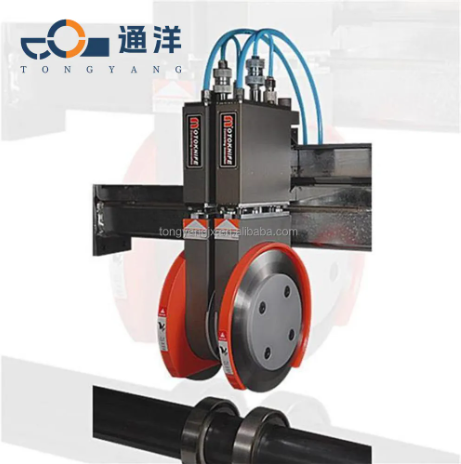
When comparing cutting force capabilities, pneumatic knife systems generally deliver superior force output per unit weight compared to electric alternatives. A typical pneumatic knife can generate cutting forces ranging from 500 to 2000 pounds per square inch, while maintaining consistent performance throughout the cutting cycle. This force advantage makes pneumatic systems particularly effective for cutting thick materials, dense composites, or applications requiring clean cuts through multiple material layers.
Electric cutters compensate for lower force output through higher cutting speeds and improved precision control. Modern electric systems can achieve cutting speeds up to 10,000 cycles per minute while maintaining positioning accuracy within 0.001 inches. This speed advantage makes electric cutters more suitable for high-volume production applications where cutting force requirements are moderate but throughput demands are substantial.
The relationship between cutting speed and force varies significantly between these technologies. Pneumatic systems maintain relatively constant force output across varying speeds, while electric systems may experience force reduction at higher speeds depending on motor characteristics and control system design. Understanding these performance curves is crucial for selecting the appropriate technology for specific cutting applications.
Energy Efficiency Considerations
Energy consumption patterns differ substantially between pneumatic and electric cutting systems. Pneumatic systems require continuous air compressor operation to maintain system pressure, even during idle periods. However, actual cutting operations consume minimal additional energy beyond baseline compressor requirements. This consumption pattern makes pneumatic systems more efficient in applications with high utilization rates but less efficient during periods of intermittent use.
Electric cutting systems consume power only during active cutting operations, making them more energy-efficient for applications with variable or intermittent cutting demands. Advanced electric systems incorporate regenerative braking and variable frequency drives that further reduce power consumption during deceleration phases. The ability to precisely control power delivery also enables electric systems to optimize energy usage based on real-time cutting requirements.
Total cost of ownership calculations must consider both direct energy costs and infrastructure requirements. Pneumatic systems require compressed air generation and distribution systems, while electric systems may require upgraded electrical infrastructure to handle peak power demands. Long-term energy costs often favor electric systems in applications with moderate utilization rates, while pneumatic systems may be more cost-effective in continuous operation environments.
Application-Specific Considerations
Material Compatibility Factors
Material properties significantly influence the selection between pneumatic knife and electric cutter technologies. Dense materials such as metals, ceramics, and reinforced composites typically benefit from the high force output capabilities of pneumatic systems. The consistent force delivery and overload protection characteristics make pneumatic knife technology particularly suitable for cutting materials with unpredictable internal structures or varying densities.
Delicate materials including thin films, fabrics, and precision electronic components often require the fine force control and positioning accuracy available in electric cutting systems. The ability to program specific cutting parameters and maintain consistent speeds enables electric cutters to minimize material distortion and achieve clean, precise cuts in sensitive applications.
Heat-sensitive materials present unique challenges for both cutting technologies. Pneumatic systems generate minimal heat during cutting operations, making them suitable for applications where thermal damage must be avoided. Electric systems may require special consideration for heat management, particularly during extended cutting cycles or high-speed operations that could generate excessive blade temperatures.
Environmental Operating Conditions
Operating environment conditions significantly impact the performance and reliability of both cutting technologies. Pneumatic knife systems perform consistently across wide temperature ranges and are generally less sensitive to humidity variations. The mechanical simplicity of pneumatic systems also provides better resistance to dust, vibration, and electromagnetic interference commonly found in industrial environments.
Electric cutting systems require more controlled environmental conditions to maintain optimal performance. Temperature extremes can affect motor performance and electronic control system reliability. However, modern electric systems incorporate environmental protection features and can operate effectively in most industrial environments when properly specified and maintained.
Cleanroom and sterile environment applications often favor electric cutting systems due to the absence of compressed air discharge that could introduce contaminants. Pneumatic systems can be adapted for clean environments through proper air filtration and exhaust management, but electric systems typically require less environmental modification for sensitive applications.
Cost Analysis and Return on Investment
Initial Investment Requirements
Initial capital costs for pneumatic knife systems typically include the cutting unit, air compressor, distribution piping, and pressure regulation equipment. While individual pneumatic cutting units may cost less than comparable electric systems, the required supporting infrastructure can significantly increase total installation costs. Facilities without existing compressed air systems may face substantial infrastructure investments to implement pneumatic cutting technology.
Electric cutter systems generally require higher initial equipment costs but minimal infrastructure modifications in facilities with adequate electrical capacity. Advanced electric systems with sophisticated control electronics command premium pricing but offer enhanced capabilities that may justify the additional investment through improved productivity and quality outcomes.
Installation complexity and timeline considerations also impact total project costs. Pneumatic systems may require extended installation periods for air distribution systems and pressure testing, while electric systems can often be installed and operational within shorter timeframes. Project planning should account for these timeline differences when evaluating total cost implications.
Long-Term Operating Costs
Maintenance cost patterns differ significantly between pneumatic and electric cutting technologies. Pneumatic knife systems require regular air system maintenance including filter replacement, moisture drainage, and compressor servicing. However, the cutting mechanisms themselves typically require minimal maintenance due to their mechanical simplicity and robust construction.
Electric cutting systems require periodic motor maintenance, electronic system updates, and precision calibration procedures. While individual maintenance tasks may be more complex, the predictable nature of electric system maintenance enables better cost planning and scheduling. Advanced diagnostic capabilities in electric systems can also provide early warning of potential issues, reducing unexpected downtime costs.
Productivity impact calculations must consider both cutting speed capabilities and system reliability factors. Higher productivity electric systems may justify increased operating costs through improved throughput, while pneumatic systems may offer better value in applications where maximum cutting force is the primary requirement. Long-term cost analysis should evaluate these productivity factors alongside direct operating expenses.
FAQ
What are the main advantages of pneumatic knife systems over electric cutters
Pneumatic knife systems offer superior cutting force output, excellent overload protection, and consistent performance across wide temperature ranges. They generate minimal heat during operation, making them ideal for heat-sensitive materials, and provide inherent safety advantages through mechanical simplicity. Additionally, pneumatic systems often have lower maintenance requirements for the cutting mechanism itself and can operate effectively in harsh industrial environments.
Which cutting technology is more energy efficient for intermittent use applications
Electric cutting systems are generally more energy efficient for intermittent use applications because they only consume power during active cutting operations. Pneumatic systems require continuous compressor operation to maintain system pressure, even during idle periods, making them less efficient when utilization rates are low. However, pneumatic systems can be more efficient in high-utilization continuous operation environments.
How do initial costs compare between pneumatic and electric cutting systems
Initial costs vary significantly based on existing facility infrastructure. Pneumatic knife units may have lower equipment costs, but require compressed air infrastructure that can substantially increase total installation expenses. Electric systems typically have higher equipment costs but require minimal infrastructure modifications in facilities with adequate electrical capacity. Total project costs should include all infrastructure requirements for accurate comparison.
What factors should determine the choice between pneumatic and electric cutting technologies
The choice should be based on specific application requirements including required cutting force, material types, precision requirements, operating environment conditions, and utilization patterns. Pneumatic systems excel in high-force applications with robust materials, while electric systems provide superior precision and speed for detailed cutting operations. Long-term operating costs, maintenance capabilities, and integration requirements with existing manufacturing systems should also influence the selection decision.
Table of Contents
- Understanding Pneumatic Knife Technology
- Electric Cutter Technology Analysis
- Comparative Performance Analysis
- Application-Specific Considerations
- Cost Analysis and Return on Investment
-
FAQ
- What are the main advantages of pneumatic knife systems over electric cutters
- Which cutting technology is more energy efficient for intermittent use applications
- How do initial costs compare between pneumatic and electric cutting systems
- What factors should determine the choice between pneumatic and electric cutting technologies