 EN
EN

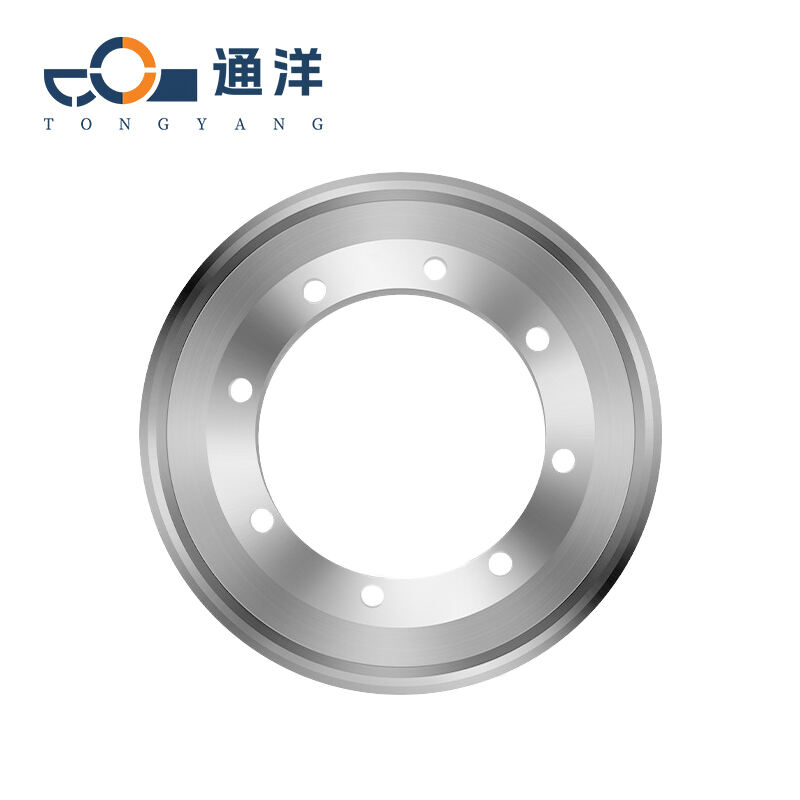
Working with rubber materials requires specialized cutting tools that deliver precision and safety in industrial environments. Professional craftsmen and manufacturers understand that proper safety protocols when using a rubber cutting knife are essential for preventing workplace injuries and maintaining operational efficiency. The unique properties of rubber materials demand specific cutting techniques and safety considerations that differ significantly from other materials. Understanding these fundamentals establishes the foundation for safe and effective rubber cutting operations across various industrial applications.
Understanding Rubber Cutting Knife Design and Construction
Blade Geometry and Material Specifications
The design characteristics of a rubber cutting knife directly impact both safety and performance during cutting operations. High-quality blades feature specialized steel compositions that maintain sharpness while resisting wear from rubber compounds. The blade geometry typically incorporates a specific angle that facilitates clean cuts through various rubber densities without excessive force application. Professional-grade knives often utilize carbon steel or stainless steel construction to ensure longevity and corrosion resistance in industrial environments.
Handle ergonomics play a crucial role in safe knife operation, with modern designs incorporating anti-slip materials and balanced weight distribution. The connection between blade and handle must provide secure attachment to prevent separation during use. Many industrial rubber cutting knives feature replaceable blade systems that enhance safety by reducing the need for blade sharpening and maintenance. Understanding these design elements helps operators select appropriate tools for specific applications while prioritizing safety considerations.
Blade Sharpness and Maintenance Requirements
Maintaining optimal blade sharpness represents a critical safety factor when operating rubber cutting equipment. Dull blades require increased cutting pressure, which elevates the risk of slippage and loss of control during cutting operations. Regular inspection schedules should include visual examination of blade edges for nicks, chips, or excessive wear patterns that compromise cutting effectiveness. Professional maintenance protocols typically involve scheduled blade replacement or professional sharpening services to ensure consistent performance.
The frequency of maintenance depends on usage intensity and rubber material characteristics being processed. Harder rubber compounds tend to dull blades more quickly than softer materials, requiring more frequent attention. Proper storage between uses protects blade edges from damage and maintains cutting precision. Establishing maintenance schedules based on actual usage patterns rather than arbitrary time intervals ensures optimal safety and performance from rubber cutting knife systems.
Personal Protective Equipment and Workspace Safety
Essential Safety Gear for Rubber Cutting Operations
Comprehensive personal protective equipment forms the primary defense against injuries during rubber cutting activities. Cut-resistant gloves specifically designed for sharp tool operations provide essential hand protection while maintaining dexterity for precise cutting control. Safety glasses or face shields protect against rubber particles and debris that may become airborne during cutting processes. The selection of appropriate protective equipment depends on the specific cutting application and rubber material characteristics being processed.
Protective clothing should include cut-resistant sleeves and aprons when working with larger rubber components or performing repetitive cutting operations. Steel-toed safety footwear provides protection against dropped tools or materials while offering stable footing during cutting activities. Hearing protection may be necessary when operating powered cutting equipment or working in noisy industrial environments. Regular inspection and replacement of protective equipment ensures continued effectiveness and compliance with workplace safety standards.
Workspace Organization and Environmental Controls
Proper workspace organization significantly reduces accident risks and improves cutting efficiency when using rubber cutting knives. Adequate lighting eliminates shadows and improves visibility of cutting lines and potential hazards. Work surfaces should provide stable support for rubber materials while allowing secure positioning during cutting operations. Clear workspace organization prevents clutter that could interfere with safe tool handling or create tripping hazards.
Ventilation considerations become important when cutting certain rubber compounds that may release particles or vapors during processing. Temperature control affects both rubber material properties and operator comfort during extended cutting sessions. Emergency equipment including first aid supplies and emergency communication devices should be readily accessible in all rubber cutting work areas. Regular workplace inspections identify potential hazards and ensure continued compliance with safety protocols.
Safe Operating Techniques and Procedures
Proper Grip and Cutting Stance
Establishing correct grip techniques provides the foundation for safe rubber cutting knife operation. The primary hand should maintain a firm but relaxed grip on the knife handle, avoiding excessive tension that can lead to fatigue and loss of control. The supporting hand must be positioned safely away from the cutting path while providing material stabilization. Proper stance involves balanced weight distribution and stable footing to maintain control during cutting motions.
Cutting direction should always move away from the body to minimize injury risk in case of slippage or loss of control. The angle of approach affects both cutting effectiveness and safety, with consistent angles producing more predictable results. Controlled cutting speeds prevent excessive heat buildup that can affect rubber properties and blade performance. Regular breaks during extended cutting sessions help maintain concentration and prevent fatigue-related accidents.
Material Positioning and Stabilization
Secure material positioning eliminates movement during cutting operations that could result in inaccurate cuts or safety hazards. Clamps, jigs, or holding fixtures provide stable support while keeping hands away from cutting areas. The rubber material should be positioned to allow natural cutting motions without awkward body positions or overreaching. Proper material support prevents distortion that could affect cutting accuracy or create unexpected resistance.
Large rubber pieces require special consideration for weight distribution and support to prevent shifting during cutting. Planning cut sequences helps minimize material handling and repositioning requirements. Clear marking of cutting lines improves accuracy while reducing the need for corrections that increase handling time. Understanding rubber material behavior under cutting stress helps predict and control material response during the cutting process.
Emergency Procedures and Injury Prevention
Immediate Response to Cutting Injuries
Despite careful safety precautions, cutting injuries can occur and require immediate appropriate response to minimize severity and prevent complications. Direct pressure application to bleeding wounds represents the primary first aid response while avoiding contamination of the injury site. Emergency contact procedures should be clearly established and readily accessible to all personnel working with rubber cutting knives. Professional medical evaluation becomes necessary for cuts that appear deep, continue bleeding, or show signs of foreign material contamination.
Documentation of injury incidents provides valuable information for improving safety protocols and identifying potential hazard patterns. Immediate workplace assessment following an injury helps determine contributing factors and prevent similar occurrences. Clean-up procedures for blood or other body fluids must follow established health and safety protocols. Return-to-work procedures should include medical clearance and review of circumstances that led to the injury.
Preventive Measures and Risk Assessment
Regular risk assessment activities identify potential hazards before they result in injuries or accidents. Environmental factors including lighting, ventilation, and workspace organization should be evaluated periodically for safety compliance. Tool condition assessments help identify equipment that requires maintenance or replacement before safety is compromised. Training program effectiveness should be monitored through incident rates and near-miss reporting systems.
Behavioral safety programs encourage workers to identify and report unsafe conditions or practices before accidents occur. Safety communication systems ensure that all personnel remain informed about current procedures and potential hazards. Regular safety meetings provide opportunities to discuss experiences and improve collective knowledge about safe rubber cutting knife operations. Continuous improvement processes incorporate lessons learned from incidents and near-miss events into updated safety protocols.
Training Requirements and Skill Development
Initial Training Programs for New Operators
Comprehensive training programs provide new operators with essential knowledge and skills for safe rubber cutting knife operation. Theoretical instruction covers tool design, safety principles, and proper operating procedures before hands-on practice begins. Supervised practice sessions allow new operators to develop skills while receiving immediate feedback and correction. Competency assessments verify that operators understand safety requirements and demonstrate proper techniques before independent work authorization.
Training documentation helps track individual progress and identifies areas requiring additional instruction or practice. Mentorship programs pair experienced operators with new personnel to provide ongoing guidance and support. Regular skill assessments ensure that operators maintain proficiency and continue following established safety protocols. Training program updates incorporate new safety knowledge and address identified skill deficiencies or procedural changes.
Ongoing Education and Safety Reinforcement
Continuous education programs help maintain awareness of safety requirements and introduce new techniques or equipment improvements. Regular safety refresher training addresses skill degradation and reinforces proper procedures. Industry best practices and technological advances should be incorporated into ongoing training programs. Cross-training opportunities help operators understand different applications and expand their knowledge base while maintaining safety focus.
Safety performance monitoring identifies individuals who may benefit from additional training or support. Feedback systems allow operators to contribute suggestions for improving training content and delivery methods. Professional development opportunities encourage continuous learning and skill advancement while emphasizing safety priorities. Training effectiveness measurement helps optimize program content and resource allocation for maximum safety benefit.
Regulatory Compliance and Industry Standards
OSHA Requirements and Workplace Safety Standards
Occupational Safety and Health Administration regulations establish minimum safety requirements for workplace tool use and employee protection. Compliance with OSHA standards requires documented safety programs, regular training, and appropriate protective equipment provision. Workplace inspections verify compliance with established standards and identify areas requiring improvement or corrective action. Record-keeping requirements document training completion, incident reports, and safety program implementation.
Industry-specific guidelines may impose additional requirements beyond basic OSHA standards for rubber cutting operations. Professional organizations often provide best practice recommendations that exceed minimum regulatory requirements. Insurance requirements may mandate specific safety protocols and training documentation for coverage compliance. Legal liability considerations make adherence to established safety standards essential for protecting both employees and organizations.
Quality Management and Safety Integration
Quality management systems increasingly integrate safety requirements with operational procedures to ensure comprehensive risk management. ISO standards and similar frameworks provide structured approaches to safety program development and implementation. Audit procedures verify that safety protocols are consistently followed and effectively implemented throughout the organization. Continuous improvement processes incorporate safety performance data into operational decision-making.
Supplier qualification programs should include safety criteria when selecting rubber cutting knife manufacturers and distributors. Product specifications must address safety features and performance requirements for specific applications. Documentation systems track safety-related communications, training records, and equipment maintenance schedules. Management commitment to safety creates organizational culture that prioritizes employee protection alongside operational efficiency.
FAQ
How often should rubber cutting knife blades be replaced or sharpened
Blade replacement frequency depends on usage intensity and rubber material characteristics, but generally should occur when cutting requires excessive force or produces rough edges. Daily visual inspection helps identify when blades need attention, typically ranging from weekly replacement for heavy use to monthly for lighter applications. Professional sharpening services can extend blade life while maintaining safety, though replacement is often more cost-effective than sharpening for industrial applications.
What personal protective equipment is absolutely essential when using rubber cutting knives
Cut-resistant gloves rated for sharp tools represent the minimum required protection, along with safety glasses to protect against rubber particles. Additional protective equipment including cut-resistant sleeves, aprons, and steel-toed footwear becomes necessary for larger-scale operations or when working with particularly tough rubber materials. The specific protective equipment requirements should be determined through workplace risk assessment considering the cutting application and environmental conditions.
Can electric or pneumatic rubber cutting tools completely replace manual knives for safety
Powered cutting tools offer advantages in specific applications but introduce different safety considerations including electrical hazards, increased noise levels, and more complex maintenance requirements. Manual rubber cutting knives remain essential for precision work, confined spaces, and applications requiring maximum operator control. The choice between manual and powered tools should be based on specific application requirements, with appropriate safety protocols developed for each tool type.
What should be done if a rubber cutting knife becomes stuck during operation
Never attempt to force a stuck blade, as this significantly increases injury risk and may damage the tool or workpiece. Stop cutting immediately and assess the situation to determine the cause of binding, which may include dull blade, improper cutting angle, or material characteristics. Carefully back the blade out of the cut using steady, controlled pressure while maintaining proper grip and stance. If the blade cannot be safely removed, secure the workpiece and seek assistance rather than risking injury through forced extraction.
Table of Contents
- Understanding Rubber Cutting Knife Design and Construction
- Personal Protective Equipment and Workspace Safety
- Safe Operating Techniques and Procedures
- Emergency Procedures and Injury Prevention
- Training Requirements and Skill Development
- Regulatory Compliance and Industry Standards
-
FAQ
- How often should rubber cutting knife blades be replaced or sharpened
- What personal protective equipment is absolutely essential when using rubber cutting knives
- Can electric or pneumatic rubber cutting tools completely replace manual knives for safety
- What should be done if a rubber cutting knife becomes stuck during operation