 EN
EN

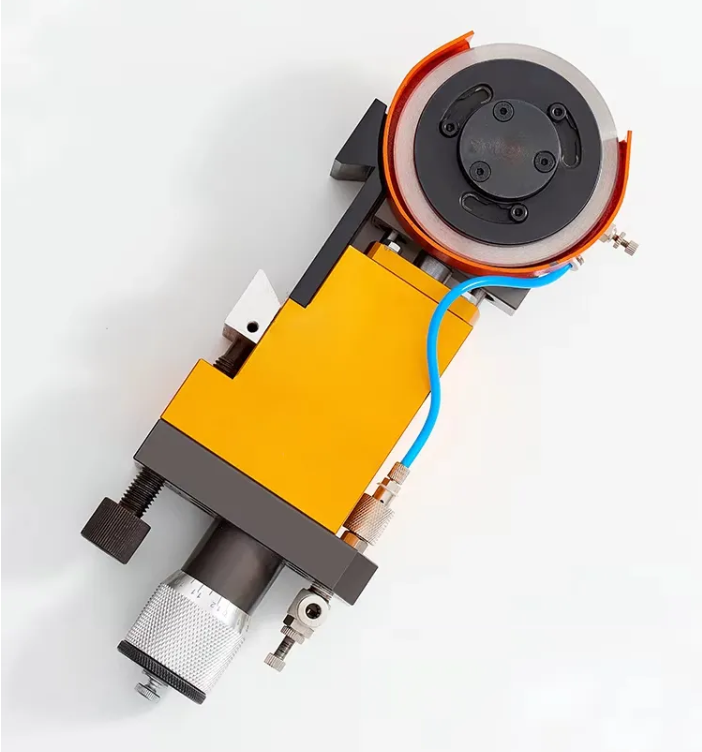
Modern manufacturing and industrial cutting operations demand precision, efficiency, and reliability. The pneumatic knife has emerged as an indispensable tool in various industries, from packaging and textiles to food processing and automotive manufacturing. These air-powered cutting devices offer superior control, consistent performance, and reduced operator fatigue compared to traditional manual cutting tools. However, like any precision instrument, proper maintenance is crucial for optimal performance and longevity.
Understanding the fundamental components and operational principles of your pneumatic cutting system is essential before diving into maintenance procedures. These sophisticated tools utilize compressed air to power precise cutting mechanisms, enabling operators to achieve clean, accurate cuts across various materials. The integration of pneumatic technology with sharp cutting blades creates a powerful combination that significantly enhances productivity in industrial settings.
Regular maintenance not only extends the operational life of your pneumatic knife but also ensures consistent cutting quality, reduces downtime, and maintains workplace safety standards. Neglecting proper maintenance can lead to decreased performance, premature component failure, and potentially dangerous operating conditions. This comprehensive guide will equip you with the knowledge and procedures necessary to keep your pneumatic cutting equipment operating at peak performance.
Understanding Pneumatic Knife Components
Air Supply System Fundamentals
The air supply system forms the backbone of any pneumatic knife operation. This system typically includes an air compressor, pressure regulators, filters, and connecting hoses that deliver clean, consistent compressed air to the cutting mechanism. The quality and consistency of the air supply directly impact the performance and reliability of your pneumatic knife system.
Proper air filtration is crucial for preventing contamination that can damage internal components. Moisture, oil particles, and debris in the compressed air can cause premature wear, corrosion, and operational inconsistencies. Most industrial pneumatic knife systems require dry, clean air at specific pressure ranges to function optimally.
Pressure regulation ensures that your pneumatic knife receives the correct air pressure for its intended application. Too little pressure results in weak cutting performance, while excessive pressure can cause accelerated wear and potential safety hazards. Understanding these fundamental principles helps operators identify potential issues before they become costly problems.
Cutting Mechanism Assembly
The cutting mechanism represents the heart of the pneumatic knife system, where compressed air energy converts into precise cutting motion. This assembly typically includes pistons, cylinders, seals, and the blade holder mechanism. Each component must work in perfect harmony to deliver consistent cutting performance.
Blade holders and guides ensure proper blade alignment and stability during cutting operations. These components experience significant stress and wear during normal operation, making them critical points for regular inspection and maintenance. Proper blade installation and alignment directly affect cutting quality and operator safety.
Seals and gaskets within the cutting mechanism prevent air leaks and maintain proper pressure throughout the system. These components are typically made from specialized materials designed to withstand repeated compression cycles and exposure to various industrial environments. Regular inspection and timely replacement of worn seals prevent performance degradation and system failures.
Daily Maintenance Procedures
Visual Inspection Protocol
Beginning each work shift with a thorough visual inspection of your pneumatic knife establishes a foundation for reliable operation. This inspection should encompass all visible components, connections, and safety features. Look for signs of wear, damage, loose connections, or any abnormal conditions that might affect performance or safety.
Check all air connections for tightness and signs of leakage. Even small air leaks can significantly impact system performance and increase operating costs. Pay particular attention to threaded connections, quick-disconnect fittings, and flexible hose sections where movement and vibration can cause loosening over time.
Examine the blade and cutting area for debris, material buildup, or signs of excessive wear. Remove any accumulated material that might interfere with proper operation. Document any observations in your maintenance log to track trends and identify potential issues before they become problems.
Lubrication and Air Quality Checks
Proper lubrication is essential for maintaining smooth operation and preventing premature wear of moving components in your pneumatic knife system. Most pneumatic tools require specialized air tool oil that is compatible with compressed air systems and resistant to moisture contamination.
Check the air filter and water separator daily, draining any accumulated moisture and replacing filter elements as needed. Contaminated air can cause significant damage to internal components and reduce the operational life of your pneumatic knife. Clean, dry air is essential for optimal performance and longevity.
Monitor air pressure settings to ensure they remain within the manufacturer's specified range. Pressure variations can indicate problems with the air supply system or internal leaks within the pneumatic knife itself. Maintaining consistent pressure ensures reliable cutting performance and prevents stress on system components.
Weekly Maintenance Tasks
Component Cleaning and Inspection
Weekly maintenance sessions provide opportunities for more thorough cleaning and inspection of your pneumatic knife components. Begin by disconnecting the air supply and ensuring all residual pressure is released before beginning any maintenance procedures. Safety should always be the primary consideration during maintenance activities.
Clean all external surfaces using appropriate cleaning solutions that won't damage seals or other components. Remove any accumulated debris, adhesive residue, or material buildup that might interfere with proper operation. Pay special attention to areas around the blade holder and cutting mechanism where material accumulation is most likely to occur.
Inspect internal components that are accessible without complete disassembly. Look for signs of wear, corrosion, or damage that might require attention. Check the condition of seals, gaskets, and O-rings, replacing any that show signs of deterioration or damage.
Calibration and Performance Verification
Weekly calibration checks ensure that your pneumatic knife maintains its cutting accuracy and performance standards. This process typically involves verifying blade alignment, checking cutting depth consistency, and confirming that all safety systems function properly.
Test the pneumatic knife with sample materials similar to those used in regular production. Evaluate cutting quality, consistency, and any changes in performance compared to baseline measurements. Document these results to track performance trends over time and identify when major maintenance or blade replacement might be necessary.
Verify that all safety systems, including emergency stops and pressure relief valves, function correctly. These systems are critical for operator safety and must be tested regularly to ensure they will operate properly when needed. Replace or repair any safety components that don't function as designed.
Monthly Comprehensive Maintenance
Deep Cleaning and Component Replacement
Monthly maintenance intervals allow for comprehensive cleaning and replacement of wear components that require regular attention. This deeper maintenance approach helps prevent major failures and extends the overall service life of your pneumatic knife system.
Disassemble accessible components according to manufacturer guidelines for thorough cleaning and inspection. Use appropriate cleaning solvents and tools to remove all contamination and buildup. Replace consumable components such as seals, gaskets, and filters according to the recommended maintenance schedule.
Inspect and clean the air supply system, including filters, regulators, and connecting lines. Replace filter elements and drain water separators completely. Check the condition of air hoses and fittings, replacing any that show signs of wear or damage.
System Performance Analysis
Conduct comprehensive performance testing to evaluate the overall condition and efficiency of your pneumatic knife system. This analysis should include cutting speed measurements, quality assessments, and energy consumption monitoring to identify areas for improvement or maintenance needs.
Compare current performance metrics with baseline measurements and manufacturer specifications. Significant deviations may indicate the need for major maintenance, component replacement, or system adjustments. Document all measurements and observations for future reference and trend analysis.
Review maintenance records and identify any recurring issues or patterns that might suggest systematic problems. Use this information to adjust maintenance schedules or procedures to better address specific operating conditions or applications.
Troubleshooting Common Issues
Air Pressure and Flow Problems
Air pressure and flow issues represent some of the most common problems encountered with pneumatic knife systems. These problems can manifest as reduced cutting power, inconsistent performance, or complete system failure. Understanding the relationship between air supply quality and system performance is crucial for effective troubleshooting.
Low air pressure typically results from supply system problems, internal leaks, or restrictions in the air delivery system. Check the compressor output pressure, verify that regulators are set correctly, and inspect all connections for leaks. Internal leaks within the pneumatic knife itself require more detailed inspection and may necessitate seal replacement or component repair.
Contaminated air supply can cause various performance issues and accelerate component wear. Check air filters and water separators for proper operation and replace elements as needed. Consider upgrading filtration systems if contamination problems persist despite regular maintenance.
Cutting Performance Degradation
Gradual degradation in cutting performance is often the result of blade wear, misalignment, or mechanical issues within the cutting mechanism. Regular monitoring of cutting quality helps identify these issues before they significantly impact production efficiency or product quality.
Blade condition directly affects cutting performance and should be evaluated regularly. Dull or damaged blades require more force to achieve clean cuts, increasing stress on the pneumatic knife mechanism and potentially causing premature component failure. Establish blade replacement schedules based on usage patterns and cutting quality requirements.
Mechanical wear in the cutting mechanism can cause alignment problems, increased vibration, and reduced cutting precision. These issues typically develop gradually and may not be immediately obvious during routine operation. Regular inspection and measurement of critical dimensions help identify wear before it becomes problematic.
Safety Considerations and Best Practices
Operator Safety Protocols
Safety must always be the primary consideration when working with pneumatic knife systems. These powerful tools can cause serious injury if not handled properly or if safety systems fail. Establishing and maintaining comprehensive safety protocols protects operators and ensures compliance with workplace safety regulations.
Personal protective equipment requirements should be clearly defined and consistently enforced. This typically includes safety glasses, cut-resistant gloves, and appropriate clothing that won't interfere with equipment operation. Regular safety training ensures that all operators understand proper procedures and potential hazards.
Emergency procedures should be clearly documented and regularly practiced. All operators must know how to quickly shut down the pneumatic knife system in case of emergency and understand first aid procedures for potential cutting injuries. Emergency contact information should be readily available in the work area.
Environmental and Workspace Management
Maintaining a clean, organized workspace contributes significantly to safe and efficient pneumatic knife operation. Remove debris and materials that might create slip hazards or interfere with equipment operation. Ensure adequate lighting and ventilation in work areas where pneumatic cutting operations take place.
Noise control measures may be necessary depending on the specific pneumatic knife system and operating environment. Prolonged exposure to high noise levels can cause hearing damage and interfere with communication between operators. Consider noise reduction measures and ensure appropriate hearing protection is available when needed.
Material handling procedures should minimize the risk of injury during loading, cutting, and removal operations. Use appropriate lifting techniques and mechanical aids when handling heavy materials. Ensure adequate clearance around the pneumatic knife for safe material manipulation.
FAQ
How often should I replace the blades in my pneumatic knife system
Blade replacement frequency depends on several factors including material type, cutting volume, and quality requirements. Generally, monitor blade sharpness through regular cutting quality assessments rather than following a fixed schedule. Most industrial applications require blade replacement every few weeks to several months, but high-volume operations may need more frequent changes. Establish replacement criteria based on cutting quality degradation, increased cutting force requirements, or visible blade damage.
What air pressure should I use for optimal pneumatic knife performance
Optimal air pressure varies by pneumatic knife model and application requirements. Most systems operate effectively between 80-120 PSI, but always consult your specific equipment manual for manufacturer recommendations. Start with the recommended pressure and adjust based on material requirements and cutting quality. Higher pressures don't always improve performance and may cause excessive wear or safety concerns.
How can I identify when internal seals need replacement in my pneumatic knife
Signs of seal failure include visible air leaks around the cylinder, reduced cutting force, inconsistent operation, or unusual hissing sounds during operation. Performance degradation often occurs gradually, so regular monitoring helps identify seal problems before complete failure. Check for oil or moisture accumulation around seal areas, which may indicate deterioration. Replace seals at recommended intervals even if no obvious problems are apparent, as preventive replacement is more cost-effective than emergency repairs.
What maintenance records should I keep for my pneumatic knife system
Maintain detailed records including daily inspection checklists, maintenance activities performed, component replacements, performance measurements, and any problems encountered. Document air pressure settings, cutting quality assessments, and operator observations. Include dates, operator names, and specific details about any issues or repairs. These records help identify trends, plan maintenance activities, and provide valuable information for troubleshooting recurring problems. Digital maintenance management systems can streamline record-keeping and provide automated reminders for scheduled maintenance tasks.