 EN
EN

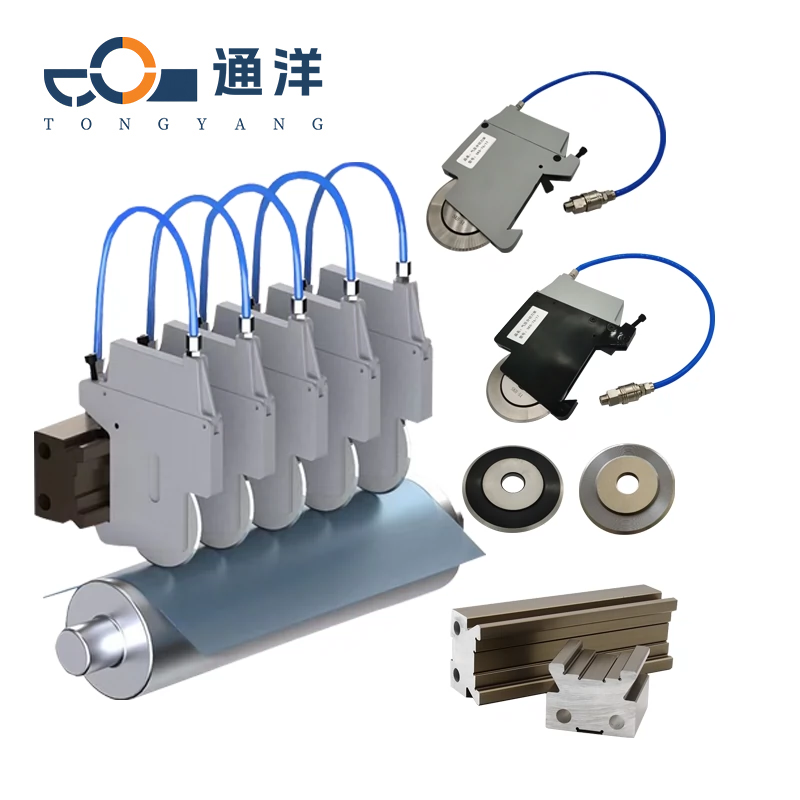
Industrial cutting operations rely heavily on precision equipment, and the pneumatic blade holder stands as a critical component in modern manufacturing processes. These sophisticated devices utilize compressed air to secure cutting blades with exceptional force and accuracy, making them indispensable for various applications from textile cutting to packaging operations. Proper maintenance of pneumatic blade holder systems ensures consistent performance, extends equipment lifespan, and minimizes costly downtime in production environments.
Understanding the intricate mechanisms within a pneumatic blade holder system requires knowledge of its fundamental components and operational principles. The compressed air system provides the necessary force to clamp blades securely while maintaining consistent pressure throughout cutting cycles. This technology has revolutionized industrial cutting operations by offering superior blade stability compared to traditional mechanical clamping systems.
The importance of regular maintenance cannot be overstated when dealing with pneumatic blade holder equipment. These systems operate under significant pressure and stress, making them susceptible to wear and potential failure if not properly maintained. A comprehensive maintenance program protects your investment while ensuring optimal cutting performance across all applications.
Understanding Pneumatic Blade Holder Components
Air Supply System Configuration
The air supply system forms the backbone of any pneumatic blade holder operation, requiring careful attention to pressure regulation and filtration. Proper air pressure settings typically range between 80-120 PSI depending on the specific pneumatic blade holder model and application requirements. The compressor must deliver consistent pressure without fluctuations that could compromise blade clamping force or cutting precision.
Moisture and contaminants in the compressed air can severely damage internal components of the pneumatic blade holder system. Installing high-quality air filters and moisture separators prevents these issues while extending component life significantly. Regular inspection of air lines, fittings, and connections ensures leak-free operation and maintains optimal system pressure.
Temperature control within the air supply system affects the performance characteristics of pneumatic blade holder units. Extreme temperatures can cause seals to deteriorate prematurely or affect the viscosity of lubricating oils. Maintaining ambient operating temperatures within manufacturer specifications protects sensitive components and ensures reliable operation.
Blade Clamping Mechanisms
The clamping mechanism represents the heart of the pneumatic blade holder system, utilizing precisely engineered components to secure cutting blades with tremendous force. These mechanisms typically employ pistons or diaphragms activated by compressed air to generate clamping pressure. Understanding the specific design of your pneumatic blade holder helps identify potential wear points and maintenance requirements.
Clamping force consistency directly impacts cutting quality and blade life in pneumatic blade holder applications. Variations in clamping pressure can cause blade deflection, uneven wear patterns, or premature blade failure. Regular calibration of clamping mechanisms ensures optimal performance and prevents costly production issues.
The clamping surface condition significantly affects the performance of pneumatic blade holder systems. Scratches, corrosion, or debris on clamping surfaces can reduce grip strength and allow blade movement during cutting operations. Maintaining smooth, clean clamping surfaces prevents these problems and ensures secure blade retention.
Preventive Maintenance Strategies
Daily Inspection Procedures
Implementing daily inspection routines for pneumatic blade holder equipment prevents minor issues from developing into major problems. Visual inspections should include checking air connections, observing pressure gauge readings, and listening for unusual sounds during operation. These simple checks take minimal time but provide valuable insights into system health and performance.
Operators should monitor the pneumatic blade holder for signs of air leakage, which can indicate worn seals or loose connections. Even small leaks can compromise system pressure and affect cutting performance over time. Identifying and addressing leaks promptly maintains optimal operating conditions and prevents energy waste.
Recording daily inspection findings in maintenance logs creates valuable historical data for tracking pneumatic blade holder performance trends. This documentation helps identify recurring issues, predict maintenance needs, and optimize maintenance schedules based on actual operating conditions and usage patterns.
Weekly Maintenance Tasks
Weekly maintenance procedures for pneumatic blade holder systems should focus on cleaning, lubrication, and more detailed inspections. Removing accumulated debris and contaminants from external surfaces prevents premature wear and maintains proper heat dissipation. Clean equipment operates more efficiently and provides visual access to potential problems.
Lubrication of moving parts within the pneumatic blade holder system ensures smooth operation and prevents excessive wear. Using manufacturer-recommended lubricants and following specified application procedures maintains optimal component life and performance. Over-lubrication can attract contaminants while under-lubrication causes accelerated wear.
Checking and adjusting pneumatic blade holder pressure settings weekly ensures consistent performance across varying operating conditions. Environmental factors such as temperature and humidity can affect system pressure, requiring periodic adjustments to maintain optimal clamping force. Proper pressure settings prevent blade slippage while avoiding excessive stress on components.
Troubleshooting Common Issues
Pressure-Related Problems
Pressure inconsistencies in pneumatic blade holder systems often stem from air supply issues or worn internal components. Fluctuating pressure can cause erratic clamping behavior, affecting cutting quality and potentially damaging blades or workpieces. Systematic diagnosis of pressure problems begins with checking the air supply system and progresses to internal component inspection.
Low pressure conditions in pneumatic blade holder systems typically result from air leaks, inadequate compressor capacity, or restricted air flow. Identifying the root cause requires methodical testing of each system component, starting with the most likely sources of pressure loss. Proper diagnosis prevents unnecessary component replacement and reduces repair costs.
Excessive pressure in pneumatic blade holder applications can damage seals, accelerate wear, and create safety hazards. Pressure relief systems should function properly to prevent over-pressurization, but regular testing ensures these safety mechanisms remain effective. Maintaining proper pressure limits protects equipment and personnel while ensuring optimal performance.
Mechanical Component Failures
Worn seals represent one of the most common failure modes in pneumatic blade holder systems, causing air leakage and reduced clamping force. Seal deterioration typically occurs gradually, making regular inspection essential for early detection. Replacing seals before complete failure prevents system downtime and potential damage to other components.
Piston wear within pneumatic blade holder mechanisms affects clamping consistency and can cause internal leakage. Symptoms include reduced clamping force, slower response times, and increased air consumption. Regular inspection of piston assemblies helps identify wear patterns and predict replacement needs before failure occurs.
Valve malfunctions in pneumatic blade holder systems can prevent proper operation or cause safety issues. Stuck valves may prevent blade release or engagement, while leaking valves reduce system efficiency. Understanding valve operation and maintenance requirements helps prevent these problems and ensures reliable system performance.
Component Replacement Guidelines
Seal and Gasket Replacement
Replacing seals and gaskets in pneumatic blade holder systems requires careful attention to material compatibility and installation procedures. Using incorrect seal materials can result in premature failure or chemical incompatibility with system fluids. Always consult manufacturer specifications when selecting replacement seals for pneumatic blade holder applications.
Proper installation techniques prevent damage to new seals during pneumatic blade holder reassembly. Using appropriate tools and following manufacturer procedures ensures optimal seal performance and longevity. Damaged seals installed incorrectly may fail immediately or cause long-term system problems.
Quality replacement seals designed specifically for pneumatic blade holder applications provide superior performance compared to generic alternatives. Manufacturer-approved seals undergo rigorous testing to ensure compatibility and longevity under operating conditions. Investing in quality replacement parts reduces maintenance frequency and improves system reliability.
Filter and Regulator Maintenance
Air filtration components in pneumatic blade holder systems require regular replacement to maintain optimal air quality and system performance. Clogged filters restrict air flow and can cause pressure drops that affect clamping force. Establishing regular filter replacement schedules based on operating conditions prevents performance degradation.
Pressure regulators in pneumatic blade holder systems must maintain consistent output pressure despite variations in supply pressure. Worn regulator components can cause pressure instability, affecting cutting performance and potentially damaging equipment. Regular regulator maintenance includes cleaning, calibration, and component replacement as needed.
Moisture removal systems protect pneumatic blade holder components from corrosion and contamination caused by water in compressed air. These systems require regular drainage and filter element replacement to function effectively. Neglecting moisture removal maintenance can lead to expensive repairs and premature component failure.
Safety Considerations
Pressure Safety Protocols
Working with pneumatic blade holder systems requires strict adherence to pressure safety protocols to prevent injury and equipment damage. Always depressurize systems before performing maintenance or repairs, and use appropriate personal protective equipment when working around pressurized components. Understanding system pressure ratings helps prevent dangerous over-pressurization situations.
Pressure relief devices in pneumatic blade holder systems must function properly to prevent catastrophic failures. Regular testing of relief valves and burst discs ensures these safety systems remain effective. Failed pressure relief systems can result in serious injuries or equipment damage if system pressure exceeds safe limits.
Proper lockout and tagout procedures protect maintenance personnel working on pneumatic blade holder equipment. Isolating energy sources and securing systems against accidental activation prevents serious injuries during maintenance operations. Following established safety protocols creates a safer work environment for all personnel.
Blade Handling Safety
Safe blade installation and removal procedures prevent injuries when working with pneumatic blade holder systems. Sharp cutting blades pose significant injury risks, requiring proper handling techniques and protective equipment. Training personnel in safe blade handling procedures reduces accident risk and improves workplace safety.
Proper blade storage prevents damage and maintains blade sharpness when not installed in pneumatic blade holder systems. Damaged or dull blades require additional clamping force and may cause system strain or cutting quality issues. Implementing proper blade management practices improves both safety and performance.
Emergency shutdown procedures for pneumatic blade holder systems should be clearly defined and practiced regularly. Quick system shutdown capabilities prevent injuries during emergency situations and minimize equipment damage. All operators should understand emergency procedures and be able to implement them quickly when necessary.
Performance Optimization
Cutting Quality Enhancement
Optimizing pneumatic blade holder performance requires understanding the relationship between system parameters and cutting quality. Proper blade selection, clamping force adjustment, and cutting speed coordination produce superior results. Regular performance monitoring helps identify optimization opportunities and maintain consistent quality standards.
Blade deflection in pneumatic blade holder systems affects cutting accuracy and surface finish quality. Insufficient clamping force allows blade movement during cutting, while excessive force can damage blades or cause premature wear. Finding the optimal balance requires systematic testing and adjustment based on specific application requirements.
Environmental factors such as temperature and humidity affect pneumatic blade holder performance and cutting quality. Maintaining consistent operating conditions helps achieve predictable results and reduces the need for frequent adjustments. Understanding environmental impacts allows for proactive system management and improved performance consistency.
Efficiency Improvements
Energy efficiency in pneumatic blade holder systems can be improved through proper maintenance, system optimization, and component upgrades. Reducing air consumption through leak elimination and pressure optimization lowers operating costs while maintaining performance. Regular efficiency assessments identify improvement opportunities and track progress over time.
Cycle time optimization in pneumatic blade holder operations increases productivity while maintaining quality standards. Analyzing system response times and adjusting operating parameters can reduce cycle times without compromising performance. Balanced optimization considers both speed and quality requirements for specific applications.
Predictive maintenance approaches for pneumatic blade holder systems use data analysis to predict maintenance needs before failures occur. Monitoring system parameters and tracking performance trends helps optimize maintenance schedules and prevent unexpected downtime. This proactive approach reduces maintenance costs and improves overall system reliability.
FAQ
How often should pneumatic blade holder seals be replaced
Pneumatic blade holder seals should typically be replaced every 6-12 months depending on usage intensity and operating conditions. High-use applications may require more frequent replacement, while lighter duty applications can extend replacement intervals. Monitor seal performance through regular inspections and replace them when signs of wear or leakage appear, regardless of the scheduled interval.
What air pressure is optimal for pneumatic blade holder operation
Most pneumatic blade holder systems operate optimally between 80-120 PSI, though specific requirements vary by manufacturer and application. Consult your equipment manual for exact pressure specifications, as using incorrect pressure can damage components or compromise cutting performance. Always use a calibrated pressure gauge to verify system pressure and adjust regulators as needed to maintain optimal operating conditions.
Why does my pneumatic blade holder lose clamping force over time
Gradual loss of clamping force in pneumatic blade holder systems typically results from worn seals, internal air leakage, or contaminated air supply. Check for visible air leaks around connections and seals first, then inspect the air filtration system for clogs or moisture buildup. If external issues are resolved and problems persist, internal component wear may require professional service or seal replacement.
Can I use different blade types in the same pneumatic blade holder
While many pneumatic blade holder systems accommodate various blade types, compatibility depends on blade thickness, mounting style, and material properties. Always verify that replacement blades match the original specifications for your specific pneumatic blade holder model. Using incompatible blades can result in poor clamping, reduced performance, or equipment damage that may void warranty coverage.