 EN
EN

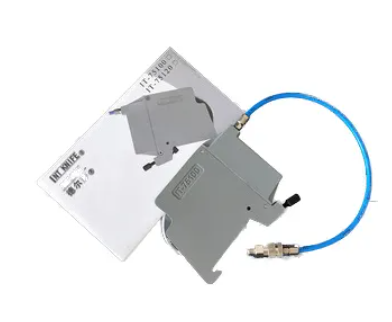
Modern manufacturing environments demand precision cutting solutions that can handle high-volume production while maintaining consistent quality. The pneumatic blade holder has emerged as a critical component in industrial cutting applications, offering superior control and efficiency compared to traditional mechanical systems. These advanced tools utilize compressed air to provide precise blade positioning and cutting force, making them indispensable in various manufacturing sectors including textiles, packaging, automotive, and electronics.
Understanding Pneumatic Blade Holder Technology
Core Operating Principles
A pneumatic blade holder operates through compressed air pressure systems that control blade movement with remarkable precision. The system consists of a cylinder housing, piston assembly, and blade mounting mechanism that work together to deliver consistent cutting performance. Air pressure typically ranges from 60 to 120 PSI, depending on the material thickness and cutting requirements. This pneumatic blade holder design allows for rapid cycling speeds while maintaining accurate blade positioning throughout the cutting process.
The pneumatic actuation system provides several advantages over hydraulic or electric alternatives. Response time is significantly faster due to the compressibility of air, enabling rapid start-stop operations essential in high-speed production lines. Temperature stability remains consistent since compressed air does not generate excessive heat during operation, unlike hydraulic fluid systems that can experience thermal expansion issues.
Component Integration and Design
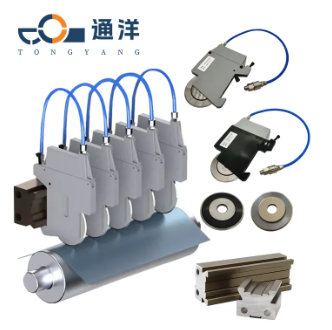
Modern pneumatic blade holder systems integrate multiple components to achieve optimal performance. The air cylinder assembly houses precision-machined pistons that translate air pressure into linear motion. Blade mounting systems accommodate various blade types and sizes, from thin razor blades for delicate materials to robust industrial blades for heavy-duty applications. Air flow control valves regulate pressure and speed, while position sensors provide feedback for automated systems.
Safety mechanisms are built into every quality pneumatic blade holder design. Emergency stop functions immediately halt blade movement when triggered, while pressure relief valves prevent system over-pressurization. Blade guards and protective covers shield operators from accidental contact, meeting stringent workplace safety regulations across different industries.
Industrial Applications Across Manufacturing Sectors
Textile and Apparel Manufacturing
The textile industry relies heavily on pneumatic blade holder systems for fabric cutting operations. Automated cutting tables equipped with these systems can process multiple fabric layers simultaneously, significantly reducing production time and material waste. Pattern cutting accuracy improves dramatically when using pneumatic systems, as the consistent pressure application ensures clean edges without fabric distortion or fraying.
Garment manufacturers particularly benefit from the speed and precision offered by pneumatic blade holder technology. Complex pattern shapes that would require extensive manual labor can be cut efficiently using computer-controlled pneumatic systems. The ability to maintain consistent blade depth across varying fabric thicknesses makes these systems invaluable for processing mixed-material garments and technical textiles.
Packaging Industry Applications
Packaging operations utilize pneumatic blade holder systems for trimming, scoring, and perforating various materials including cardboard, plastic films, and composite packaging materials. The precise control offered by pneumatic actuation ensures consistent perforation patterns that facilitate easy opening while maintaining package integrity. High-speed packaging lines depend on the rapid cycling capability of pneumatic blade holder systems to maintain production throughput.
Flexible packaging applications require specialized blade configurations that pneumatic systems can accommodate easily. The ability to quickly adjust cutting pressure and blade position allows manufacturers to switch between different packaging materials without extensive downtime. This flexibility proves crucial in environments where multiple product lines share common equipment.
Technical Advantages in Modern Manufacturing
Precision and Repeatability
Pneumatic blade holder systems deliver exceptional precision through controlled air pressure regulation. Cutting depth can be adjusted to within thousandths of an inch, enabling manufacturers to process delicate materials without damage while ensuring complete cuts through thicker substrates. The repeatability of pneumatic systems ensures that every cut meets identical specifications, critical for quality control in high-volume production environments.
Position feedback systems integrated with modern pneumatic blade holder assemblies provide real-time monitoring of blade location and cutting force. This data enables predictive maintenance scheduling and quality assurance protocols that minimize production disruptions. Automated systems can detect blade wear patterns and recommend replacement intervals based on actual cutting performance rather than arbitrary time schedules.
Speed and Efficiency Optimization
The rapid response characteristics of pneumatic blade holder systems enable cutting speeds that exceed mechanical alternatives by significant margins. Cycle times measured in milliseconds allow these systems to keep pace with high-speed production lines in industries such as electronics manufacturing and automotive component production. The instant on-off capability eliminates the gradual acceleration and deceleration phases common in electric motor-driven systems.
Energy efficiency of pneumatic blade holder systems compares favorably to electric alternatives when considering total system requirements. While compressed air generation requires energy input, the elimination of complex electrical control systems and reduced maintenance requirements often result in lower total operating costs. The ability to operate in hazardous environments where electrical systems might pose safety risks adds additional value in certain applications.
Material Processing Capabilities
Versatile Material Compatibility
Pneumatic blade holder systems demonstrate remarkable versatility in processing diverse materials ranging from thin films to thick composites. Paper and cardboard processing operations benefit from the clean cutting action that minimizes dust generation and edge fraying. Plastic sheet processing requires precise pressure control to prevent melting at cut edges, The pneumatic system achieves this goal through adjustable power application.
Metal foil and thin sheet metal applications utilize specialized blade configurations within pneumatic blade holder assemblies. The consistent pressure application prevents material distortion during cutting while maintaining sharp, clean edges essential for subsequent processing operations. Composite materials present unique challenges that pneumatic systems address through variable pressure profiles that accommodate different layer densities within laminated structures.
Thickness Range Adaptability
Modern pneumatic blade holder designs accommodate material thickness variations through programmable pressure settings and adjustable blade positions. Thin films measuring less than 0.001 inches can be processed using minimal pressure settings that prevent tearing or stretching. Conversely, thick materials exceeding one inch require higher pressure applications that pneumatic systems can deliver consistently without mechanical stress on the cutting mechanism.
Batch processing operations benefit from the ability of pneumatic blade holder systems to maintain cutting quality across varying material thicknesses within a single production run. Automatic thickness compensation systems adjust blade position and pressure based on real-time measurements, ensuring consistent results regardless of material variations that commonly occur in industrial supply chains.
Maintenance and Operational Considerations
Preventive Maintenance Protocols
Effective maintenance of pneumatic blade holder systems focuses on air system cleanliness and component wear monitoring. Regular air filter replacement prevents contamination that can cause erratic operation or premature component failure. Moisture removal systems protect internal components from corrosion while ensuring consistent air pressure delivery throughout the operating cycle.
Blade replacement schedules depend on material types and cutting volumes, but pneumatic blade holder systems typically provide clear indicators when blade sharpness degrades. Cutting force monitoring systems can detect increased resistance that signals blade dullness, enabling proactive replacement before cut quality deteriorates. This predictive approach minimizes production disruptions while maintaining consistent product quality.
System Integration Requirements
Integration of pneumatic blade holder systems into existing production lines requires careful consideration of air supply capacity and pressure stability. Compressed air systems must provide adequate flow rates and pressure regulation to support the rapid cycling demands of high-speed cutting operations. Pressure accumulator tanks help maintain consistent system pressure during peak demand periods.
Control system compatibility ensures seamless integration with existing manufacturing execution systems and quality management protocols. Modern pneumatic blade holder controllers support various communication protocols including Ethernet, Modbus, and proprietary industrial networks. This connectivity enables remote monitoring and control capabilities that support Industry 4.0 manufacturing initiatives.
Safety Features and Compliance Standards
Operator Protection Systems
Safety remains paramount in pneumatic blade holder system design, with multiple protection layers safeguarding operators and equipment. Light curtains and proximity sensors immediately stop blade movement when safety zones are breached. Emergency stop systems comply with international safety standards, providing multiple activation points accessible from all operator positions around the equipment.
Blade containment systems prevent accidental blade ejection during operation or maintenance procedures. Spring-loaded blade guards automatically cover cutting edges when the pneumatic blade holder system is not actively cutting. These safety features reduce workplace injury risks while maintaining productivity levels essential for competitive manufacturing operations.
Regulatory Compliance and Standards
Modern pneumatic blade holder systems comply with international safety and performance standards including OSHA, CE marking, and ISO certification requirements. Design validation testing ensures consistent performance under specified operating conditions while meeting environmental requirements for noise levels and emissions. Documentation packages provide comprehensive safety data sheets and operating procedures required for regulatory compliance.
Quality certification programs verify pneumatic blade holder system performance through third-party testing and inspection protocols. These certifications demonstrate compliance with industry-specific requirements such as FDA regulations for food packaging applications or automotive quality standards for component manufacturing operations.
Future Developments and Technology Trends
Smart System Integration
Emerging technologies are transforming pneumatic blade holder systems into intelligent manufacturing components capable of self-monitoring and optimization. Artificial intelligence algorithms analyze cutting patterns and material characteristics to automatically adjust system parameters for optimal performance. Machine learning capabilities enable systems to adapt to new materials and cutting requirements without manual programming.
Internet of Things connectivity allows pneumatic blade holder systems to communicate performance data and maintenance requirements to centralized monitoring systems. Predictive analytics identify potential failures before they occur, enabling proactive maintenance scheduling that minimizes production disruptions. These smart capabilities represent the next evolution in industrial cutting technology.
Advanced Materials and Design Innovation
Research and development efforts focus on improving pneumatic blade holder system durability and performance through advanced materials and design optimization. Lightweight composite housings reduce system inertia while maintaining structural integrity under high-pressure operations. Ceramic blade guides provide superior wear resistance compared to traditional steel components, extending service life and reducing maintenance requirements.
Modular design concepts enable rapid reconfiguration of pneumatic blade holder systems for different applications without complete system replacement. Standardized interfaces allow components from different manufacturers to work together, reducing inventory requirements and improving system flexibility. These design innovations support lean manufacturing principles while providing the adaptability required for modern production environments.
FAQ
What air pressure is typically required for pneumatic blade holder operation
Most pneumatic blade holder systems operate effectively with air pressure between 60 to 120 PSI, depending on the material being cut and the required cutting force. Thicker or denser materials may require higher pressures, while delicate materials need lower pressure settings to prevent damage. Modern systems include pressure regulation capabilities that allow fine-tuning for specific applications and materials.
How often should blades be replaced in pneumatic blade holder systems
Blade replacement frequency depends on several factors including material type, cutting volume, and blade quality. For continuous production environments, blades may require replacement daily or weekly. Systems equipped with cutting force monitoring can detect blade dulling automatically, providing optimal replacement timing based on actual performance rather than arbitrary schedules. This approach maximizes blade utilization while maintaining cut quality.
Can pneumatic blade holder systems be integrated with existing production lines
Yes, pneumatic blade holder systems are designed for integration with existing manufacturing equipment through standardized mounting interfaces and control system compatibility. Most systems support common industrial communication protocols and can interface with PLCs and manufacturing execution systems. Professional installation services ensure proper integration while minimizing production downtime during implementation.
What maintenance is required for pneumatic blade holder systems
Regular maintenance includes air filter replacement, moisture removal system inspection, and blade condition monitoring. Lubrication of moving components according to manufacturer specifications prevents premature wear and ensures smooth operation. Preventive maintenance schedules typically include monthly inspections of seals and connections, quarterly pressure system testing, and annual comprehensive system calibration to maintain optimal performance.
Table of Contents
- Understanding Pneumatic Blade Holder Technology
- Industrial Applications Across Manufacturing Sectors
- Technical Advantages in Modern Manufacturing
- Material Processing Capabilities
- Maintenance and Operational Considerations
- Safety Features and Compliance Standards
- Future Developments and Technology Trends
- FAQ