 EN
EN

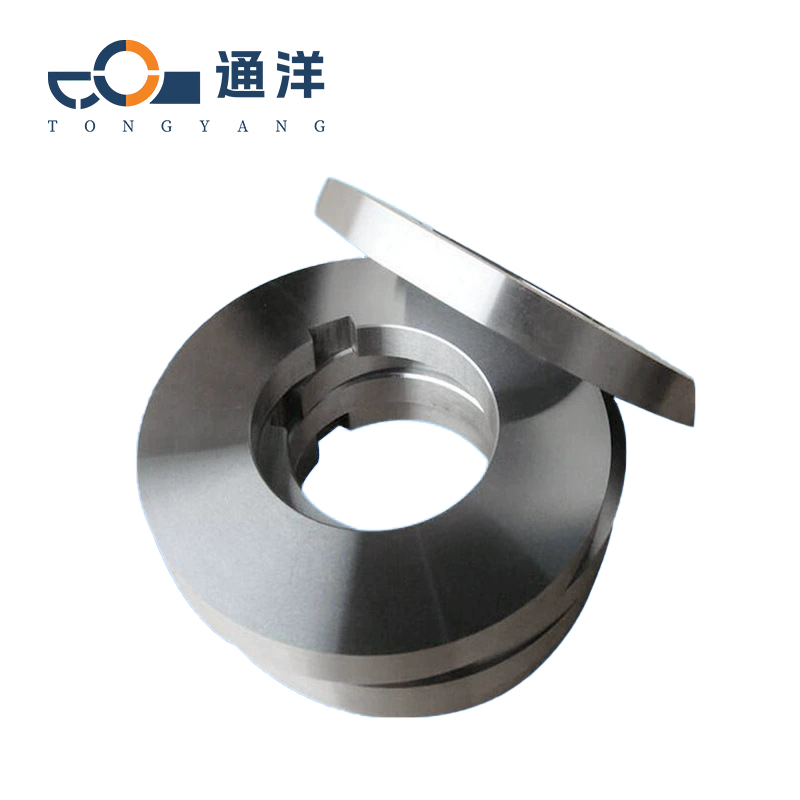
Selecting the right metal cutting blade is one of the most critical decisions in industrial manufacturing and fabrication operations. The performance of your metal cutting blade directly impacts production efficiency, material waste, tool longevity, and final product quality. Whether you operate in automotive, aerospace, construction, or general metalworking, understanding how to evaluate and choose a metal cutting blade ensures optimal results and cost-effectiveness across your operations.
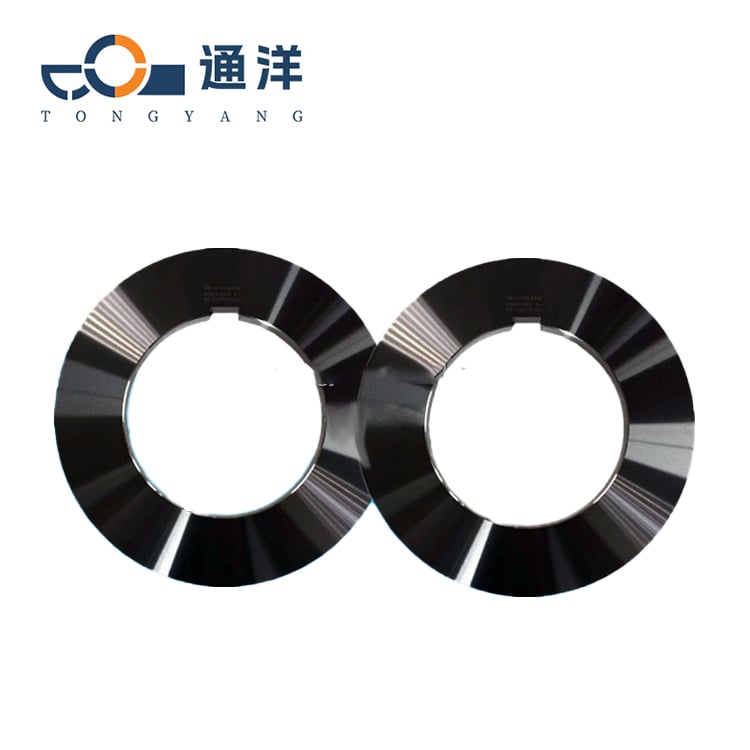
A properly selected metal cutting blade delivers faster cutting speeds, cleaner edges, reduced heat generation, and extended blade life. Different metals require different blade specifications, and even within a single metal type, factors like thickness, hardness, and surface finish demand specific metal cutting blade configurations. This guide walks you through the essential criteria and practical strategies for choosing the ideal metal cutting blade for your unique industrial requirements.
Understanding Metal Cutting Blade Fundamentals
Core Components of a Metal Cutting Blade
Every metal cutting blade consists of three primary functional elements: the blade body, the cutting edges or teeth, and the mounting interface. The blade body provides structural support and heat dissipation capability, which are crucial for maintaining blade stability during high-speed cutting operations. The cutting edges or teeth of your metal cutting blade determine the actual cutting action, working depth, and chip removal efficiency. The mounting interface ensures secure fastening to your cutting equipment, preventing vibration and ensuring repeatable, safe operations.
The tooth geometry of a metal cutting blade includes rake angle, clearance angle, and tooth pitch. These geometric parameters directly influence how aggressively the metal cutting blade engages with the workpiece, how quickly chips are removed, and how much heat is generated during the cutting process. Understanding these fundamentals helps you predict how a metal cutting blade will perform before installation and identify whether it matches your specific material and speed requirements.
Material Composition and Blade Performance
The substrate material of your metal cutting blade significantly determines its hardness, toughness, and heat resistance. High-speed steel (HSS) metal cutting blade options offer excellent toughness and cost-effectiveness for general applications, while carbide metal cutting blade grades provide superior hardness and heat resistance for high-speed production runs. Ceramic and diamond-coated metal cutting blade variants serve specialized high-performance applications where extreme temperatures and wear resistance are non-negotiable.
Coating technologies applied to a metal cutting blade surface extend blade life, reduce friction, and enable higher cutting speeds. Titanium nitride (TiN), aluminum oxide (Al2O3), and polycrystalline diamond (PCD) coatings on a metal cutting blade improve wear resistance and reduce adhesive wear during cutting. The choice between coated and uncoated metal cutting blade options depends on your budget, cutting speed requirements, and production volume expectations.
Matching Metal Cutting Blade Selection to Your Material
Selecting the Right Metal Cutting Blade for Ferrous Metals
Ferrous metals, including mild steel, stainless steel, and cast iron, represent the largest category of industrial cutting applications and require careful metal cutting blade selection. Mild steel and low-carbon steel respond well to aggressive metal cutting blade designs with positive rake angles and coarser tooth spacing. High-speed steel metal cutting blade options work efficiently for manual or slower-speed operations, while carbide metal cutting blade grades support production-scale applications requiring sustained high-speed cutting.
Stainless steel demands a specialized metal cutting blade approach due to its work-hardening tendency and poor thermal conductivity. A metal cutting blade for stainless steel should feature a larger clearance angle, moderate rake angle, and sufficient tooth spacing to prevent chip clogging. Cast iron requires an entirely different metal cutting blade strategy, often benefiting from ceramic or specialized carbide metal cutting blade formulations that handle the abrasive nature and brittleness of cast material without frequent blade replacement.
Metal Cutting Blade Requirements for Nonferrous Metals
Aluminum, copper alloys, and brass present distinct challenges that demand specialized metal cutting blade design considerations. Aluminum's low melting point requires a metal cutting blade with effective chip evacuation and minimal friction to prevent thermal buildup and smearing. A metal cutting blade for aluminum typically features a higher rake angle, sharper cutting edges, and sometimes wavy or variable tooth spacing to handle the sticky nature of aluminum chips.
Copper and its alloys require a metal cutting blade with excellent heat dissipation properties and resistance to adhesive wear. The ideal metal cutting blade for copper maintains sharp cutting edges and incorporates design features that encourage chip breaking rather than long, continuous chip formation. Titanium and nickel-based superalloys demand premium metal cutting blade options, often carbide or ceramic grades, because these materials retain hardness at elevated temperatures and generate significant cutting forces and heat.
Practical Selection Criteria and Performance Factors
Blade Thickness, Tooth Pitch, and Cutting Speed Optimization
Metal cutting blade thickness directly affects rigidity, heat dissipation, and the quality of the cut surface. Thicker metal cutting blade options provide greater stability and longer blade life but generate more friction and heat. Thinner metal cutting blade configurations reduce kerf waste and produce finer cuts but demand better machine calibration and more frequent blade replacement. Tooth pitch, measured as the distance between adjacent teeth on a metal cutting blade, determines the cutting action smoothness and chip load per tooth.
Finer tooth pitch on a metal cutting blade produces smoother, more precise cuts on thin materials and hardened alloys, while coarser tooth pitch metal cutting blade designs work better for thicker stock and rapid material removal applications. The ideal cutting speed for any metal cutting blade depends on the blade material, tooth geometry, workpiece material, and machine capabilities. Running a metal cutting blade below its optimal speed wastes productive capacity and increases heat generation, while exceeding recommended speeds causes premature wear and potential blade failure.
Mounting Interface and Safety Considerations
The mounting interface quality significantly impacts metal cutting blade performance and operational safety. Proper blade arbor alignment ensures that your metal cutting blade rotates true and prevents vibration-induced chatter marks on the workpiece. The metal cutting blade should be secured with appropriate flanges and fasteners that distribute clamping force evenly without damaging the blade or creating stress concentrations. Incorrect mounting not only degrades the performance of even the highest-quality metal cutting blade but also creates serious safety hazards.
Before installing a metal cutting blade, verify that the arbor size matches exactly, inspect the blade for cracks or damage, and confirm that the maximum RPM rating printed on the metal cutting blade never exceeds your machine's spindle speed capability. Loose mounting causes a metal cutting blade to wander and produce uneven cuts, while excessive clamping force can crack the blade or distort its geometry. Always follow manufacturer guidelines for your specific metal cutting blade model and machine type to ensure safe, reliable operation.
FAQ
How do I know when to replace a metal cutting blade?
A metal cutting blade should be replaced when you notice deteriorating cut quality, increased cutting forces requiring higher feed rates, excessive heat generation, or visible wear on the cutting edges. Some operators use a time-based replacement schedule, replacing the metal cutting blade after a set number of operating hours, while others use condition-based monitoring. If you observe dull or discolored metal cutting blade surfaces, frequent binding, or rough, chipped edges under magnification, replacement is overdue. Regular inspection prevents tool breakage and maintains consistent product quality.
Can a single metal cutting blade design work for multiple material types?
While some universal metal cutting blade designs offer reasonable performance across a narrow range of materials, optimized metal cutting blade specifications always outperform general-purpose options. A metal cutting blade engineered for aluminum will struggle with stainless steel and vice versa. Maintaining a small inventory of application-specific metal cutting blade types, each optimized for your most common material categories, delivers better cutting results, longer blade life, and lower overall cost per part than relying on compromise metal cutting blade designs.
What is the relationship between machine power and metal cutting blade selection?
Your machine's available power limits the cutting forces your metal cutting blade can generate during operation. An underpowered machine paired with an aggressive metal cutting blade causes stalling, chatter, and premature blade wear. Conversely, selecting a conservative metal cutting blade design for a powerful machine underutilizes your equipment's capabilities. Match your metal cutting blade specifications, including tooth geometry, material grade, and cutting speed recommendations, to your machine's horsepower, spindle speed range, and structural rigidity to maximize productivity while protecting both equipment and blade.