 EN
EN

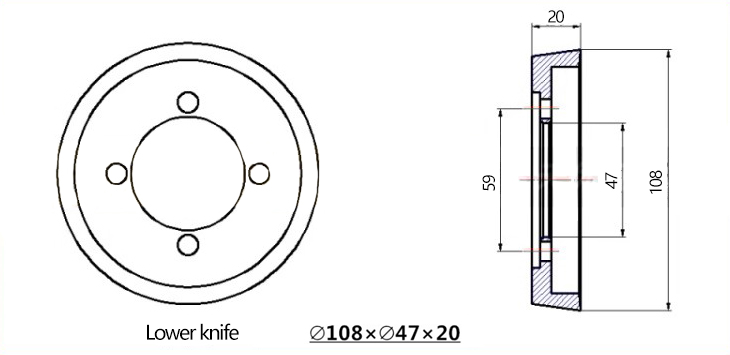
Selecting the right leather cutting blade is fundamental to achieving clean cuts, maximizing productivity, and ensuring consistent results in leather processing. Whether you work in fashion, upholstery, automotive interiors, or specialized leather goods manufacturing, the performance of your leather cutting blade directly impacts material waste, production time, and final product quality. Many operators struggle with blade selection because they do not fully understand how blade composition, edge geometry, and material thickness requirements interact to deliver superior cutting performance on leather.
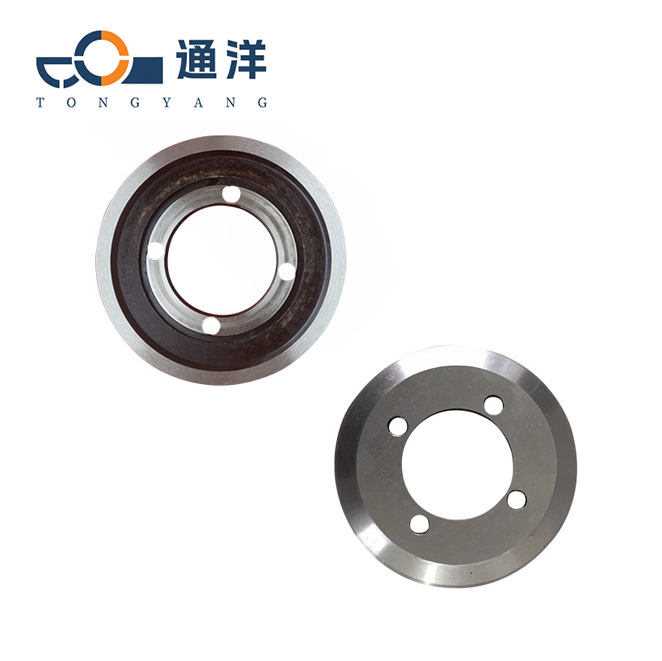
The process of finding your ideal leather cutting blade requires evaluating multiple technical dimensions, including steel quality, blade sharpness rating, backing material, and the specific leather types you process most frequently. A leather cutting blade engineered for premium performance will reduce operator fatigue, extend blade life between sharpening cycles, and produce edge finishes that require minimal post-cutting work. This guide walks you through the critical decision factors so you can confidently select a leather cutting blade that matches your operational demands and budget constraints.
Understanding Blade Materials and Steel Types
High-Carbon Steel vs. Stainless Steel Composition
The foundation of any quality leather cutting blade lies in its steel composition. High-carbon steel remains the gold standard for leather cutting blade manufacturing because it holds a sharper edge longer and achieves finer cutting geometry than stainless alternatives. A leather cutting blade made from high-carbon steel typically maintains its cutting edge through 50 percent more cuts than lower-grade variants, reducing downtime and replacement frequency. Stainless steel offers superior corrosion resistance but sacrifices edge retention, making it better suited for humid environments where rust prevention outweighs edge performance as the primary concern.
Hardness Rating and Durability Considerations
Blade hardness, measured on the Rockwell scale, directly determines how long a leather cutting blade maintains its cutting efficiency. A leather cutting blade rated between 58 and 62 HRC offers the optimal balance between edge sharpness and chip resistance without becoming brittle during repetitive cutting operations. Blades below 56 HRC dull quickly and require frequent sharpening, while leather cutting blade variants exceeding 63 HRC become prone to chipping when encountering thick, dense leather or seams. Premium leather cutting blade manufacturers conduct rigorous hardness testing to ensure consistency across production batches, which translates to predictable performance and reduced material waste in your cutting department.
Evaluating Blade Geometry and Edge Design
Cutting Angle and Edge Sharpness Profiles
The cutting angle of a leather cutting blade determines how efficiently the blade penetrates leather fibers and influences the quality of the resulting cut edge. A leather cutting blade with a 15 to 20-degree cutting angle creates a fine, clean edge ideal for delicate leather goods and visible seams, while wider angles between 25 and 30 degrees provide greater durability for heavy production runs on thicker hides. The sharpness profile of a leather cutting blade also affects initial cutting resistance; a finely honed blade requires less downward pressure, reducing operator fatigue during extended cutting sessions. Selecting the appropriate edge geometry for your specific leather cutting blade application prevents unnecessary strain on cutting equipment and extends the usable life of both the blade and the machinery housing it.
Blade Width and Backing Support Structure
A leather cutting blade must balance width with structural integrity to perform reliably across diverse leather types and thicknesses. Narrower leather cutting blade designs, typically 8 to 12 millimeters wide, excel at precision work and intricate pattern cutting where maneuverability matters more than cutting volume. Wider leather cutting blade configurations, ranging from 15 to 25 millimeters, distribute cutting force more evenly and reduce deflection when processing heavy full-grain leather or multiple-layer assemblies. The backing material of a leather cutting blade, whether tempered steel or composite reinforcement, provides the support structure that prevents blade warping and maintains consistent cut depth throughout extended production runs. Premium leather cutting blade manufacturers engineer backing structures that match the hardness and thickness of the cutting edge to ensure balanced stress distribution.
Matching Blade Selection to Leather Types and Applications
Leather Grade and Thickness Compatibility
Different leather grades demand different leather cutting blade specifications to achieve optimal results. Full-grain leather and vegetable-tanned hides require a leather cutting blade with enhanced durability because natural oils and fibrous density create higher resistance compared to chrome-tanned leathers. Genuine suede and nubuck leathers call for a finer, sharper leather cutting blade edge to avoid surface damage, crushing fibers, or creating visible tool marks on the delicate nap. Reconstituted and split leathers present variable thickness across single hides, making a leather cutting blade with slightly increased width and backing support more practical than precision-focused narrow designs. Matching your leather cutting blade selection to the specific grades you process most frequently ensures you achieve the best balance between cutting quality, blade longevity, and operational efficiency.
Production Volume and Cutting Speed Requirements
Production volume directly influences which leather cutting blade represents the right investment for your operation. High-volume cutting environments benefit from a leather cutting blade engineered for rapid dulling resistance and extended edge life, justifying premium pricing through reduced replacement frequency and minimized downtime. Low-volume or intermittent cutting applications may accept a leather cutting blade with more modest performance specifications if budget constraints are tight, though operators must accept more frequent sharpening cycles. The cutting speed capability of your equipment also shapes leather cutting blade selection; machinery designed for rapid cutting strokes requires a leather cutting blade with superior shock resistance and precise dimensional consistency to prevent chatter and surface defects.
Maintenance and Longevity Factors
Sharpening Frequency and Edge Restoration Protocols
Understanding the maintenance requirements of your leather cutting blade prevents premature dullness and extends overall service life. A well-maintained leather cutting blade can be professionally resharpened 8 to 12 times before dimensional wear becomes excessive, effectively multiplying the value of your initial investment. Avoid DIY sharpening of premium leather cutting blade models unless you possess specialized equipment; improper sharpening angles destroy the engineered edge geometry and compromise cutting performance immediately. Storage conditions also affect leather cutting blade longevity; keep blades in a dry environment protected from humidity and temperature fluctuations that cause micro-corrosion and edge degradation even when not in active use.
Cost Analysis and Total Cost of Ownership
Evaluating leather cutting blade costs requires analyzing total cost of ownership rather than focusing solely on purchase price. A premium leather cutting blade costs 30 to 50 percent more initially but delivers 3 to 4 times the cutting cycles before replacement compared to budget alternatives, resulting in genuine savings across a 12-month operating period. Material waste reduction also contributes to cost justification; a sharp leather cutting blade produces cleaner edges with minimal fraying, reducing scrap rates by 15 to 25 percent on precision cutting operations. Calculate your annual blade consumption based on current usage patterns, then compare the cost per cut cycle across multiple leather cutting blade options to identify which specification delivers the lowest true cost regardless of initial purchase price.
FAQ
What is the ideal thickness for a leather cutting blade?
Ideal leather cutting blade thickness ranges from 0.8 to 1.2 millimeters, balancing edge sharpness with structural durability. Thinner leather cutting blade designs produce finer cuts but become prone to bending under pressure, while thicker variants resist deflection but sacrifice cutting precision. Your specific leather cutting blade thickness should match your machinery capability and the leather grades you process most frequently.
How often should a leather cutting blade be professionally resharpened?
A leather cutting blade typically requires professional resharpening after 4 to 8 weeks of regular use, depending on production volume and leather thickness. High-volume operations may need their leather cutting blade resharpened weekly, while low-volume users might extend this to monthly intervals. Monitor cutting resistance and edge quality; if your leather cutting blade requires noticeably more downward pressure or produces ragged edges, it is time for professional sharpening rather than waiting for a predetermined schedule.
Can a leather cutting blade handle synthetic materials like vinyl and faux leather?
Yes, a leather cutting blade can cut synthetic materials, though results vary based on blade specification and material composition. Many operators find that a leather cutting blade performs well on vinyl and polyurethane-based faux leather, though these synthetics may dull the edge faster than natural leather due to their chemical structure. Test your leather cutting blade on your specific synthetic materials before committing to production; some synthetics require specialized blade coatings or edge profiles for optimal performance.