 EN

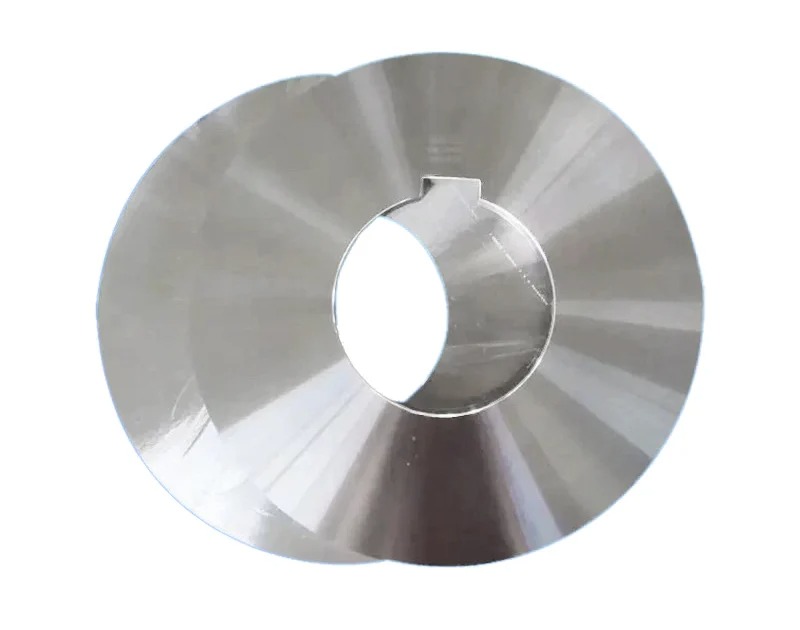
Selecting the right cutting blade is essential for modern manufacturing. It directly affects cutting precision, product quality, and production efficiency. Across industries like packaging, textiles, and food processing, using the right blade helps manufacturers achieve consistent results while reducing downtime and workplace hazards.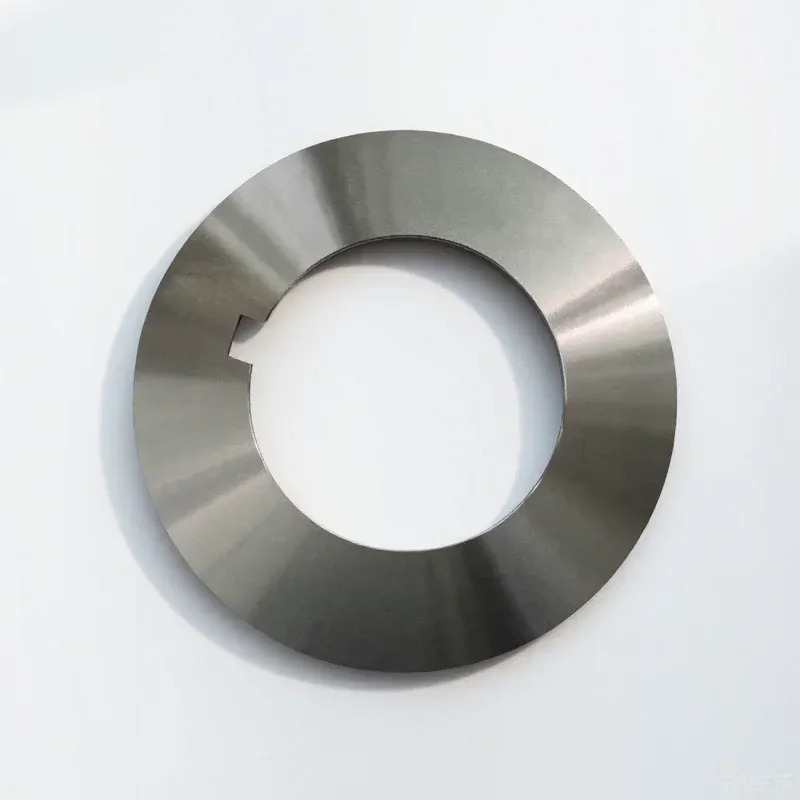
1. Consider Blade Materials and Substrates
The durability and performance of a cutting blade depend heavily on its material:
High-Speed Steel (HSS): Offers excellent toughness and flexibility, ideal for flexible packaging and textiles where blade breakage must be avoided.
Tungsten Carbide: Exceptionally hard and wear-resistant, perfect for high-volume processing of abrasive materials like dense paperboard and composites.
Stainless Steel: Provides superior corrosion resistance, making it the preferred choice for sanitary food processing and wet environments.
2. Select the Right Edge Geometry and Coating
Single vs. Double Bevel: Single-bevel blades deliver ultra-clean cuts on thin plastic films, while double-bevel profiles provide the strength needed for thicker materials.
Surface Coatings: Coatings like Titanium Nitride (TiN) or Teflon reduce friction and prevent adhesive buildup, extending tool life significantly.
3. Enhance Precision with Pneumatic Blade Holders
Even a high-quality blade requires a stable holder to perform effectively. Integrating a pneumatic blade holder into your cutting line offers key operational benefits:
Improved Worker Safety: Automating blade placement and movement eliminates direct manual contact with sharp edges, preventing accidental injuries.
Consistent Force & Precision: Air-powered pressure ensures uniform cutting force across every cycle, preventing blade deflection and rough edges.
Seamless PLC Integration: Pneumatic systems respond instantly to electronic controls, allowing precise timing coordination in high-speed automated lines.
Real-World Applications
Packaging & Films: Uses sharp, low-friction blades to execute clean cuts without stretching thin plastic materials.
Textiles: Requires precise bevel edges to cut fabrics cleanly without edge fraying.
Food Processing: Depends on stainless steel blades with easy-to-clean mounts to maintain strict hygiene standards.
Frequently Asked Questions
How do I know when a cutting blade needs replacement?
Common indicators include burrs on cut edges, material dragging, increased cutting noise, or noticeable pressure drops during operation.
What air pressure do pneumatic holders typically require?
Most standard systems operate efficiently between 60 and 100 PSI, depending on material hardness and cut thickness.
Can modern blade holders be retrofitted onto older machines?
Yes, as long as there is adequate mounting space and air supply, retrofitting provides a cost-effective upgrade in safety and cut consistency.
Which specific material or line speed are you choosing blades for?