 EN
EN

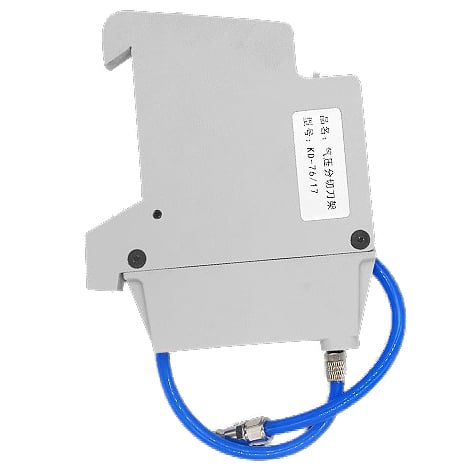
A pneumatic blade holder represents a critical innovation in modern automation systems, particularly for industries requiring precise and safe cutting operations. These specialized devices use compressed air pressure to secure cutting blades with exceptional consistency, eliminating the manual handling risks and variability that plague traditional blade mounting methods. The pneumatic blade holder has become indispensable in manufacturing environments where accuracy directly impacts product quality and worker safety. Understanding how this technology functions and delivers tangible benefits can help industrial facilities make informed decisions about upgrading their cutting systems.
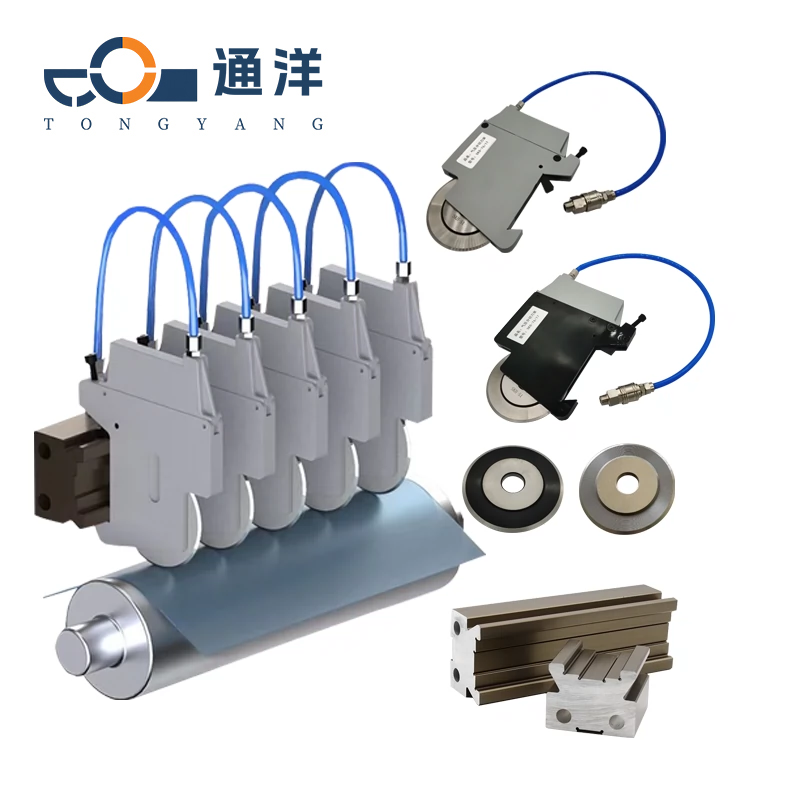
The adoption of a pneumatic blade holder fundamentally transforms cutting operations by introducing pneumatic pressure as the primary securing mechanism. Unlike mechanical clamps or manual fasteners, a pneumatic blade holder delivers uniform clamping force across the blade surface, ensuring repeatable blade positioning and minimizing deflection during operation. This technological shift has proven particularly valuable in high-speed production environments where conventional mounting systems cannot maintain the precision and safety standards required for consistent output quality.
How Pneumatic Blade Holders Enhance Operational Safety
Reducing Manual Handling Hazards
The pneumatic blade holder substantially reduces worker exposure to sharp blade edges during setup and changeover operations. Traditional blade mounting requires operators to handle sharp cutting implements directly, creating significant laceration and puncture wound risks. A pneumatic blade holder enables operators to position blades into the holder from safer angles, with air pressure securing the blade automatically once properly seated. This elimination of direct manual contact with blade edges represents one of the most immediately recognizable safety advantages of pneumatic blade holder technology in industrial facilities.
Preventing Blade Slippage and Ejection
Blade slippage during operation poses catastrophic safety risks, potentially causing blade ejection toward operators or product damage in high-speed production lines. The pneumatic blade holder applies consistent radial and axial pressure to the blade, preventing any possibility of rotational or axial displacement during cutting cycles. This pneumatic blade holder design ensures blade security even under extreme vibration, pressure spikes, or unexpected load variations. The fail-safe nature of a well-designed pneumatic blade holder makes it the preferred choice for safety-critical cutting applications across multiple industries.
Precision Capabilities of Pneumatic Blade Holder Systems
Achieving Consistent Blade Positioning
Precision in cutting operations depends fundamentally on maintaining exact blade position across thousands of production cycles. A pneumatic blade holder delivers millimeter-level positioning accuracy by using pneumatic pressure to center the blade within the holder's engineered seating surfaces. Unlike mechanical clamps that rely on manual tightening and inherently create micro-variations in blade position, a pneumatic blade holder achieves repeatable positioning within extremely tight tolerances. This consistency directly translates to higher quality finished products and reduced waste in precision manufacturing environments.
Minimizing Vibration and Deflection
During high-speed cutting operations, blade vibration and deflection cause dimensional inaccuracy and premature tool wear. The pneumatic blade holder uses uniform pressure distribution to create a rigid connection between the blade and the cutting head, significantly damping vibration transmission. This pneumatic blade holder characteristic becomes especially critical when cutting delicate materials or achieving tight dimensional tolerances. The damping properties of a properly configured pneumatic blade holder enable smoother cutting action and superior surface finish quality compared to conventional mechanical mounting approaches.
Automation Integration and Workflow Efficiency
Enabling Rapid Tool Changes
Modern production facilities demand quick blade changeovers to accommodate varying product specifications and production schedules. A pneumatic blade holder enables one-step blade release through simple pneumatic valve activation, eliminating the time-consuming manual wrench work required by mechanical fasteners. This rapid tool change capability becomes transformative in facilities producing multiple product variants on the same cutting line. The pneumatic blade holder design allows operators to change cutting tools in seconds rather than minutes, directly improving overall production throughput and equipment utilization rates.
Supporting Automated Production Lines
Fully automated cutting systems require blade holders that can interface seamlessly with robotic tool changers and programmable control systems. A pneumatic blade holder integrates perfectly with pneumatic control architectures already present in most industrial automation systems. The pneumatic blade holder can be automatically released and secured through simple electrical signals to pneumatic solenoid valves, enabling complete integration with production management software. This automation-friendly nature makes the pneumatic blade holder the natural choice for next-generation cutting systems seeking enhanced productivity and reduced labor dependency.
Technical Considerations for Pneumatic Blade Holder Selection
Pressure Requirements and System Compatibility
Effective pneumatic blade holder performance depends on maintaining appropriate air pressure within the specified operating range, typically between 4 and 8 bar for most industrial applications. Facilities considering pneumatic blade holder adoption must verify that existing air supply systems can deliver consistent pressure at required flow rates. A properly maintained pneumatic blade holder demands clean, dry compressed air to ensure long-term reliability and prevent internal seal degradation. Understanding pneumatic blade holder pressure specifications ensures successful integration into existing production infrastructure without requiring substantial facility modifications.
Blade Compatibility and Mounting Interface Standards
The pneumatic blade holder must accommodate the specific blade geometries and mounting interfaces used within your cutting operations. Different industrial applications employ varying blade profiles, edge radiuses, and mounting hole configurations. A properly specified pneumatic blade holder provides reliable blade retention across the complete range of blade variants required for your production portfolio. Consulting with experts before deploying a pneumatic blade holder ensures that selected equipment matches your blade specifications and operational requirements without requiring costly modifications.
FAQ
Can a pneumatic blade holder improve product quality in high-speed cutting applications?
Yes, the pneumatic blade holder delivers significant quality improvements through precise blade positioning and vibration damping that minimize dimensional variation and surface irregularities. By maintaining consistent blade geometry and eliminating micro-movements that occur with mechanical clamps, a pneumatic blade holder produces more uniform cutting results and reduces scrap rates associated with dimensional non-conformance. Industries producing precision components consistently report measurable quality improvements after transitioning to pneumatic blade holder technology.
What maintenance schedule should facilities follow for pneumatic blade holder equipment?
A pneumatic blade holder requires regular inspection of pneumatic seals, connection points, and pressure regulation components to ensure continued reliable operation. Facilities should verify pneumatic blade holder air pressure settings weekly, replace internal seals according to manufacturer specifications, and inspect the blade seating surface monthly for wear or contamination. Maintaining clean compressed air through proper filtration directly extends pneumatic blade holder service life and prevents operational failures. Most industrial facilities find that implementing a preventive maintenance program for their pneumatic blade holder investment requires minimal effort while delivering substantial returns through improved reliability.
How does a pneumatic blade holder compare to mechanical blade fastening systems?
A pneumatic blade holder offers superior safety, faster tool changes, and more consistent positioning compared to manual mechanical fasteners requiring wrench tightening. The pneumatic blade holder eliminates operator contact with sharp blades, enables automated blade changes, and provides repeatable clamping force that mechanical systems cannot match. While pneumatic blade holder systems require compressed air infrastructure, the safety and efficiency gains justify the investment for facilities performing high-volume cutting operations or implementing automation systems. Organizations processing time-sensitive orders particularly benefit from the rapid blade change capabilities that only a pneumatic blade holder can deliver.