 EN
EN

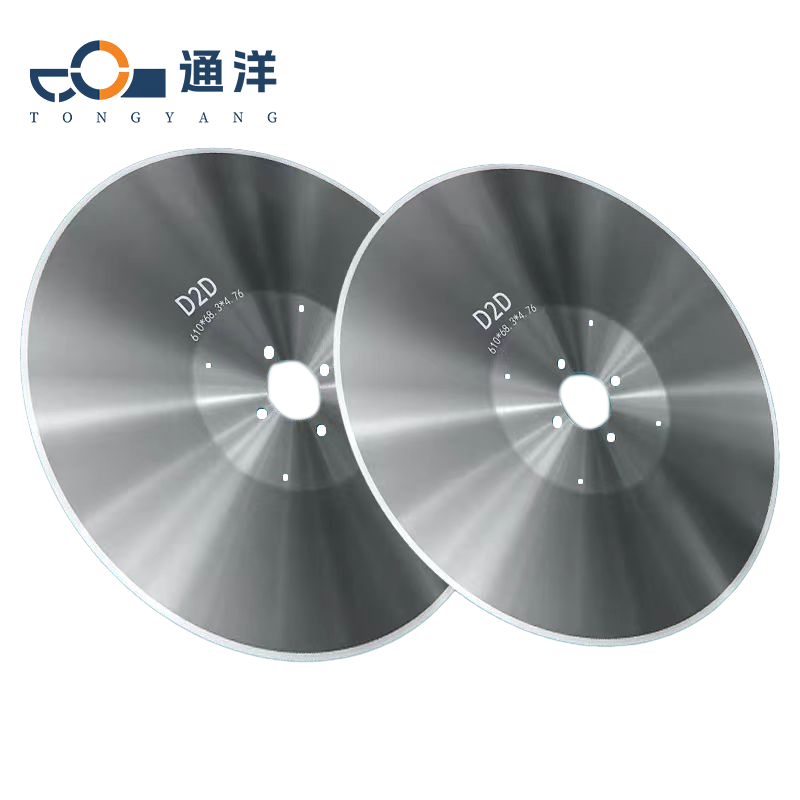
High-volume paper cutting operations demand exceptional precision and reliability. A defective paper cutting blade can compromise product quality, slow production timelines, and increase operational costs across your facility. Selecting the right paper cutting blade is therefore one of the most critical decisions a production manager can make. The difference between a standard blade and a premium paper cutting blade often determines whether your operation produces clean, professional cuts or deals with constant tears, burrs, and waste.
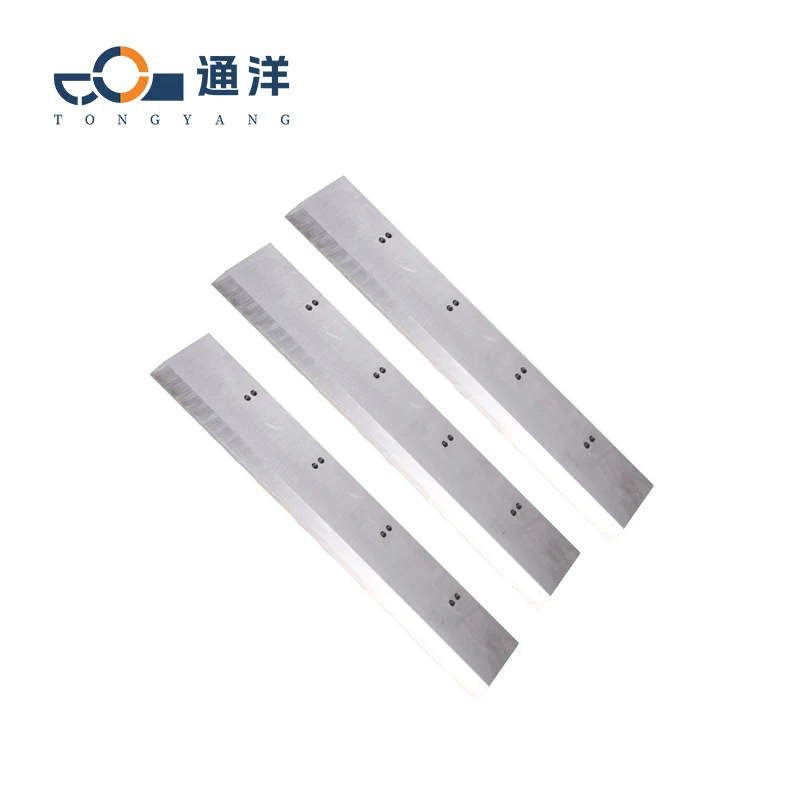
Understanding the characteristics of a superior paper cutting blade allows you to eliminate the frustration and expense of poor cutting outcomes. Whether you manage a print shop, packaging facility, or commercial paper processing center, the performance of your paper cutting blade directly impacts your bottom line. This guide explains how to identify, evaluate, and implement the best paper cutting blade solutions for sustained, high-quality production at scale.
Key Material and Design Features of High-Performance Paper Cutting Blades
Blade Composition and Edge Geometry
The material composition of a paper cutting blade determines its cutting ability, durability, and resistance to edge degradation. Industrial-grade paper cutting blade options typically use hardened steel, ceramic, or composite materials engineered to maintain a razor-sharp edge through thousands of cuts. The edge geometry—including bevel angle, blade thickness, and sharpness profile—must be precisely calibrated for the specific paper grades and weights your operation processes. A poorly designed paper cutting blade edge will crumble, dull rapidly, or create ragged tears instead of clean edges.
Premium paper cutting blade designs incorporate advanced heat treatment processes that balance hardness with brittleness resistance. The blade must be hard enough to slice cleanly through dense cardstock yet flexible enough to withstand the mechanical stress of repetitive cutting cycles. A superior paper cutting blade maintains its edge geometry under pressure and temperature fluctuations, whereas inferior alternatives degrade within hours of continuous use. This distinction is the primary reason why investing in a quality paper cutting blade reduces your long-term operational expenses despite higher upfront costs.
Coating and Surface Protection
Modern paper cutting blade technology increasingly incorporates specialized coatings that reduce friction, prevent paper fibers from adhering to the blade surface, and protect against corrosion. A coated paper cutting blade resists the buildup of paper dust and chemical residues that accumulate during extended production runs. This coating extends the cutting lifespan and maintains consistent performance across your high-volume operations without requiring frequent blade replacements or cleaning interventions. An uncoated paper cutting blade, by contrast, quickly becomes compromised by surface adhesion and oxidation, leading to unpredictable cutting quality and production delays.
Minimizing Tears and Burrs Through Proper Blade Selection and Maintenance
Root Causes of Tears and Burrs in Paper Cutting Operations
Tears and burrs emerge when a paper cutting blade loses its sharpness, becomes misaligned, or encounters incompatible paper specifications. A dull paper cutting blade cannot slice fibers cleanly; instead, it compresses and tears them, leaving a ragged, burr-laden edge. Blade misalignment forces the paper cutting blade to work at inefficient angles, multiplying stress on fibers and creating inconsistent cut quality. High-moisture paper, certain coated stocks, and dense cardboard compounds demand a paper cutting blade with precise edge geometry and adequate cutting force—using a standard blade on specialty papers guarantees failure.
Environmental factors also influence tear and burr formation. Humidity and temperature fluctuations affect paper moisture content, making it either too brittle or too flexible for your paper cutting blade to handle optimally. Dust accumulation on the blade surface compromises edge contact, forcing the paper cutting blade to work harder and less efficiently. Production teams that understand these mechanisms can proactively select and maintain a paper cutting blade that eliminates tears and burrs entirely, protecting product reputation and reducing scrap costs.
Maintenance Protocols to Extend Paper Cutting Blade Life
Regular inspection and maintenance of your paper cutting blade prevents performance degradation and catches damage early. Schedule monthly sharpening cycles for your paper cutting blade, or implement automatic blade monitoring systems that track edge wear in real time. Clean your paper cutting blade daily using soft brushes and compressed air to remove paper fibers, dust, and residue that interfere with cutting precision. Never use corrosive or abrasive cleaning methods on your paper cutting blade, as these damage specialized coatings and compromise edge geometry.
Proper storage of your paper cutting blade also extends its operational lifespan significantly. Keep spare blades in controlled-humidity environments away from temperature extremes. Protective blade covers prevent accidental damage and oxidation during storage periods. Rotation schedules—where your paper cutting blade is regularly swapped with backup blades—ensure that no single blade exceeds its optimal usage cycle. This systematic approach to maintenance transforms your paper cutting blade from a consumable liability into a managed asset that consistently delivers superior results.
Optimizing Paper Cutting Blade Selection for Specific Operational Demands
Matching Blade Type to Paper Stock and Volume Requirements
Different paper stocks demand different paper cutting blade configurations. Standard office papers require a standard-geometry paper cutting blade with moderate edge acuity. Coated glossy stocks demand a paper cutting blade with a steeper bevel angle and harder material composition to prevent slipping and burr formation. Cardboard and multi-ply materials require a heavy-duty paper cutting blade with reinforced thickness and advanced edge protection. Specialty papers—including textured, recycled, or chemically treated stocks—often demand custom paper cutting blade profiles engineered specifically for those materials.
Your high-volume operation may require multiple paper cutting blade types to handle your full production range efficiently. A facility that processes only standard copy paper can implement a single, cost-effective paper cutting blade type. A commercial print shop managing diverse client projects must maintain an inventory of different paper cutting blade options to ensure optimal cuts regardless of paper specification. Matching your paper cutting blade precisely to your operational demands prevents wasted cuts, reduces scrap, and maximizes throughput without quality compromise.
Integrating Blade Specifications with Equipment Capabilities
Your paper cutting blade must be compatible with your cutting equipment's specifications, including blade length, mounting interfaces, and pressure application systems. An incompatible paper cutting blade installed on your machine will cut poorly or fail catastrophically. Check your equipment manufacturer's recommendations for approved paper cutting blade types and replacement intervals. Modern cutting equipment often features blade compatibility indicators that guide operators toward correct paper cutting blade selection. Advanced systems include automated paper cutting blade monitoring that alerts staff when blade performance degrades, ensuring you replace the blade before quality suffers.
Investment in upgraded cutting equipment designed for premium paper cutting blade systems often delivers faster returns than continuously replacing inferior blades. High-efficiency machines optimize the performance characteristics of quality paper cutting blade designs through superior pressure distribution and alignment mechanisms. If your operation processes high volumes, upgrading to equipment that maximizes the performance of an advanced paper cutting blade system can reduce overall cutting costs by 30 to 40 percent compared to older machinery using standard blades.
FAQ
What causes a paper cutting blade to dull quickly?
A paper cutting blade dulls quickly when exposed to contaminated paper stocks containing minerals, chemicals, or abrasive particles that wear the edge. Improper maintenance, such as infrequent cleaning or storage in humid environments, accelerates degradation. High-volume operations using a paper cutting blade beyond its intended usage cycles experience rapid dulling. Using an incompatible paper cutting blade for your paper stock—such as a thin blade on cardboard—forces the blade to work inefficiently and wear prematurely. Selecting the correct blade type, implementing regular maintenance, and replacing the paper cutting blade on schedule prevents this issue entirely.
How often should I replace my paper cutting blade in high-volume operations?
Replacement frequency depends on the paper cutting blade type, paper stock specifications, and production volume. A standard paper cutting blade used on office paper in moderate-volume operations may last 2 to 4 weeks. A premium-grade paper cutting blade processing specialty stocks in high-volume facilities might require replacement every 1 to 2 weeks. Advanced monitoring systems can track individual paper cutting blade wear and alert you precisely when replacement is needed, eliminating guesswork. Most manufacturers recommend establishing a blade replacement schedule based on your specific equipment, production rates, and quality benchmarks rather than arbitrary time intervals.
Can a paper cutting blade be sharpened instead of replaced?
Yes, professional sharpening services can extend the operational life of a quality paper cutting blade significantly. High-end industrial blades are designed for multiple sharpening cycles and often represent 50 to 70 percent of the total blade replacement cost. However, once a paper cutting blade exhibits structural damage, chips, or coating degradation, sharpening becomes ineffective and replacement is necessary. Many operations maintain a rotation of paper cutting blades, sending worn blades to professional sharpening services while keeping freshly sharpened blades in production. This cycle maximizes value from each paper cutting blade while ensuring consistent cutting quality throughout your operation.