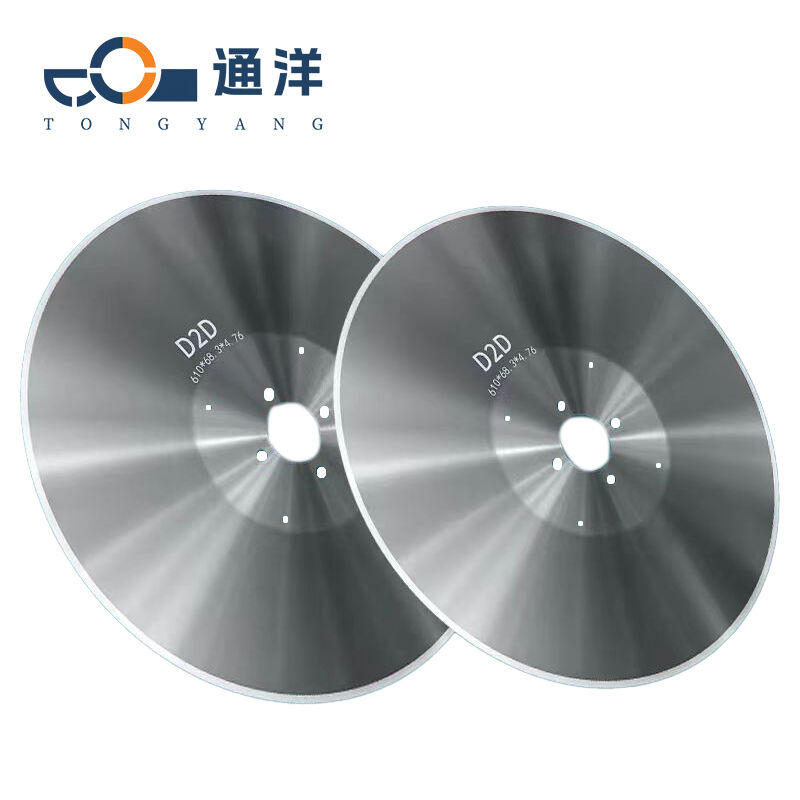
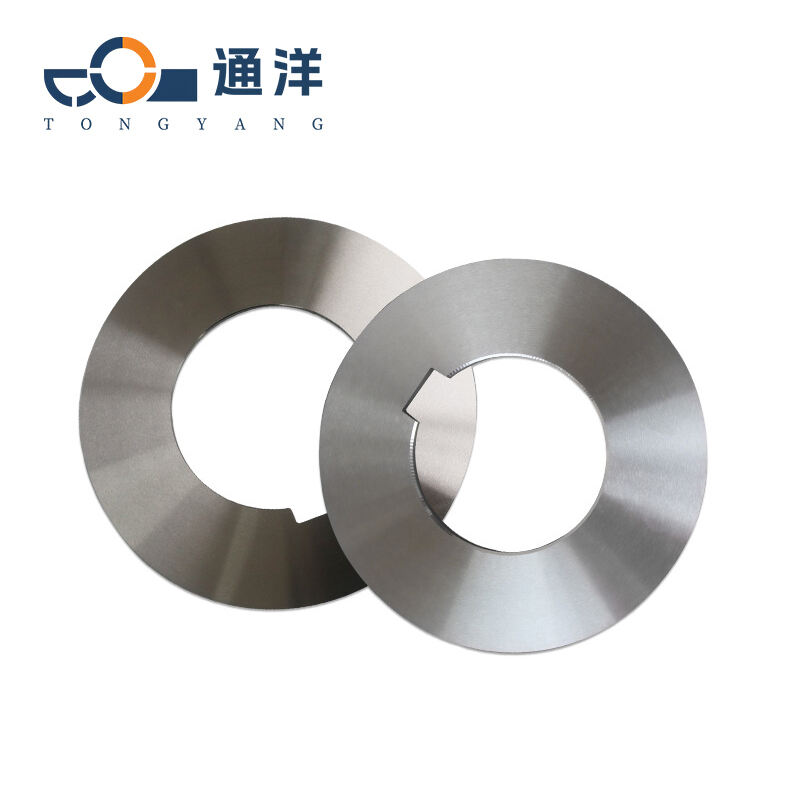
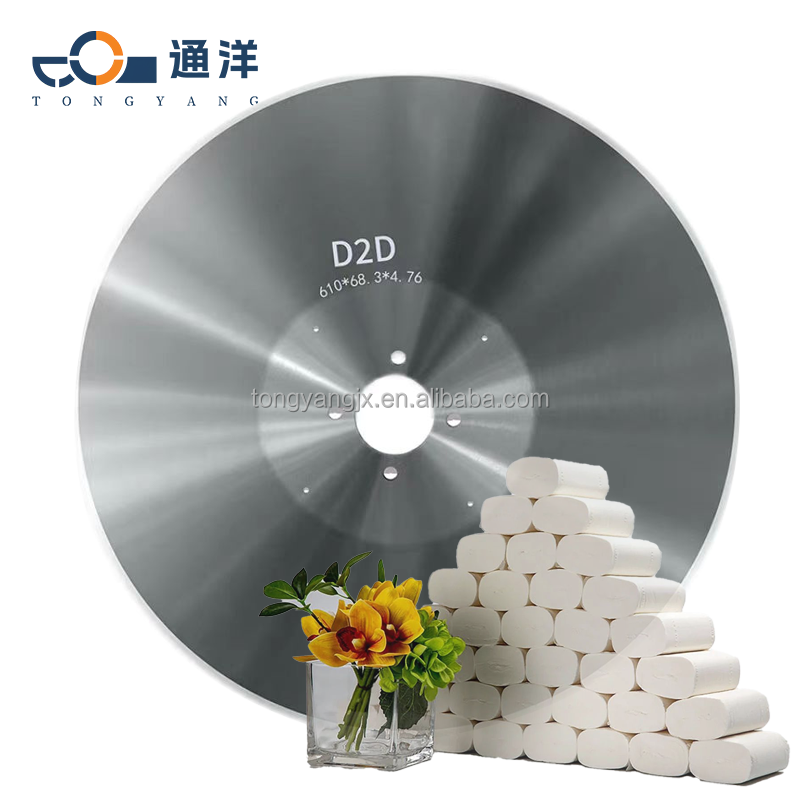
Professional Grade Wood Cutting Blade: Precision, Durability, and Versatility for Superior Woodworking Results

All Categories

Get a Free Quote

Our representative will contact you soon.
Email
WhatsApp
Name
Company Name
Message
0/1000

blade for wood cutting

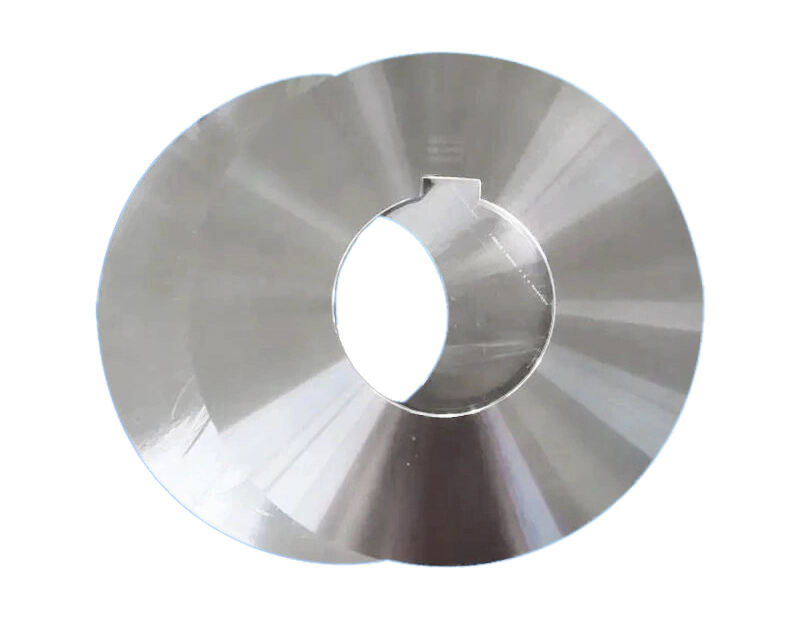
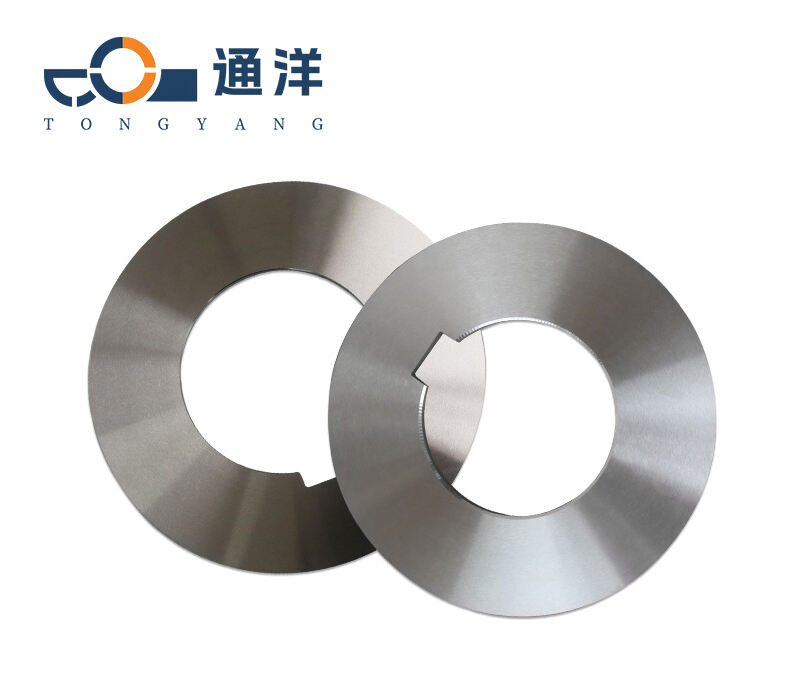
A blade for wood cutting represents a fundamental tool in woodworking, engineered specifically to deliver precise, clean cuts across various wood types and applications. These specialized blades feature carefully designed teeth configurations, typically ranging from 24 to 80 teeth per blade, each optimized for specific cutting requirements. The blade's construction incorporates high-grade carbide tips bonded to a precision-ground steel plate, ensuring exceptional durability and cutting performance. Modern wood cutting blades implement advanced tooth geometries, including alternate top bevel (ATB) and flat top (FT) designs, enabling smooth, splinter-free cuts while minimizing kickback risks. The blade's expansion slots help regulate heat distribution during operation, preventing warping and maintaining cutting accuracy. Most professional-grade blades feature anti-vibration technology through laser-cut stabilizing slots, ensuring steady performance even during extended use. The cutting depth typically ranges from 1 to 12 inches, accommodating various project requirements from fine cabinetry to heavy timber processing. These blades are compatible with multiple power tools, including table saws, circular saws, and miter saws, offering versatility across different woodworking applications.

New Product Releases

Wood cutting blades offer numerous practical advantages that make them indispensable for both professional woodworkers and DIY enthusiasts. The precision-engineered tooth design ensures clean, accurate cuts while significantly reducing splintering and tear-out, resulting in professional-grade finished products. These blades excel in versatility, capable of handling everything from rough framing cuts to delicate finish work on both hardwoods and softwoods. The durability of modern wood cutting blades, enhanced by carbide-tipped teeth, translates to extended service life and consistent cutting quality over time. Users benefit from reduced maintenance requirements and lower replacement frequency compared to standard steel blades. The blade's balanced design minimizes vibration, reducing operator fatigue and improving workplace safety. Advanced cooling features prevent overheating during continuous use, maintaining cutting efficiency and extending blade life. The reduced kerf width of modern blades results in less material waste, making them more economical for large-scale projects. Their compatibility with various power tools provides flexibility in application methods, while the anti-kickback design features enhance operational safety. The blades' ability to maintain sharpness over extended periods reduces downtime and increases productivity. Additionally, the precision of these blades results in fewer rejected pieces and reduced material waste, contributing to cost savings in both professional and hobby applications.

Latest News

Does scheduled upkeep stop round-blade failures

20

Aug

Does scheduled upkeep stop round-blade failures

Does Scheduled Upkeep Stop Round-Blade Failures? Round-blades are critical tools in industries ranging from food packaging and woodworking to metal fabrication and film slitting. A sudden round-blade failure—whether it’s a broken edge, ex...
View More
How can I tell if my circular blade is dull or damaged?

20

Aug

How can I tell if my circular blade is dull or damaged?

How Can I Tell if My Circular Blade Is Dull or Damaged? A circular blade is a key tool in many projects, from woodworking and metal fabrication to packaging and DIY home repairs. A sharp, undamaged circular blade makes clean cuts efficiently, while a...
View More
How do I know the circular blade is suitable for my cutting machine?

26

Feb

How do I know the circular blade is suitable for my cutting machine?

How do I know the circular blade is suitable for my cutting machine? Choosing a circular blade that works with your cutting machine is essential for safe, efficient, and high-quality cuts. A mismatched blade can damage the machine, produce poor resul...
View More
Corrugated Cardboard Cutting Blade: Types and Applications

31

Oct

Corrugated Cardboard Cutting Blade: Types and Applications

The Essential Guide to Industrial Cardboard Processing The corrugated cardboard cutting blade stands as a cornerstone tool in modern packaging and manufacturing industries. These precision-engineered components enable efficient processing of cardboar...
View More

Get a Free Quote

Our representative will contact you soon.
Email
WhatsApp
Name
Company Name
Message
0/1000

blade for wood cutting

Superior Cutting Precision and Efficiency

Superior Cutting Precision and Efficiency

The blade's cutting precision stems from its advanced tooth geometry and premium materials. Each tooth is precision-ground and carefully aligned to maintain consistent cutting performance throughout the blade's lifecycle. The carbide-tipped teeth, manufactured to strict tolerances, ensure clean cuts with minimal splintering or tear-out. This precision engineering translates to reduced waste, fewer rejected pieces, and improved overall project quality. The blade's efficiency is further enhanced by its optimized tooth count and gullet design, allowing for efficient chip evacuation and sustained cutting performance even in demanding applications.
Durability and Long-term Value

Durability and Long-term Value

The exceptional durability of modern wood cutting blades comes from their robust construction and quality materials. The high-grade carbide tips are brazed to the blade body using advanced techniques, ensuring they remain firmly attached even under heavy use. The blade's core is manufactured from premium steel, heat-treated for optimal hardness and wear resistance. Anti-vibration features, including laser-cut stabilizing slots and copper plugs, extend the blade's service life by reducing stress on critical components. This durability translates to significant cost savings over time, as the blade maintains its cutting performance longer than conventional alternatives.
Versatility and Application Range

Versatility and Application Range

The versatility of these wood cutting blades is demonstrated through their ability to handle various cutting applications effectively. The blade design accommodates different wood types, from soft pine to dense hardwoods, maintaining consistent cut quality across materials. The versatile tooth configuration allows for both rip cuts and cross cuts without requiring blade changes, improving workflow efficiency. The blade's compatibility with multiple power tools expands its utility across different woodworking applications, from precise joinery to rough construction work. This adaptability makes it an invaluable tool for workshops handling diverse project requirements.

Get a Free Quote

Our representative will contact you soon.
Email
WhatsApp
Name
Company Name
Message
0/1000
Newsletter
Please Leave A Message With Us